

Behind the Scenes of "Light" Labels
In the hope of staying in shape, many people readily turn to products labeled “sugar-free.” This reassuring label, ubiquitous on store shelves, immediately catches the eye of consumers concerned about their figure.
The Complicated Path of Polyols Through the Body

When the Lack of Calories Leads to Overconsumption
The famous “sugar-free” label invariably creates an unconscious psychological trap in the buyer’s mind. Since the product seems inherently light, our vigilance naturally wanes when it’s time to sit down to eat.
We then much more readily allow ourselves to eat larger portions, thinking we’re limiting the caloric damage. However, these foods often contain saturated fats added by manufacturers to maintain a texture that’s pleasing to the palate.
The Persistent Deception of Artificial Sweeteners on the Brain

Substances known as “fake sugars” have the ability to stimulate the same taste receptors on our tongue as sugar itself. By meticulously maintaining this taste habit, they prevent us from truly weaning ourselves off the sweet taste.
The Need to Return to Natural Foods
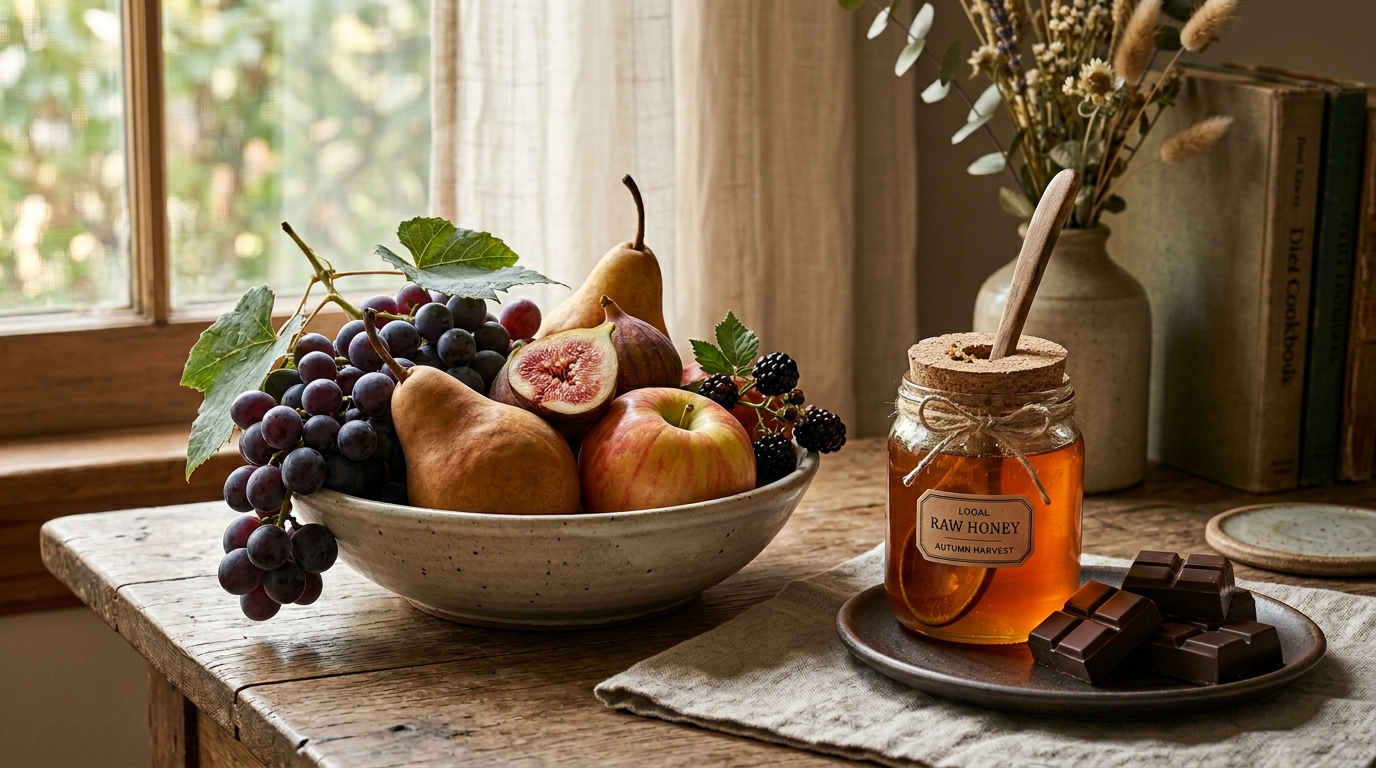
There are other alternatives available to satisfy these cravings without disrupting your body’s balance. A square of 85% dark chocolate or a spoonful of high-quality honey are perfect choices, as these options provide fiber and antioxidants that your body can easily absorb.
Sweet treats are, in fact, an integral part of a balanced diet and can be enjoyed occasionally and in moderation. In summary, “sugar-free” products aren’t better for your health, as they maintain addiction, irritate the gut, and encourage you to eat more. Choosing simple, natural foods remains the best way to manage your weight—which is the secret to regaining long-lasting digestive comfort.
Source: passeportsante.net
Are "Sugar-Free" Products Really Your Friends? The Disturbing Truth Behind the Label
This content was created with the help of AI.


