

Introduction

Do you feel like your digestion goes on strike as soon as the temperatures drop? Rest assured, it’s not all in your head. Winter constipation is a very real phenomenon. But contrary to popular belief, it’s not the cold itself that slows things down—it’s our behavior.
“We see more constipation during the winter months because we’re often less active, we drink less water, we eat fewer fresh foods, and we travel more for the holidays,” explains Cari Riker, a dietitian. In short: the weather isn’t the problem—it’s what we do—or stop doing—during this time of year. So, how can we get things moving again?
Your plate and your glass: winter’s two pitfalls
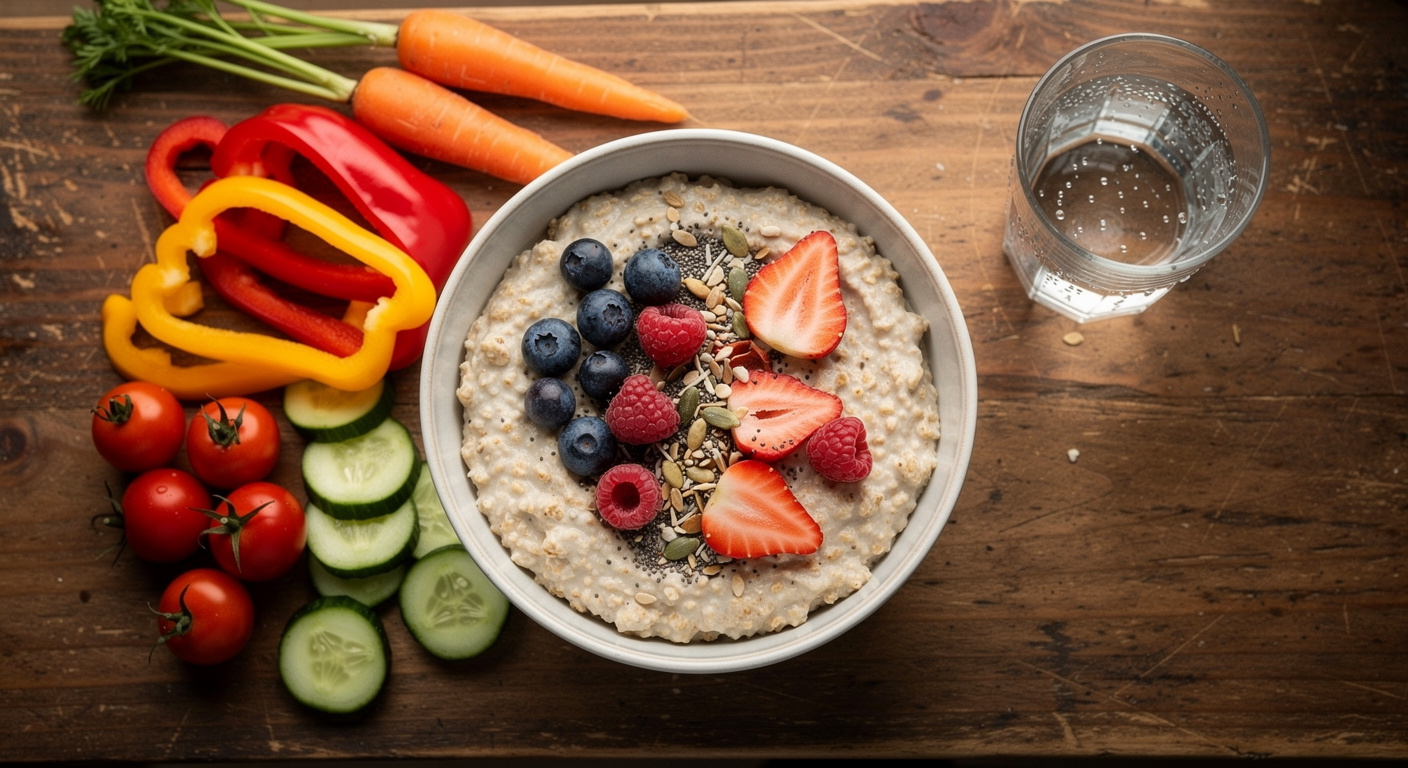
The first culprit? Water. Proper hydration is essential for maintaining regularity, but in winter, we simply forget to drink. “Cold weather can dull the sensation of thirst, making it easy to become dehydrated without realizing it,” warns Kelsey Russell-Murray, a registered dietitian. The result is inevitable: if you’re lacking water, your colon will draw it directly from your stool. Cari Riker explains that this makes stools “drier and harder to pass.” The trick? Go for something warm. Tea, broth, or simply hot water with lemon and mint.
When it comes to what’s on your plate, it’s the same struggle. We tend to skip fruits and vegetables in favor of heavy, comfort foods. Kirsten Jackson, a specialist in irritable bowel syndrome, notes that we end up consuming less fiber as a result. Yet fiber is crucial. Kelsey Russell-Murray points out that we need two types: soluble fiber to soften stools, and insoluble fiber to add bulk and facilitate bowel movements.
Less physical activity and poor sleep: the body in slow motion

When the temperature drops, we tend to hibernate. Fewer outings mean less physical activity, and therefore a sluggish digestive system. “Exercise stimulates peristalsis—the wave-like movement that moves stool through our intestines,” explains Cari Riker. But you don’t have to run a marathon to do so. According to Kelsey Russell-Murray, even a post-meal walk is enough.
Kirsten Jackson advises her clients to walk for at least 30 minutes every day. “Especially at this time of year, getting some sunlight in the middle of the day helps optimize your internal clock,” she adds. If you’re lacking motivation, why not plan this walk with a friend?
Your schedule also plays a role. End-of-year travel or changes in sleep patterns can disrupt the digestive system. Samina Qureshi, a dietitian specializing in gastroenterology, emphasizes that ignoring the urge to use the restroom can worsen constipation in the long run. Try to go at the same time every day, ideally after a hot drink or a meal. Finally, don’t neglect sleep: aim for 7 to 9 hours a night and stick to a regular wake-up time so you don’t put your body through a “mini jet lag.”
The Toolkit for Relieving Constipation
If you’re still having trouble, experts have a few practical strategies. First, diet: Cari Riker suggests including whole grains, beans, or lentils, aiming for a high-fiber food at every meal.
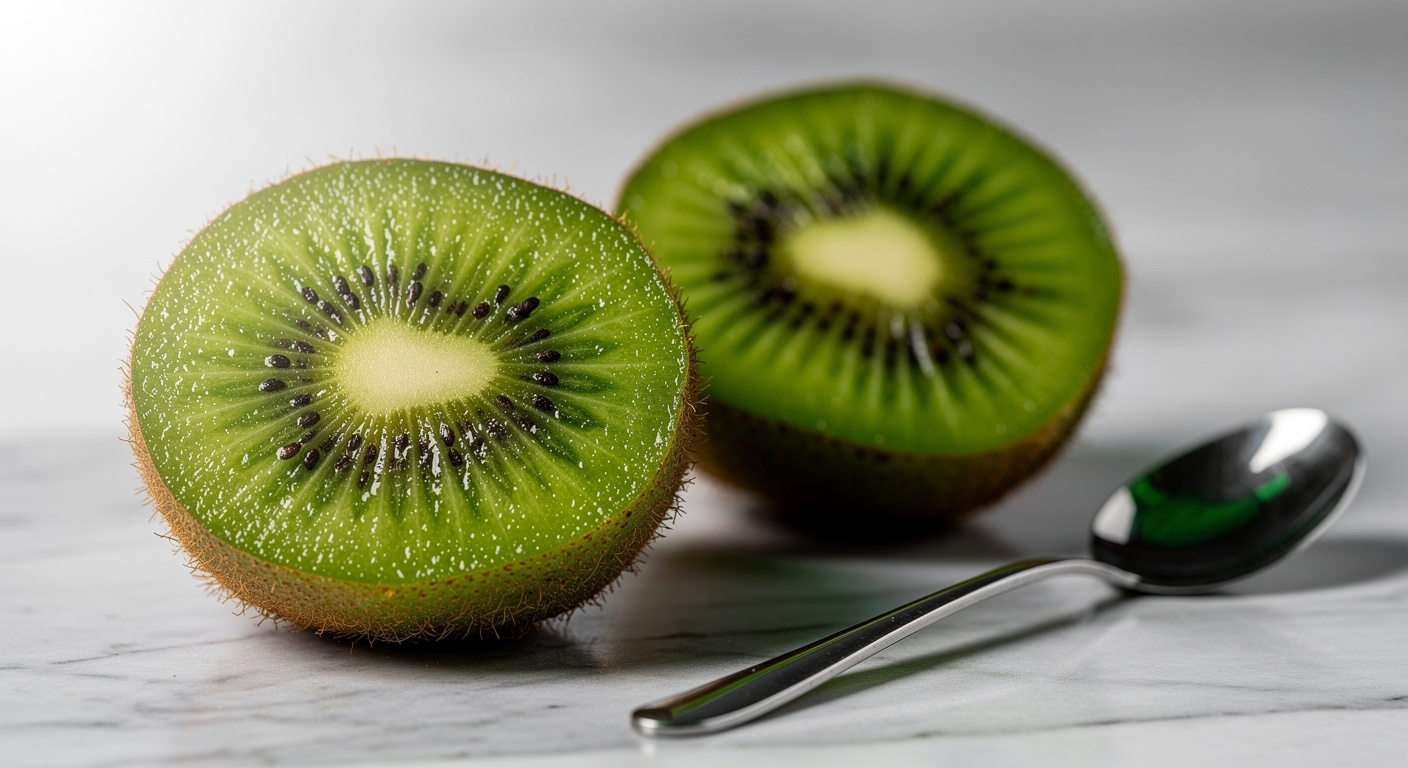
Have you heard of the step stool trick? Samina Qureshi recommends using a small stool under your feet while on the toilet to elevate your legs. This improves rectal positioning and makes it easier to have a bowel movement. Another expert tip: kiwis. “Research shows that eating two kiwis a day can significantly improve constipation,” says Qureshi. This fruit draws water into the colon, softening stools without the side effects of laxatives.
Finally, don’t skip meals. Your digestive system needs regularity. If nothing works, don’t hesitate to seek medical advice. A pelvic floor rehabilitation evaluation can be very helpful, especially if you feel the urge but can’t pass stool.
Final Thoughts

Once you’ve made these changes a habit, add another one, such as exercise or better sleep habits. Over time, these actions will become second nature, and your digestion will stay in top shape, no matter the season.
Source: eatingwell.com
Created by humans, assisted by AI.
Are you constipated this winter? Here’s why
This content was created with the help of AI.


