Skip to content

The Mystery of Volcanic Waters

The depths of lakes sometimes conceal artifacts frozen in time, patiently waiting to be unearthed by researchers. This is precisely the case in the waters of the volcanic Lake Bolsena in Italy, where a clay artifact had lain undisturbed for millennia. The object, which appears to have been abandoned before it was even completed by its Iron Age artisan, offers a direct glimpse into the craftsmanship of that distant era.

According to a report by journalist Tim Newcomb, researchers recovered this rudimentary artifact during an excavation campaign conducted in 2024 at the underwater archaeological site of Gran Carro di Bolsena, in the area known as Aiola. Far from being a finished masterpiece, this early sketch proves to be a treasure trove of information for understanding the way of life of the pre-Roman populations of the Italian Peninsula.

From Dry Land to the Depths of the Lake

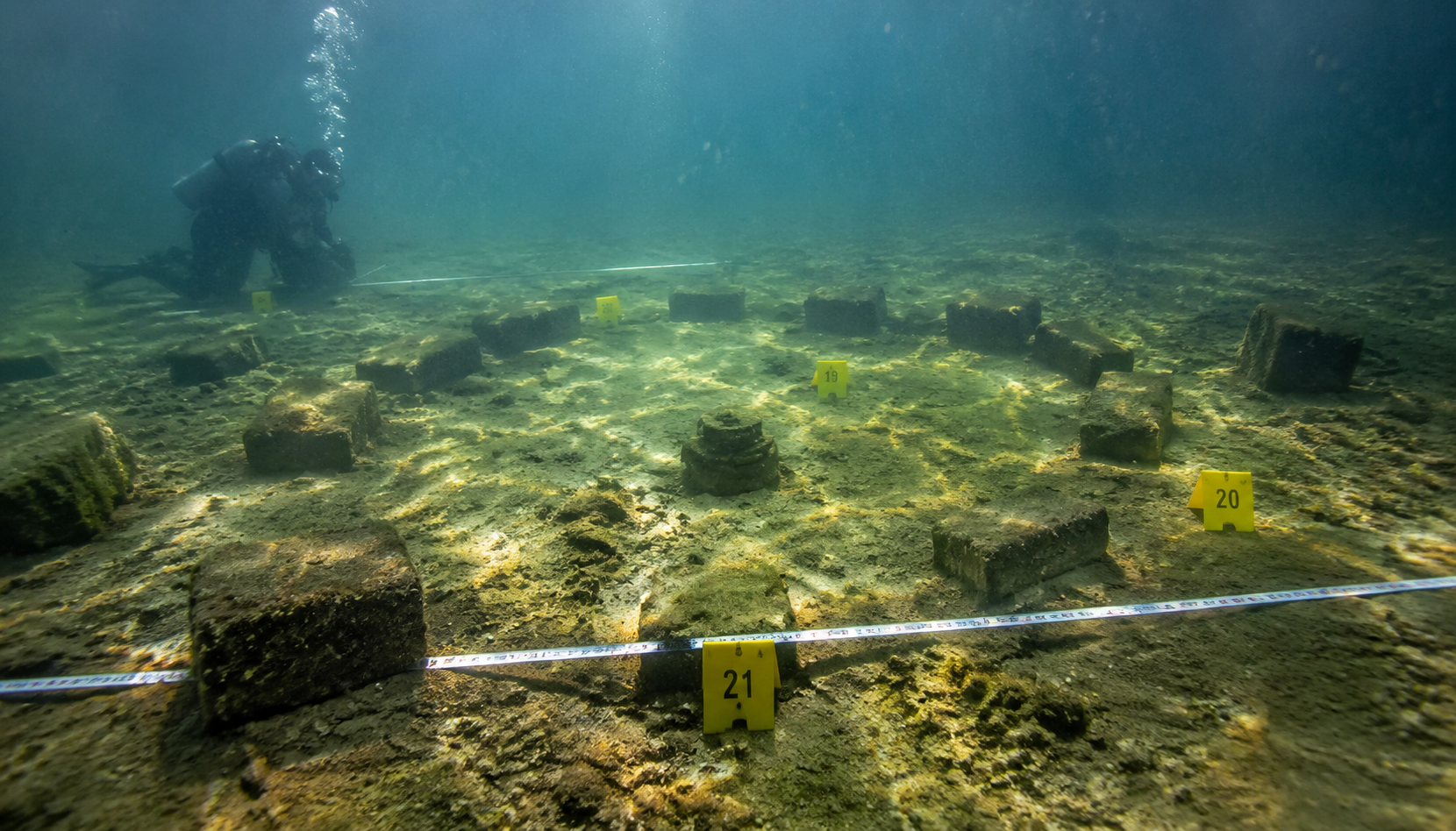
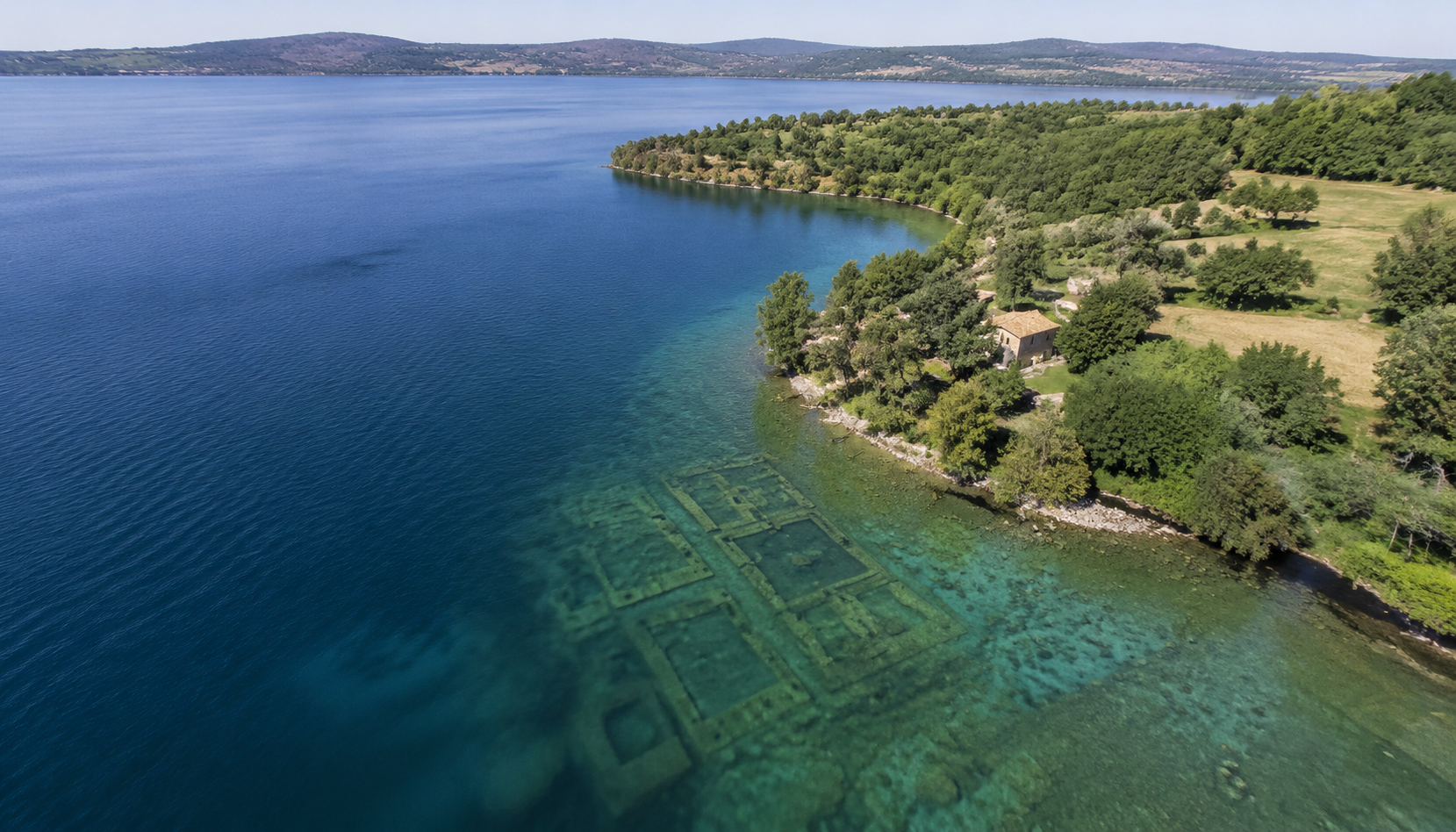
The geography of the Gran Carro di Bolsena region has a complex history, documented by several official descriptions and academic studies. The site originally extended across dry land. The gradual rise in the lake’s water level eventually submerged this environment, leaving the foundations—which date back to the Middle Bronze Age and contain important remains from the Early Iron Age—buried beneath the waters.

The archaeological complex is not limited to a single village perimeter but is organized around several distinct sectors. One of these corresponds to the area known as the “palafitta,” characterized by ancient dwellings on stilts. The site remained occupied well beyond prehistoric times, as evidenced by traces of Late Roman settlement. Excavations there have notably uncovered coins from the time of Constantine and various pottery shards.

An artifact bearing the mark of its creator

The recovery of the artifact required multidisciplinary technical expertise. The Underwater Archaeology Service led the discovery, while Italian specialists in the restoration of cultural heritage collaborated with government divers to preserve and recover the find. Dating places this unfinished female figure between the 10th and 9th centuries BCE.

Measuring the size of a palm, this creation stands out for a striking feature. According to a translated statement from the Superintendence of Archaeology, Fine Arts, and Landscape—an agency under the Italian Ministry of Cultural Heritage—the statuette “still bears the marks of the creator’s fingerprints.” A fabric imprint located beneath the figure’s chest also indicates that the figurine likely wore clothing originally.

Religious Practices and Daily Life

Cultural heritage experts generally associate this type of representation with objects found in funerary contexts. However, the statuette was unearthed in an area identified as residential. This provenance raises several hypotheses: it could be an item related to domestic rituals, a votive offering, or simply a failed prototype discarded by its maker.

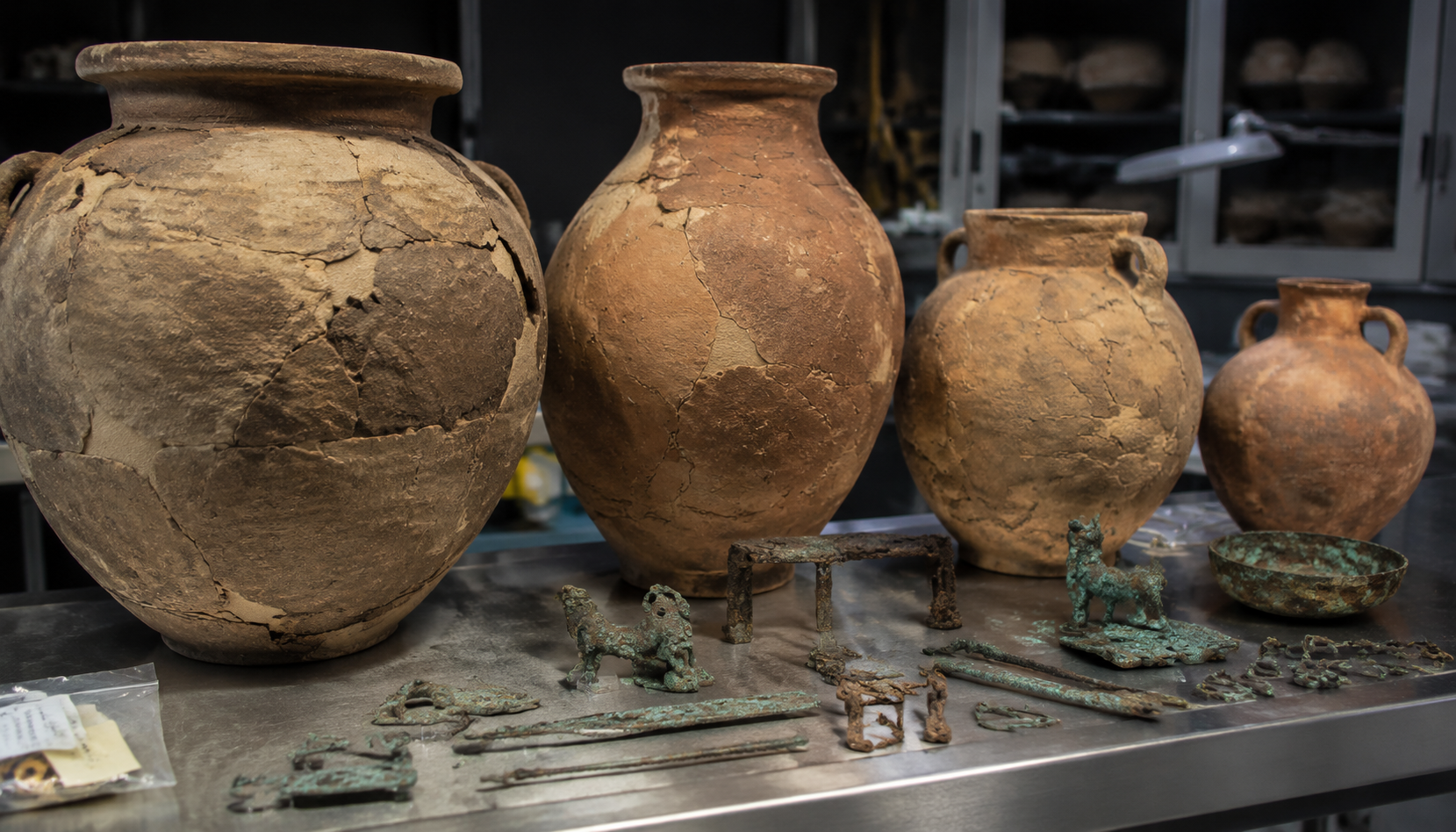
The surrounding context, however, sheds additional light on the matter. At Aiola, the monumental stone tumulus is now described in official documents as a ritual site. Researchers have identified evidence of ritual fires, food offerings placed in large ceramic vessels, and prestigious metal objects left among the stones. These findings paint a picture of a neighborhood where dwellings, wooden structures, and religious practices coexisted over a long period of time.

An Immersive Experience Open to the Public

Beyond this single discovery, authorities aim to transform the entire site. By January 2026, documents from the Soprintendenza plan to present Gran Carro as a submerged archaeological park. The project emphasizes the in situ conservation of the remains, while opening access to the public via marked snorkeling and surface trails.

Facilities will include tours in glass-bottom boats, nighttime lighting, and a route specifically adapted for visually impaired visitors. The municipality, which is already promoting the Gran Carro Underwater Archaeological Trail, plans to create a resin scale model, three-dimensional photogrammetric scans, and a virtual tour. The Aiola region still has a rich history to reveal, and this poorly crafted clay figurine literally bears the marks of this ongoing excavation work.

Source: popularmechanics.com

Divers discover a 3,000-year-old statue at the bottom of a lake… bearing recent human fingerprints

facebook icon twitter icon linkedin icon
Copied!

Commentaires

0 0 votes
Article Rating
Subscribe
Notify of
guest
0 Comments
Newest
Oldest Most Voted
Inline Feedbacks
View all comments
More Content