

Growing Concerns About What We Eat
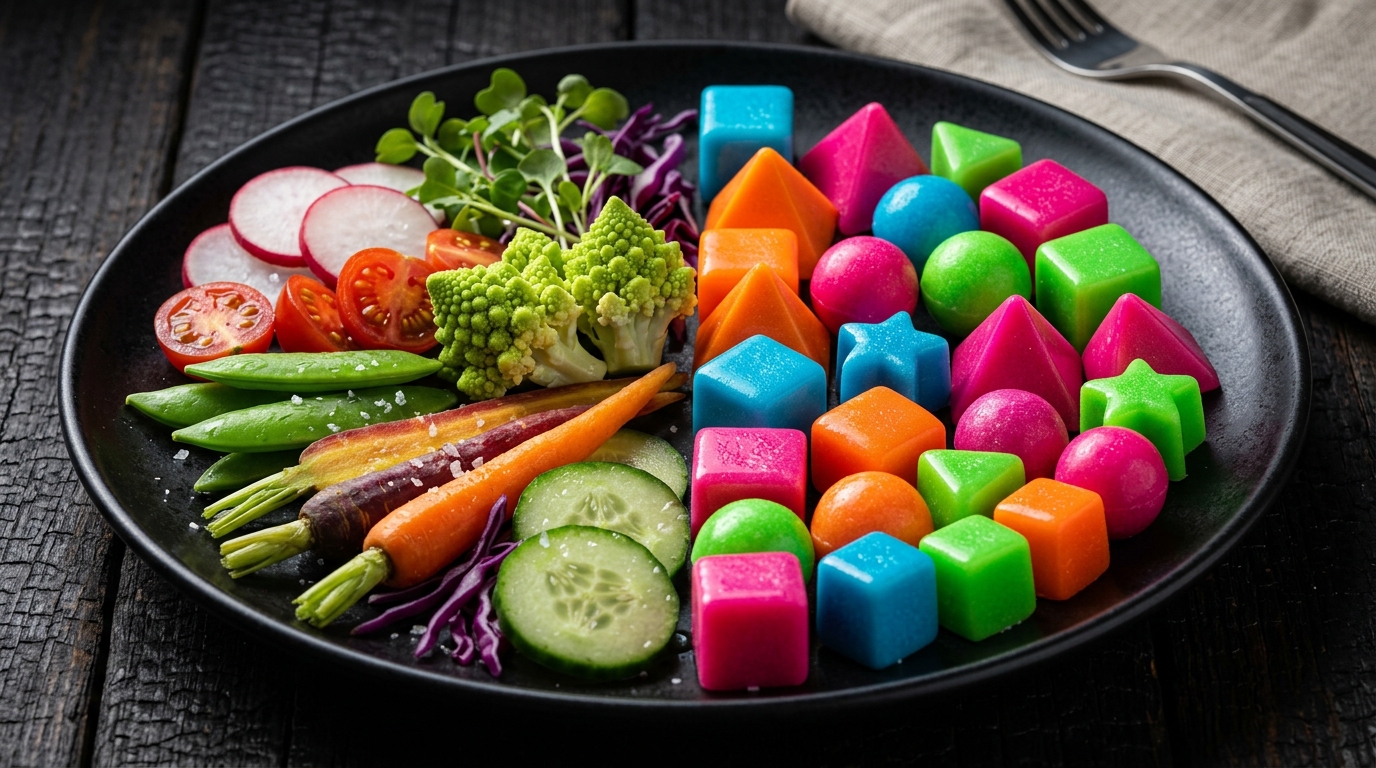
Faced with this growing concern in the medical community, consumers are naturally turning to organic foods, often seen as the ideal bulwark against the excesses of the agri-food industry. A recent collective op-ed, published in the newspaper La Tribune, has reignited the debate surrounding this alternative. The signatories take a nuanced stance, asserting that organic food “doesn’t protect against everything, but it protects against what matters most.”
The Burden of Ultra-Processed Foods on the Healthcare System
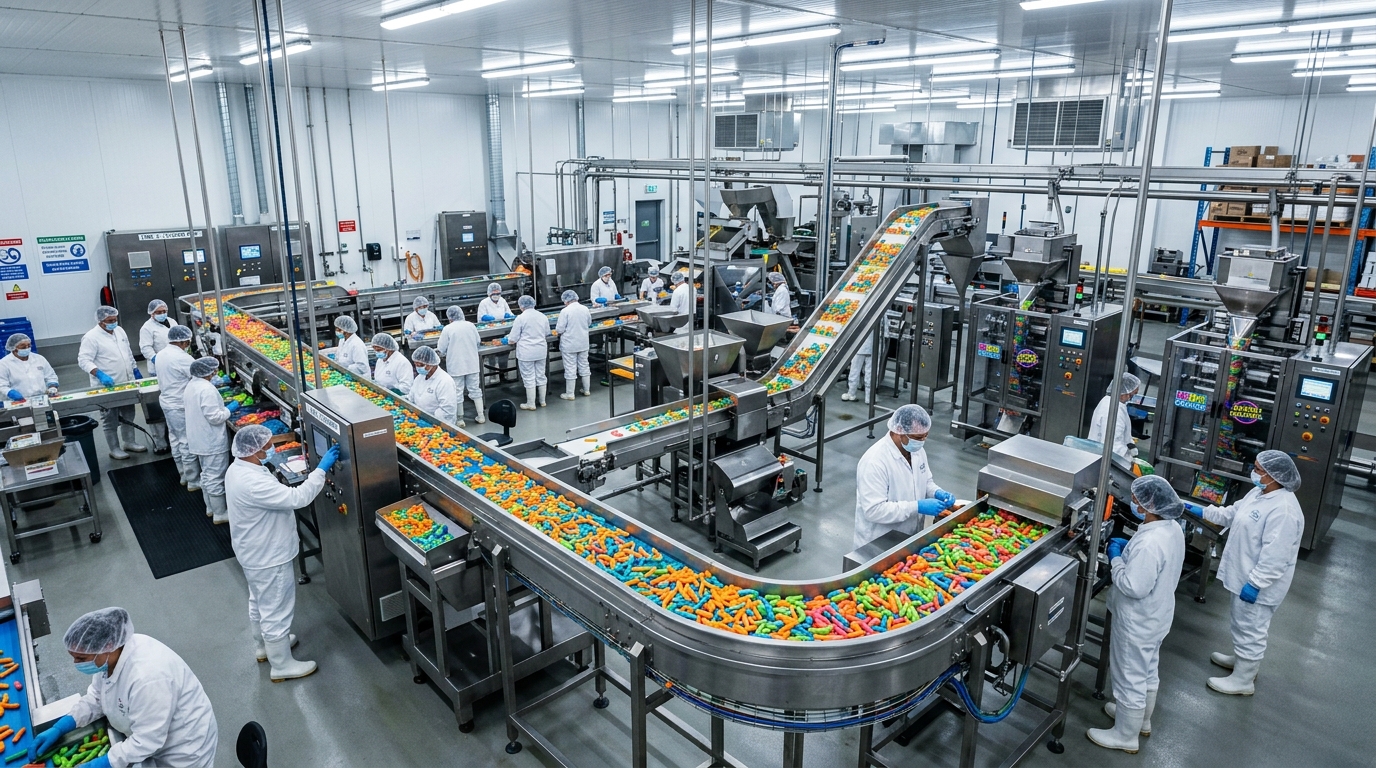
The real problem arises when industrial processes come into play, leading to the widespread addition of substances such as additives, artificial flavors, texturizers, and certain chemical solvents. The authors of the op-ed emphasize that it is precisely this ultra-processing that is currently alarming researchers and the country’s health authorities.
The barriers created by organic certification standards

Organic farming is distinguished by a rigorous regulatory framework that seeks to counter this trend. The op-ed’s signatories point out that this production method imposes rules that are considerably stricter than those governing conventional food production.
At the same time, the regulations governing this label allow for a much smaller quantity of additives and processing aids during the manufacture of processed products. The stated goal of this sector remains clear: to preserve the intrinsic naturalness of food as much as possible. The authors of the appeal summarize their position firmly: “Organic farming doesn’t protect against everything, but one thing is certain: it protects what matters most.”
Findings from the NutriNet-Santé cohort: an overall decline in cancer rates

To support their argument and move beyond mere speculation, the experts draw on data from the large French cohort known as NutriNet-Santé. This large-scale study, meticulously conducted among nearly 69,000 participants, provided a detailed look at dietary habits and their clinical implications.
The Specific Impact on the Development of Lymphomas
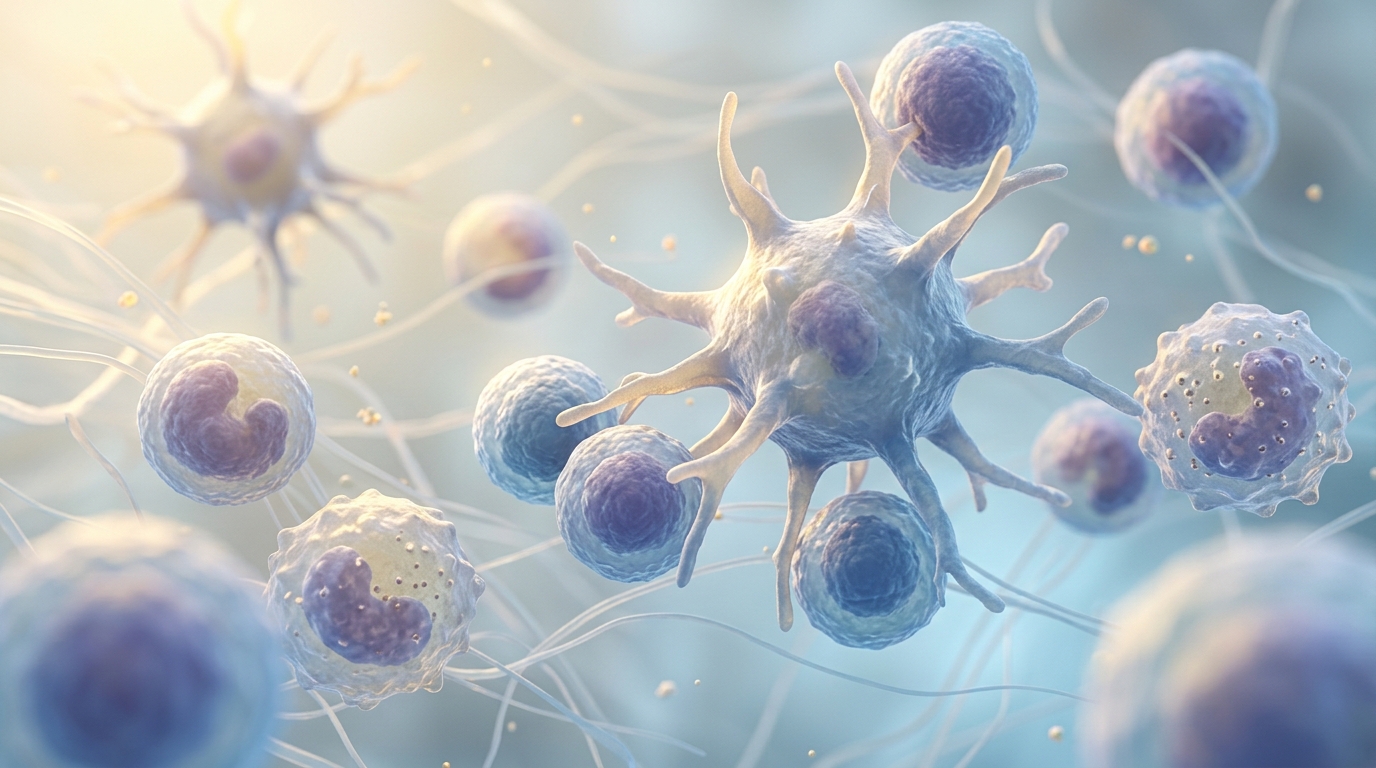
Beyond the significant decline in cancer incidence broadly speaking, a detailed analysis of the NutriNet-Santé cohort profiles has made it possible to identify more specific conditions. The findings thus point to benefits targeting certain parts of the immune system.
The second particularly striking finding of this epidemiological study shows a marked reduction in the incidence of certain lymphomas. This specific data refines researchers’ understanding of the potential links between the absence of specific chemical residues—guaranteed by the label—and the development of this precise type of tumor.
A Significant Reduction in the Risk of Obesity

Scientists estimate that the risk of obesity among study participants was reduced by precisely 31%. In practical terms, the mechanism makes sense: an individual who replaces industrially processed foods—often loaded with additives, flavor enhancers, and refined ingredients—with a higher proportion of raw or minimally processed organic products radically changes the quality of their daily diet.
This practical shift toward a diet less heavily processed by the food industry automatically limits the body’s overall exposure to a large number of compounds that are currently controversial in the medical community.
Barriers to widespread adoption: the issue of cost
A Geographic Divide in Access to Products

The Need for Perspective on Organic Processed Foods
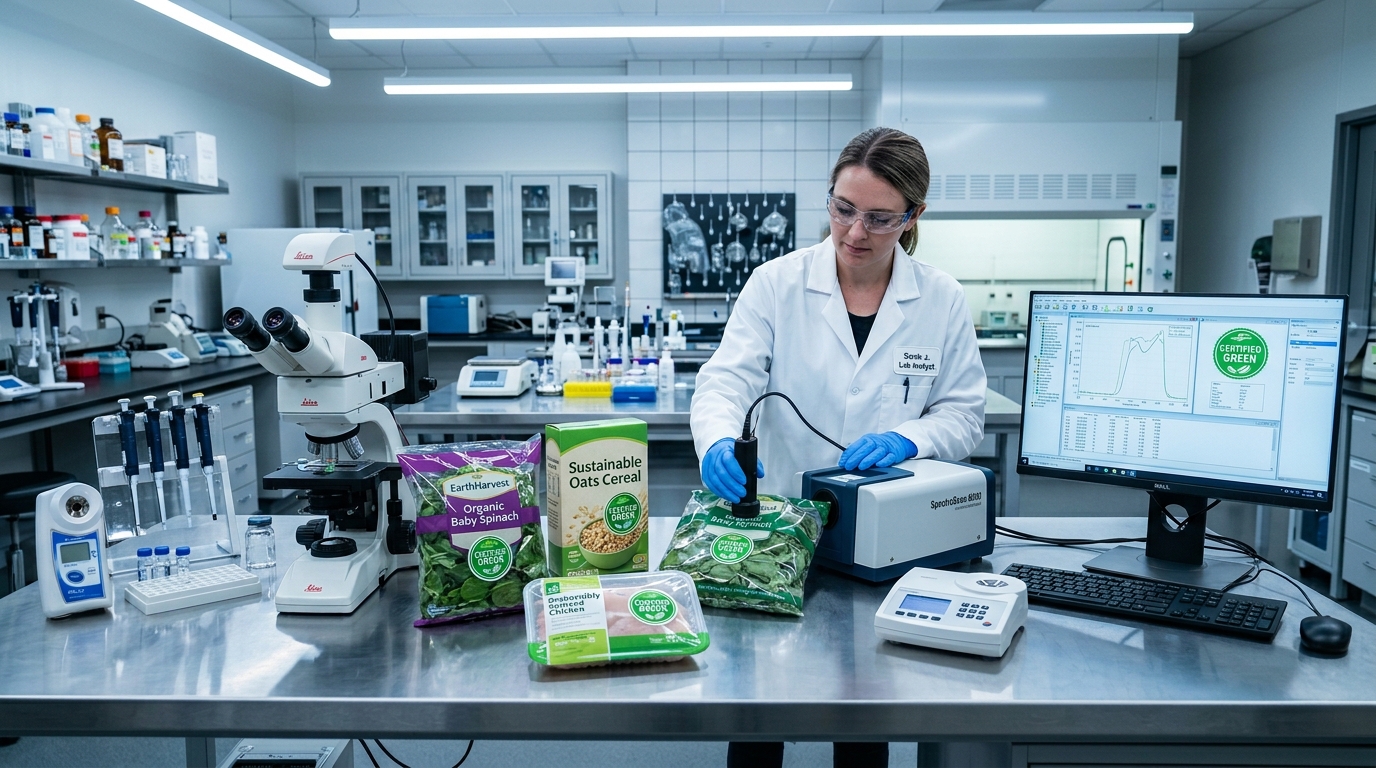
Experts readily acknowledge a clear lack of long-term data on certain processed products bearing the organic label. The long-term impact of industrial manufacturing processes—even when adapted to the specific requirements of this sector—needs to be documented with the same rigor as for conventional industry.
The Persistent Confusion Between the Label and Nutritional Value
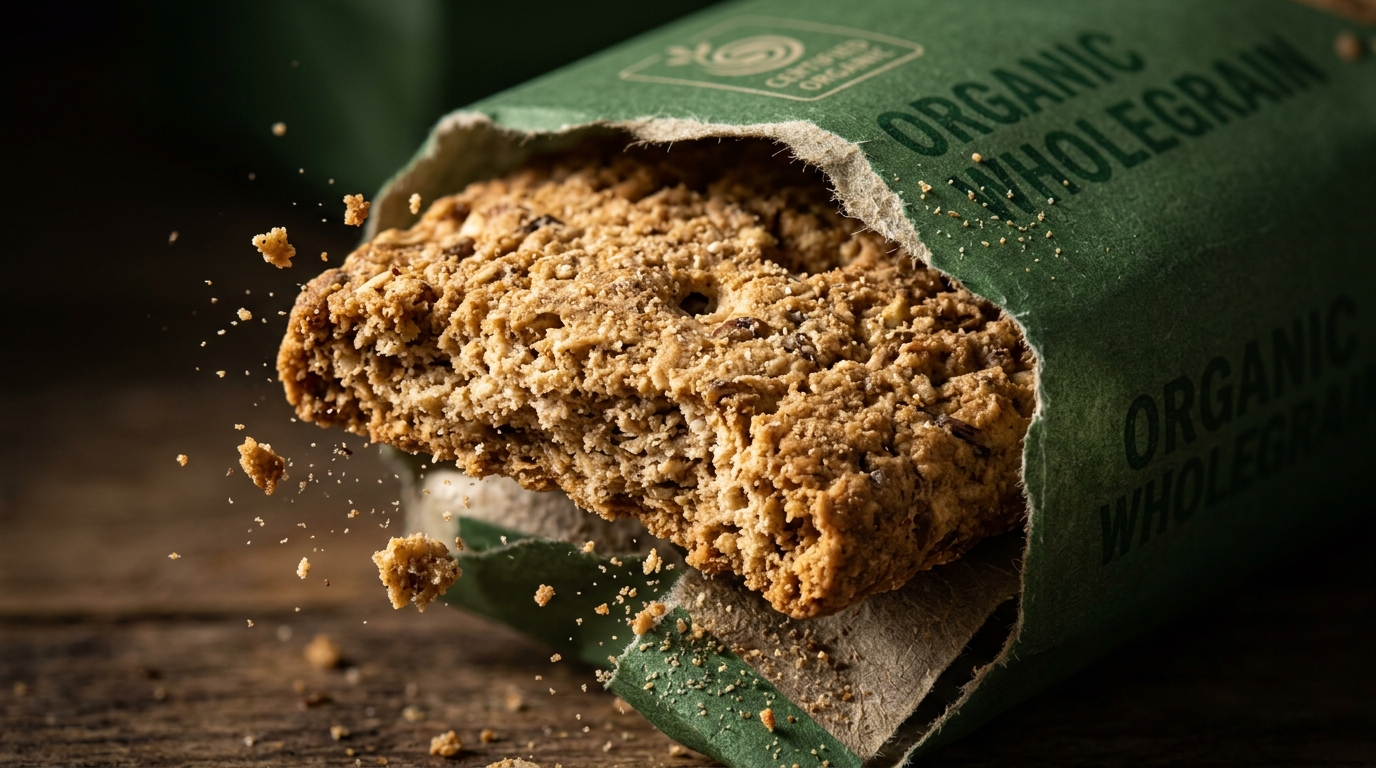
The fourth and final obstacle identified in this debate lies in consumers’ psychological perceptions. There is widespread confusion among consumers between a product labeled “organic” and a food that is inherently “good for your health.”
Defining "ultra-processed" food precisely
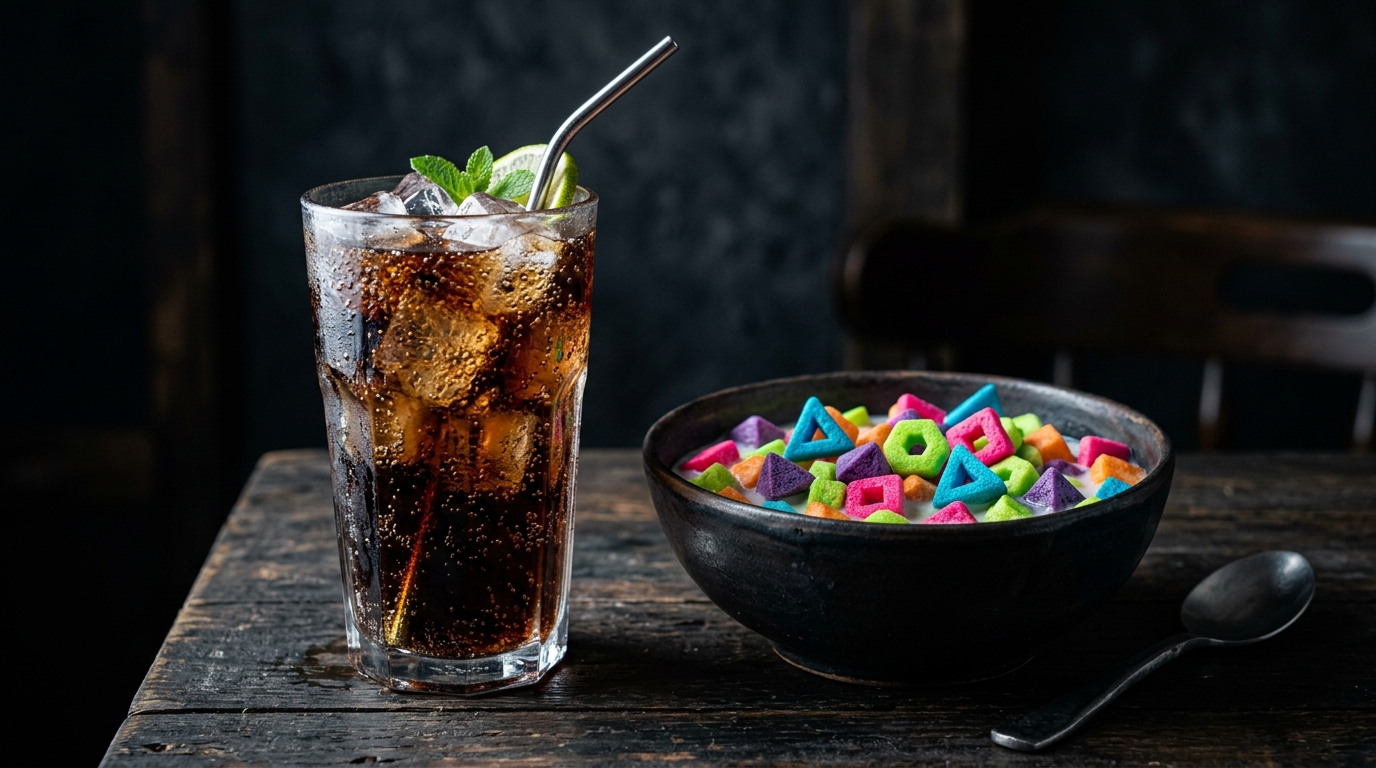
A full and complete understanding of this societal debate requires a precise definition of the subject of medical concerns. The question “What is an ultra-processed food?” is a recurring theme in public discourse.
Essentially, it is an industrial product that contains numerous additives, artificial flavors, sugars, and fats in its recipe and undergoes intensive manufacturing processes. These processes significantly alter the food’s texture and composition from its original form.
Assessing the Real Benefits of Certified Foods
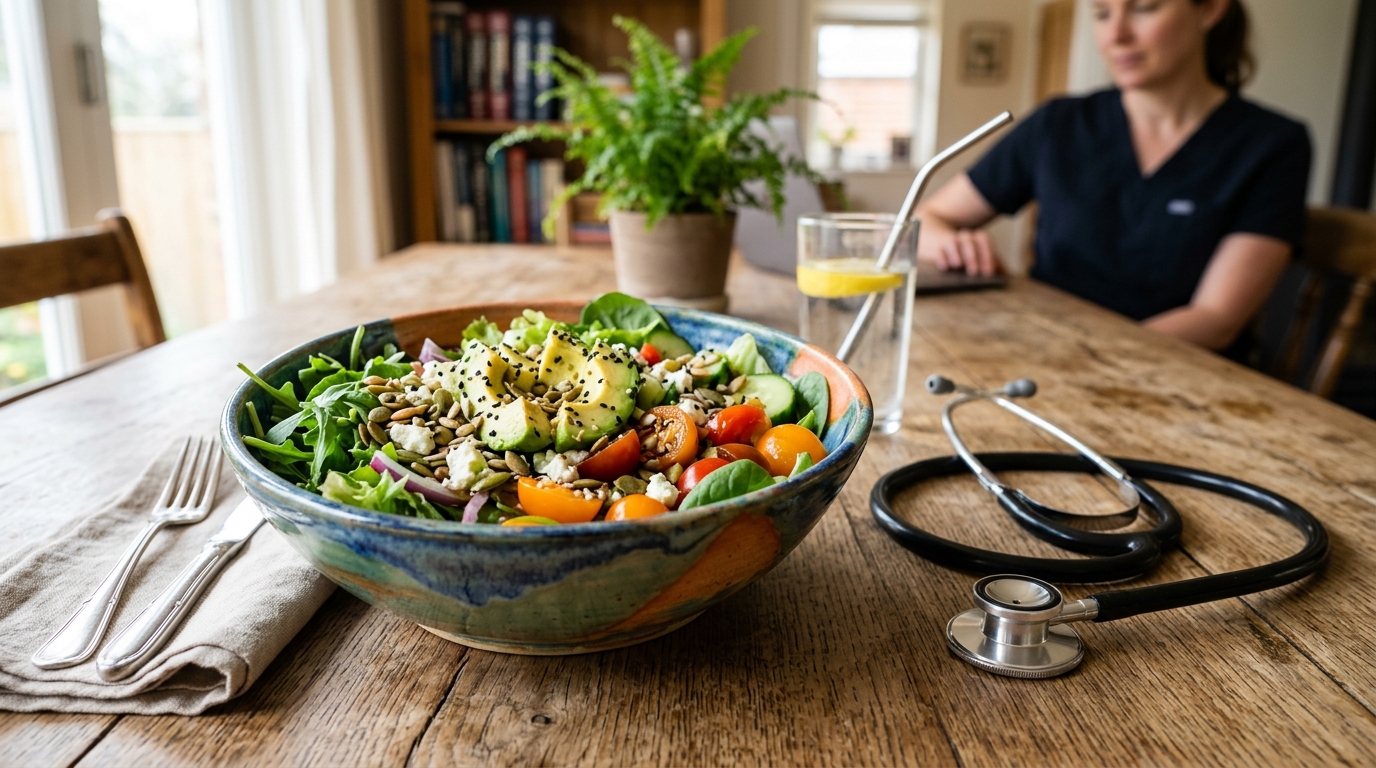
The question of whether this sector offers superior health benefits is another central theme, summed up by the question: “Are organic foods better for your health?” Consumers legitimately want to know whether their financial investment guarantees tangible health benefits in their daily lives.
The answer provided by scientific data is a measured one. Studies do indeed suggest that people who regularly consume organic products may have a lower risk of developing obesity or certain types of cancer, as illustrated by the NutriNet-Santé cohort.
The Presence of Ultra-Processed Foods on Specialty Store Shelves
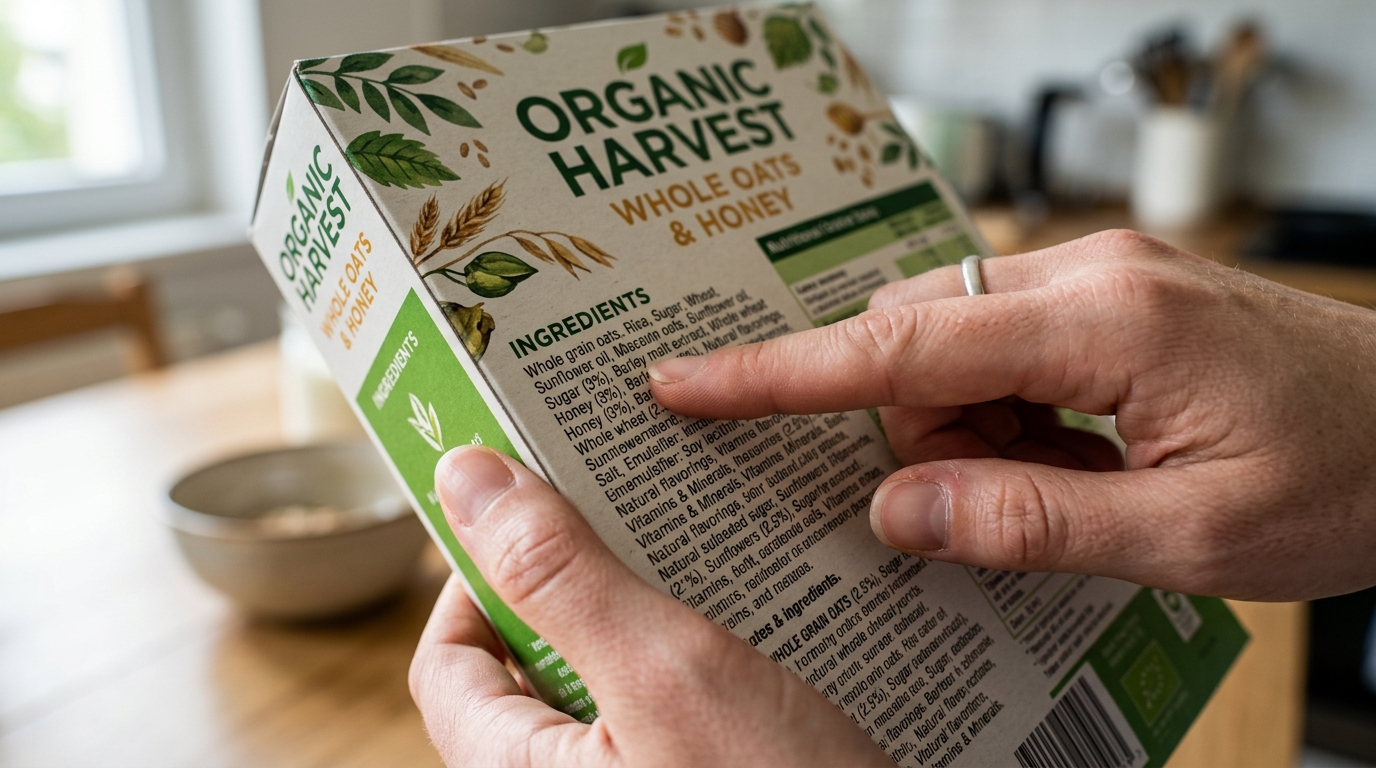
A persistent misconception often leads people to believe that strict organic standards prevent any drift toward industrial excesses. Shoppers frequently ask: “Can an organic product be ultra-processed?”
The True Pillars of Preventive Health

Achieving a truly balanced diet rests on several fundamentals. A generous daily intake of raw fruits and vegetables, maintaining regular physical activity, and consciously limiting the proportion of processed foods in one’s diet constitute the true pillars of modern preventive healthcare.
While research still needs to shed light on certain gray areas regarding specific food categories, one thing nevertheless seems to enjoy overwhelming and unanimous consensus among international researchers: drastically reducing the consumption of ultra-processed foods remains one of the most important and effective strategies for preserving one’s long-term health.
Source: passeportsante.net
Food and Health: Is Organic the Ultimate Shield Against Ultra-Processing?
This content was created with the help of AI.


