

A Resignation, Statistics, and How People Really Feel
The news broke on January 14. François Legault announced that he would step down as premier as soon as the CAQ finds a replacement for him. It’s the end of an era, as they say. But beyond the political announcement, what’s striking is the huge gap—the chasm, even—between what we’re told and what we experience in our daily lives.
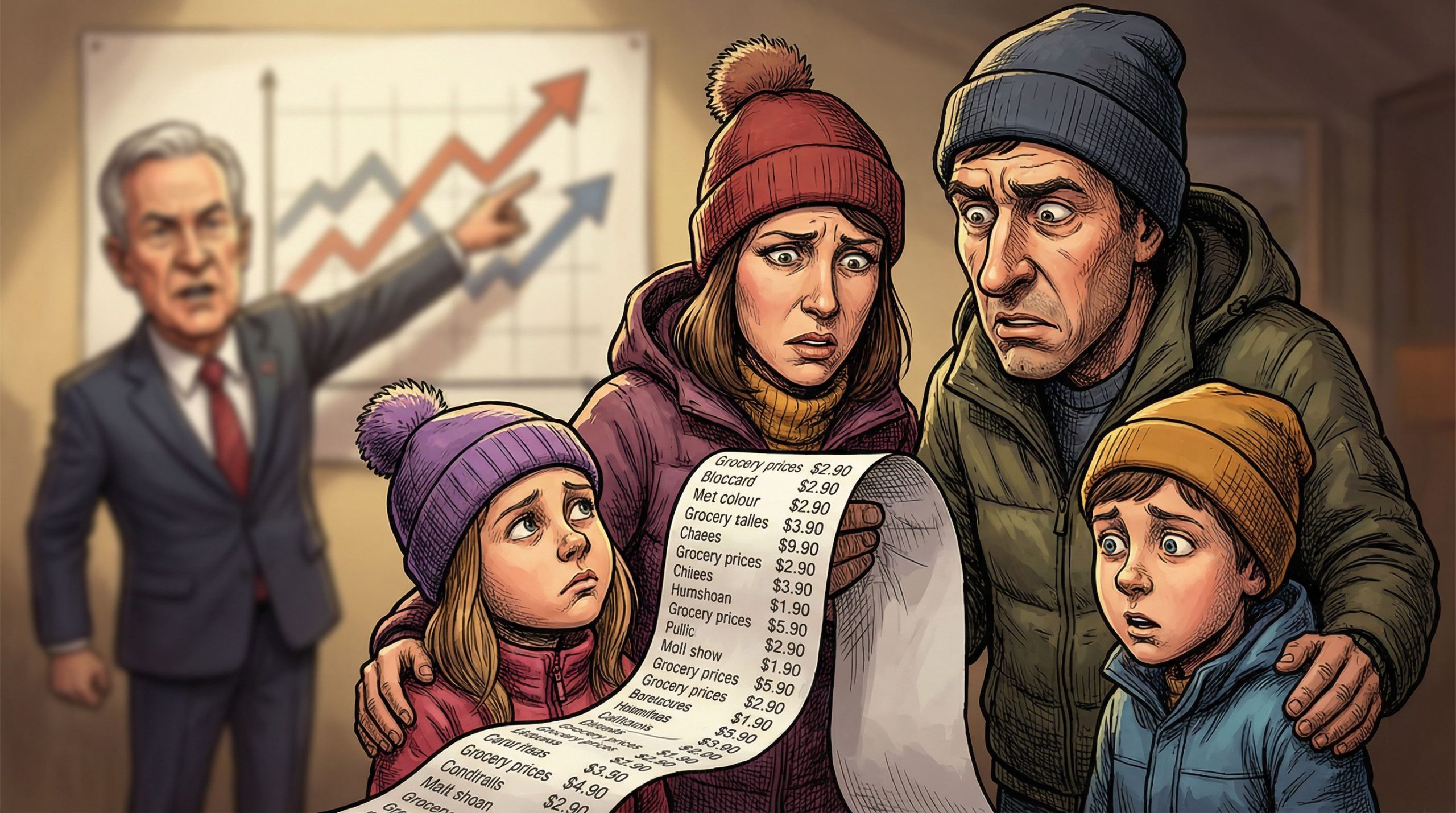
When he appeared on the show Zone économie in late November, it was clear that Mr. Legault, perhaps already with one foot out the door, wanted to polish his image. He wanted us to remember the story of a man who grew Quebec’s economy. He can claim loud and clear that disposable income has improved, but the truth is that most Quebecers don’t believe it for a second. Not when inflation hit us like a sledgehammer right after the pandemic.
Honestly, who feels richer today than they did in 2018? The failures are piling up a bit too much for us to swallow this pill without a peep: from the Northvolt saga to skyrocketing deficits, not to mention our schools and hospitals that are held together with duct tape… Let’s just say the overall picture is, at best, mixed.
The War of the Statistics: Averages vs. the Reality in the Fridge

Well, we have to be fair and give credit where credit is due. On paper, yes, the situation has improved. In the government document “Le pouvoir québécois” released in November—on page 6, to be precise—the premier highlights some impressive figures. Real GDP per capita? It rose by 3.2% in Quebec from 2018 to 2024. Meanwhile—brace yourselves—it fell by 2.2% elsewhere in the country. That’s no small feat.
And it doesn’t stop there. Average weekly earnings jumped by 29.7% here over the same period, compared to 24.9% in the rest of Canada. Even purchasing power is said to have risen by 10.3% here, compared to a meager 4.3% in the other provinces. So why don’t we feel it? That’s the whole problem with averages. They smooth everything out; they obscure individual cases. Averages say absolutely nothing about the struggle of grocery shopping or paying rent today.
In fact, François Legault himself finally admitted it in his resignation speech: people aren’t feeling this improvement. His obsession with catching up to Ontario? It never really moved the masses. The gap has narrowed, it’s true, but I don’t know anyone who takes particular pride in that while buttering their toast in the morning. What people see are the structural problems that remain fully intact: low productivity, a lack of automation, and above all, a frightening demographic trend.
Let’s talk about demographics. There are now more deaths than births in Quebec. That’s a fact. According to the Institut de la statistique du Québec, between 2024 and 2051, the number of people aged 65 and older will skyrocket by 26%, while the population aged 20–64—those who work—will decline by 4%. When I raised this threat of economic decline with him, Mr. Legault chose to steer the conversation back to the decline of French in Montreal. That is certainly a concern, but ignoring the demographic void looming over us is playing with fire.
Energy Projects and Industrial Missteps
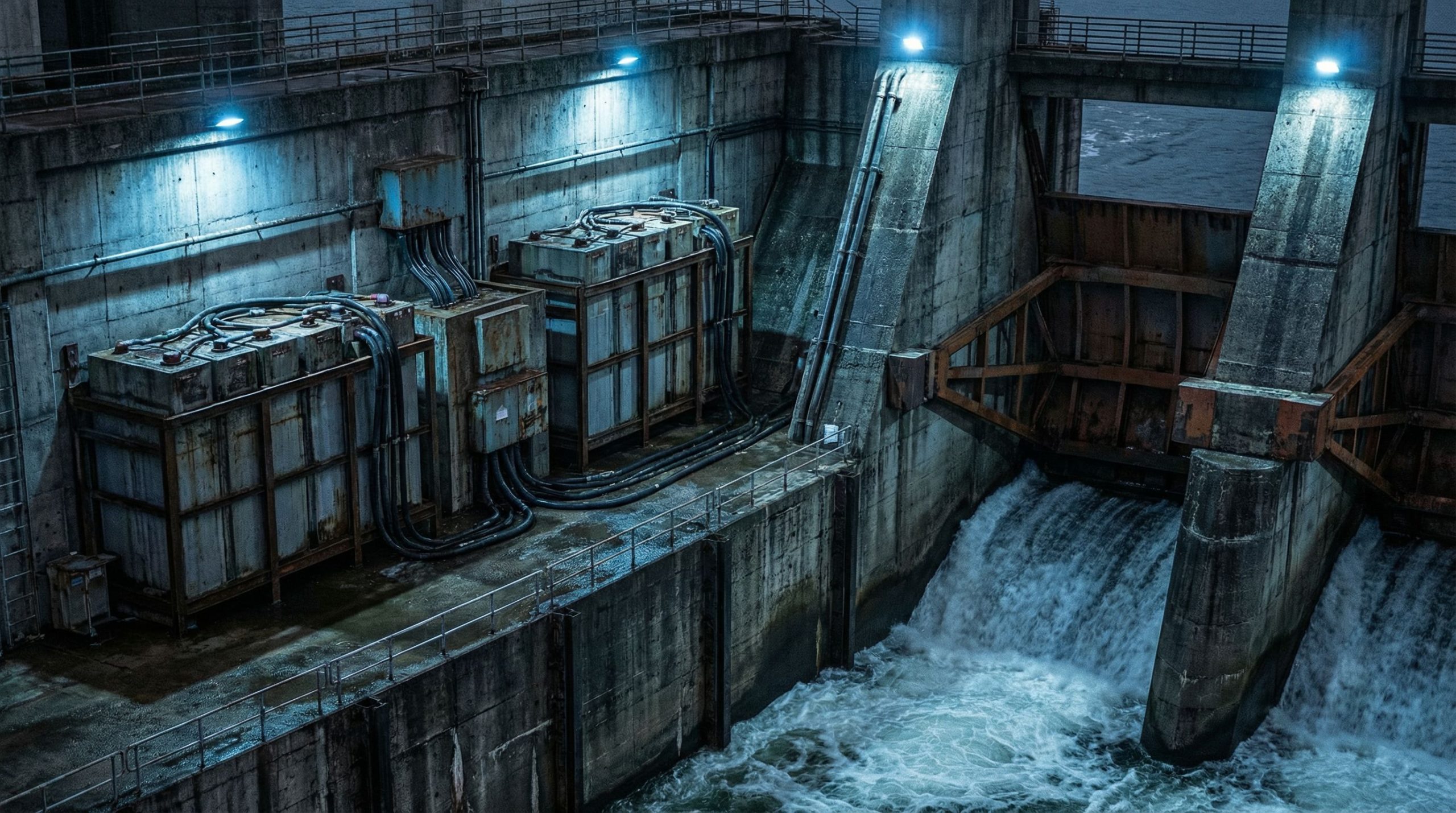
If there’s one area where François Legault hopes to leave his mark, it’s energy. His plan to double hydroelectric production within 25 years could be his greatest legacy… if it works. Perhaps by 2040 or 2050, people will say he gave Hydro-Québec the boost it needed. The agreement with Newfoundland and Labrador on Churchill Falls and Gull Island is also a smart move—we have to give him that. But be careful: it’s all still up in the air. The new Conservative government there could very well derail this historic agreement.
While we wait for those brighter days ahead, we have to deal with the failures of the present. Does the battery sector ring a bell? Northvolt, in particular. We’ve poured hundreds of millions of dollars into companies backed by Legault and his “super-minister” Pierre Fitzgibbon, with results that are—let’s just say—disappointing. That’s the risk when the government turns into a casino gambler.
The transformation of Investissement Québec at the start of the first term was aimed precisely at that: taking more risks. According to the premier, it has yielded successes, but what stands out most are the resounding failures. This interventionist vision, where the government picks the “winners”—deciding who gets money and who gets resources—doesn’t always go over well. Fundamentally, wouldn’t Quebec be better off investing in the basics? Good public services, efficient transportation, a skilled workforce… It may be less glamorous than battery factories, but it’s often more solid.
The financial abyss: the bill is steep
This is probably where the problem lies most deeply: the management of public finances. It’s been something of a disaster for this administration. Remember? François Legault inherited an $8 billion surplus when he took office. Yes, the pandemic complicated matters—there’s no denying that. But what about after that? The choices made were questionable.
By insisting on cutting taxes, sending checks to everyone (remember those checks?), and launching costly projects, we ended up deep in the red. Finance Minister Eric Girard had to announce a record deficit of $14 billion last March. According to the latest reports, the fall budget update put the figure at around $12 billion. These aren’t just abstract numbers: they led to a credit rating downgrade by S&P Global in April. That really hurts our credibility.
Net debt as a percentage of GDP is set to rise again in 2025. And while we’re digging ourselves deeper into the hole, the needs are glaring everywhere—in hospitals, schools, on our pothole-ridden roads, in public transit… and the list goes on. Flagship projects like senior centers or preschool for 4-year-olds? Not exactly a success, to say the least. Not to mention the setbacks on climate targets, which are nothing more than a bill passed on to our children.
Ultimately, it’s very hard to imagine that these two terms in office will be seen as promising for the future. While the economy has grown statistically, the foundations are crumbling everywhere. The real impact of the Legault era—particularly on Hydro-Québec—remains a mystery that only time will reveal.
François Legault: Why Your Portfolio Contradicts His Figures (Time to Take Stock)
This content was created with the help of AI.


