Skip to content

A Therapeutic Revolution on the Horizon: Moving Toward the End of the Daily Pill

For decades, managing high blood pressure has meant following the same unchanging routine: taking a pill every day, without fail. However, a new scientific review published in the prestigious journal The Lancet suggests that the future of this treatment could look radically different, paving the way for a major simplification of patients’ daily lives. Researchers are highlighting revolutionary therapies that could replace daily medication with just two injections per year.

According to the scientists, these long-acting treatments are currently undergoing advanced-stage clinical trials worldwide. The goal is to significantly improve long-term blood pressure control. If these trials prove successful, this innovation could help millions of people around the world, potentially transforming the global management of high blood pressure in the near future.

The Scale of the Problem: Statistics and Health Risks

Hypertension, often referred to as the “silent killer,” is a major health problem affecting more than one billion people worldwide. The reported data highlight a particularly concerning situation in India, where approximately 31% of adults—or one in three people—suffer from hypertension. Despite this high prevalence, awareness remains low, at less than 50%. Even more alarming is that of the approximately 220 million people affected in India, only about 12% are able to keep their blood pressure under control.

This condition is a major cause of cardiovascular disease and premature death, particularly in India. In addition to significantly increasing the risk of heart attack and stroke, hypertension can lead to kidney failure and even dementia. Although numerous effective medications are available on the market, blood pressure control rates remain at an alarmingly low level.

Treatment Adherence: The Real Therapeutic Challenge

The root of the problem lies not in a shortage of medications, but rather in treatment adherence. Taking daily pills requires absolute consistency, regular access to prescriptions, and unwavering long-term motivation. Many patients skip doses, stop their treatment due to side effects, or struggle with complex regimens involving the simultaneous use of multiple medications.

As a result, even in developed nations with advanced healthcare systems, a significant proportion of patients fail to maintain optimal blood pressure levels. The burden of daily medication creates a gap in protection against cardiovascular risks, making current therapies less effective in practice than they are in theory.

The Scientific Mechanism: Targeting the Renin-Angiotensin System
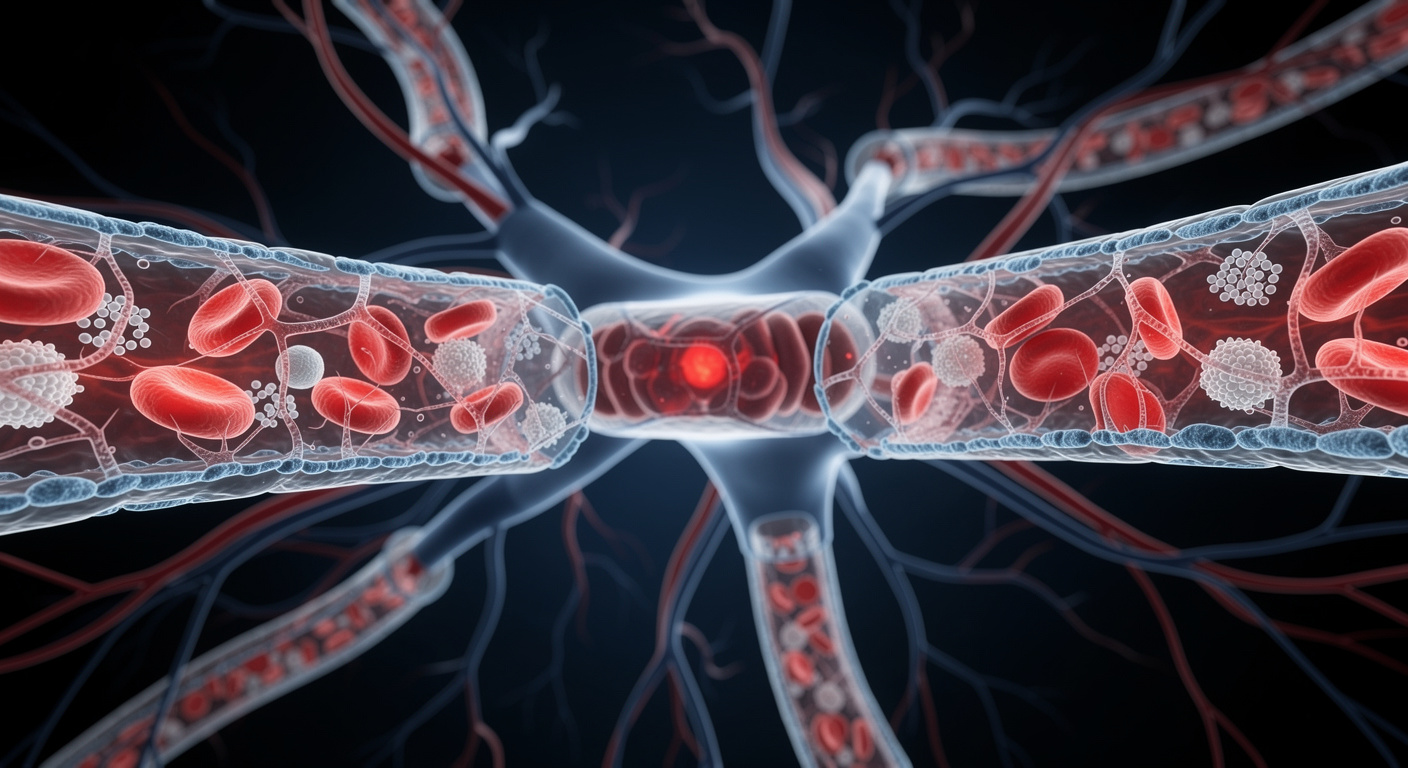
A review in The Lancet highlighted long-acting treatments designed to specifically target the biological pathways that regulate blood pressure. Unlike oral medications that temporarily block these pathways, the new injections aim to provide sustained suppression for a month or longer. Some of the treatments currently being tested have focused on the renin-angiotensin system, a crucial hormonal system that controls blood vessel constriction and fluid balance.

By administering a long-acting agent, researchers hope to maintain a stable reduction in blood pressure without imposing the burden of a daily pill. If this approach proves successful, the journal reports that patients might need only two injections per year, which would be administered in a clinical setting under the supervision of healthcare professionals.

A Game-Changer for High-Risk Patients

According to experts, this change in approach could address one of the biggest challenges in treating hypertension: the burden of daily medication. A semi-annual injection administered in a clinic would eliminate missed doses, reduce disruption to daily life, and significantly improve treatment adherence. This model would also simplify care for elderly patients or those with multiple health conditions.

This approach would be particularly beneficial for people with demanding routines and lifestyles, those already taking multiple medications, or those living in areas with limited access to healthcare. For older adults managing multiple chronic conditions or those who find it difficult to adhere to a strict medication regimen, this model could prove life-saving.

Future Prospects and Limitations of the Innovation
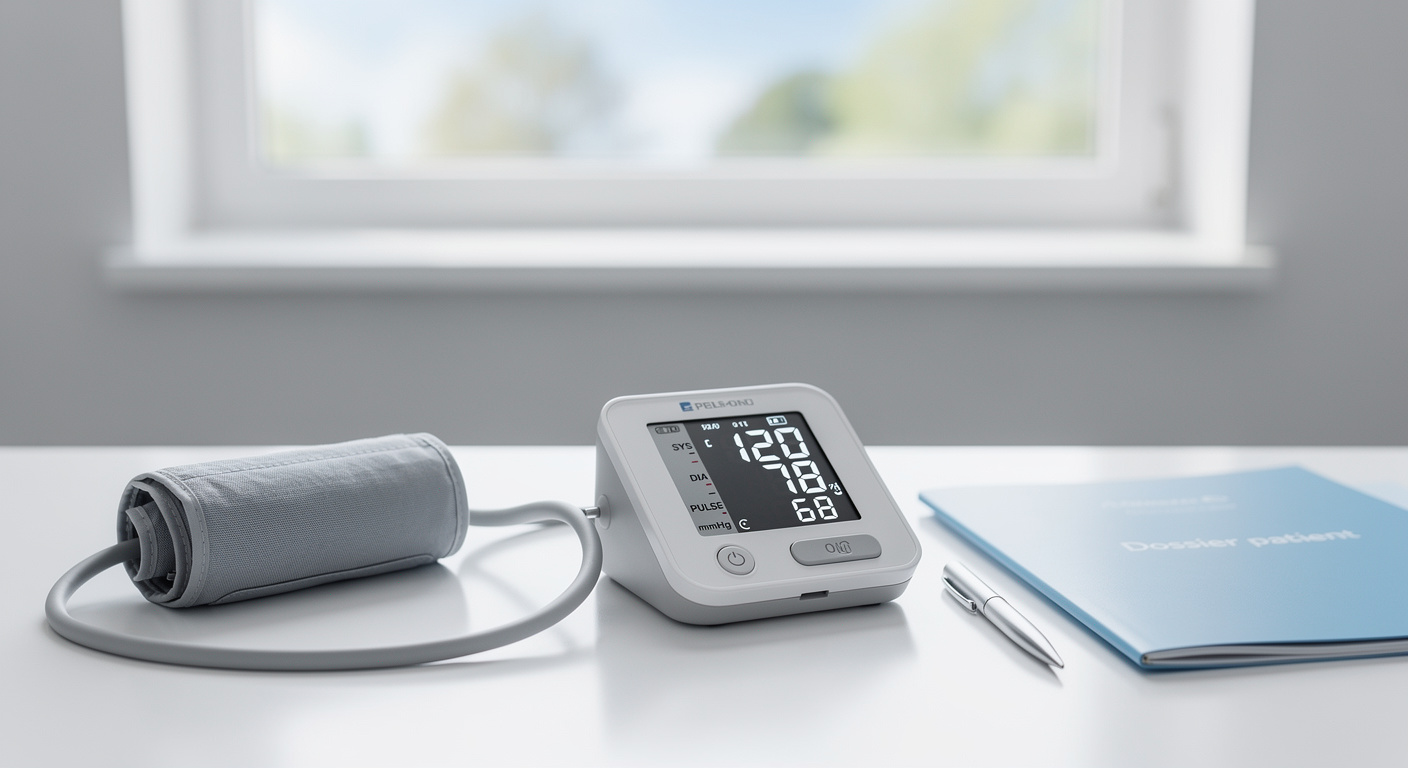
Experts say that better adherence directly translates to better clinical outcomes, as sustained blood pressure control reduces the risk of fatal heart diseases such as heart attacks and strokes, which remain the leading cause of death worldwide. The shift toward injectable therapies could therefore have a direct impact on patients’ longevity and quality of life.

However, scientists have also issued a caution: it is unlikely that injections will completely replace oral medications. Rather, they could serve as an alternative for patients who struggle with daily therapy or who require additional monitoring. Experts emphasize that, while promising, this innovation will complement the existing therapeutic arsenal rather than entirely replace it.

Source: timesnownews.com

Created by humans, assisted by AI.

High Blood Pressure: Could a twice-yearly injection replace daily pills?

facebook icon twitter icon linkedin icon
Copied!

Commentaires

0 0 votes
Article Rating
Subscribe
Notify of
guest
0 Comments
Newest
Oldest Most Voted
Inline Feedbacks
View all comments
More Content