

The Unexpected Extent of Gut-Brain Interaction Disorders

The Complex Mechanism of the Gut-Brain Axis
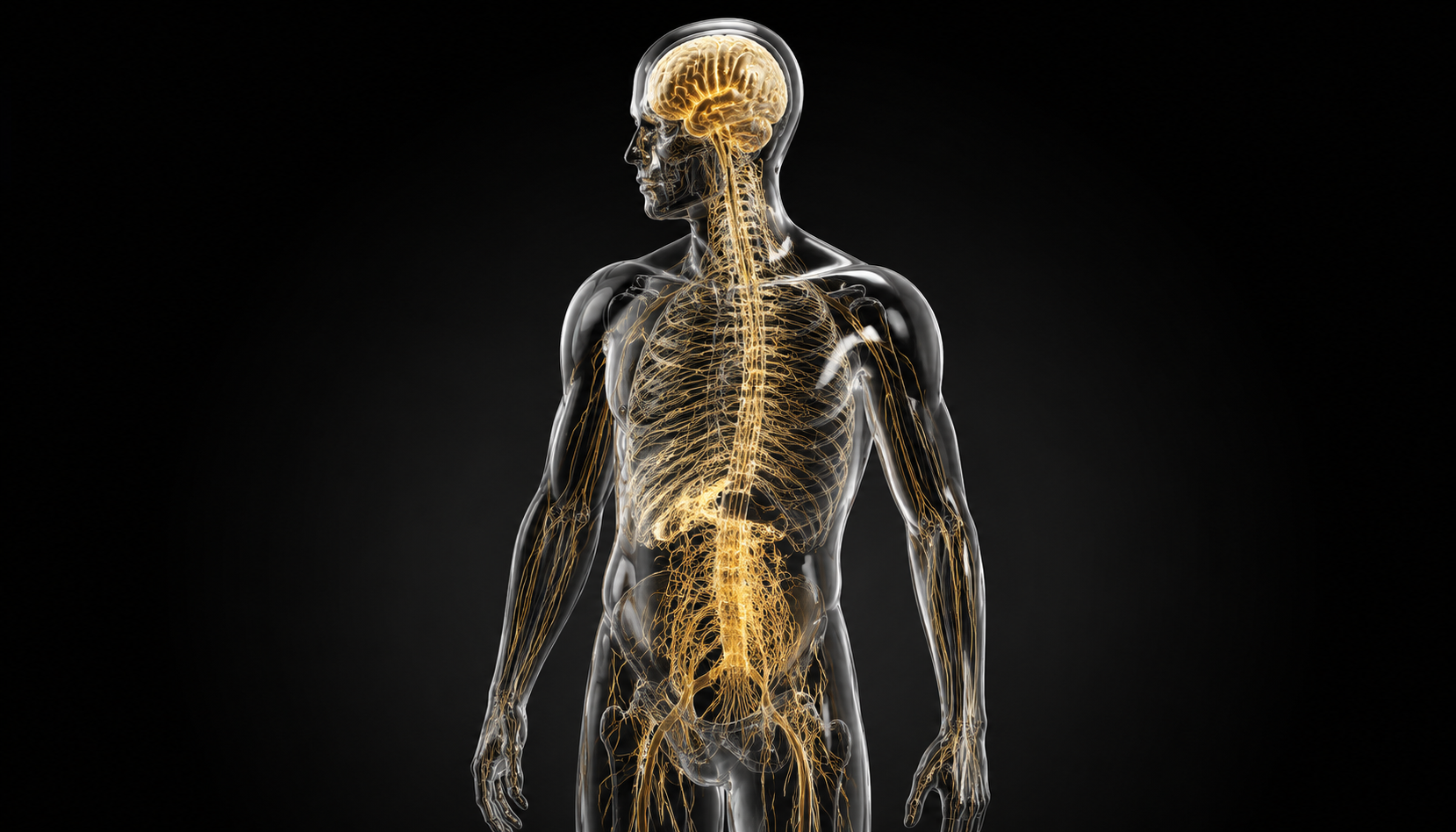
This two-way communication is based on the gut-brain axis, a communication network linking the digestive system and the brain. This system involves several components: nerves, hormones, immune cells, and the gut microbiota—the vast community of microorganisms living within the digestive tract. Evidence suggests that this microbiota can influence immune responses, metabolism, and brain activity.
Interest in these connections has grown rapidly over the past decade. Scientists are now studying the links between imbalances in this microbiota and a growing list of conditions, including depression, obesity, autoimmune diseases, and neurodegenerative disorders. Agata Mulak, a professor in the Department and Clinic of Gastroenterology, Hepatology, and Internal Medicine at the Medical University of Wrocław and a co-author of the study, explains: "Chronic stress disrupts communication between the brain and the gastrointestinal tract, affecting intestinal motility, visceral hypersensitivity, intestinal barrier permeability, and the composition of the microbiota."
The Impact of Isolation and Financial Pressures

The most striking aspect of this new publication lies in its analysis of sociocultural influences. While gastroenterology has long given these dimensions little consideration, the current perspective is much broader, recognizing the importance of each individual’s environment.
Researchers now recognize that specific factors—such as loneliness, financial pressures, living conditions, lack of social support, or cultural beliefs—have a surprising impact on gut health and can actually exacerbate digestive problems. Professor Mulak explains: “The shift in our understanding of the pathogenesis and progression of gut-brain interaction disorders is the result of a holistic approach to health and disease, consistent with the biopsychosocial model, which takes into account the interactions of biological, psychological, and sociocultural factors.”
These contextual factors shape the patient’s perception of the illness. “Sociocultural factors have a significant influence on stress levels, lifestyle, and the way we perceive and respond to symptoms,” the researcher emphasizes, before adding: “Cultural norms shape the interpretation and expression of symptoms, as well as healthcare-seeking behavior, directly influencing the course of these disorders and the effectiveness of treatment.”
A Medical Journey Often Fraught with Obstacles

New Personalized Treatment Approaches

“Effective communication between doctor and patient, based on active listening, empathy, and trust, forms the foundation of successful treatment,” says Professor Mulak. She concludes with a perspective firmly focused on clinical innovation: “In the future, we can expect increasingly personalized therapies that take into account both the biological and psychosocial dimensions of health.”
Source: earth.com
How Loneliness, Stress, and Financial Worries Disrupt Your Digestive System


