

An unwelcome visitor from the woods

This is a scenario that, unfortunately, is becoming all too familiar. We chip away at the forests, we expand our cities, and suddenly, the barrier between humans and wildlife disappears. This is exactly the story of the Nipah virus. You may not have heard much about it, but it’s on the World Health Organization’s (WHO) radar as one of the most serious threats right now. Why? Because it keeps resurfacing in South Asia, and to date, we have no vaccine to stop it.
It all began in 1999. At the time, an outbreak struck Malaysia and Singapore, initially affecting pig farmers. By tracing the virus back to its source, scientists identified its natural reservoir: fruit bats—those large flying foxes that inhabit the tropics. Since then, the virus has spread. Cases have been reported in the Philippines, Bangladesh, and, more recently, India.
How does the virus spread to humans?

In practical terms, how do people contract this virus? It’s not always direct. Often, it occurs through contaminated fruit. An infected bat nibbles on a mango or a date, leaving saliva or urine on it, and if a human consumes that fruit, infection occurs. In India, researchers have identified several species of flying foxes that carry the virus.
But the danger doesn’t stop there. The virus can also be transmitted from person to person through bodily fluids. This is where things get complicated for healthcare workers. The Independent recently reported that doctors and nurses were infected in the state of Kerala in 2023. This shows just how fragile protective protocols in hospitals can be when faced with such an adversary.
A Mortality Rate That Sends a Chill Down Your Spine

What makes Nipah particularly dangerous is its initial stealth, followed by extreme virulence. It advances under the radar: the incubation period can last up to three weeks. At first, it’s mistaken for a simple flu with fever, body aches, and a headache. Sounds familiar, right?
Except that things can quickly spiral into encephalitis—that is, inflammation of the brain. Confusion, seizures, even coma… The clinical picture is grim. The WHO’s figures are stark: the fatality rate ranges from 40% to 75%, depending on the outbreak. And what about those who survive? They aren’t always out of the woods, facing risks of persistent neurological sequelae or even late relapses.
India on High Alert
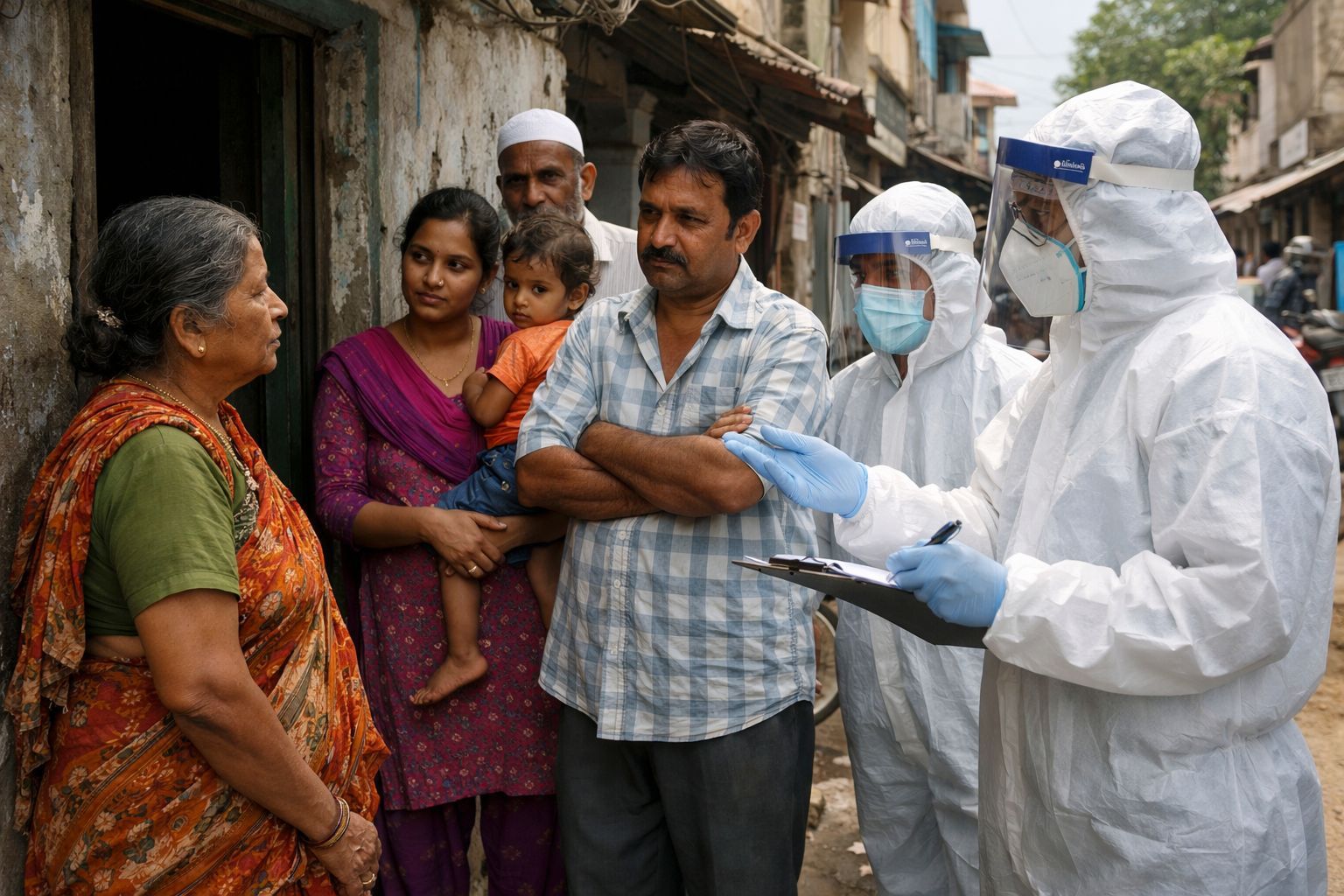
Nipah: Why Is the WHO So Concerned About This Virus, for Which There Is No Vaccine?
This content was created with the help of AI.


