

The Unexpected Role of Obesity Treatments

The Invisible Phenomenon of No-Reflow
Surprising discoveries by research teams

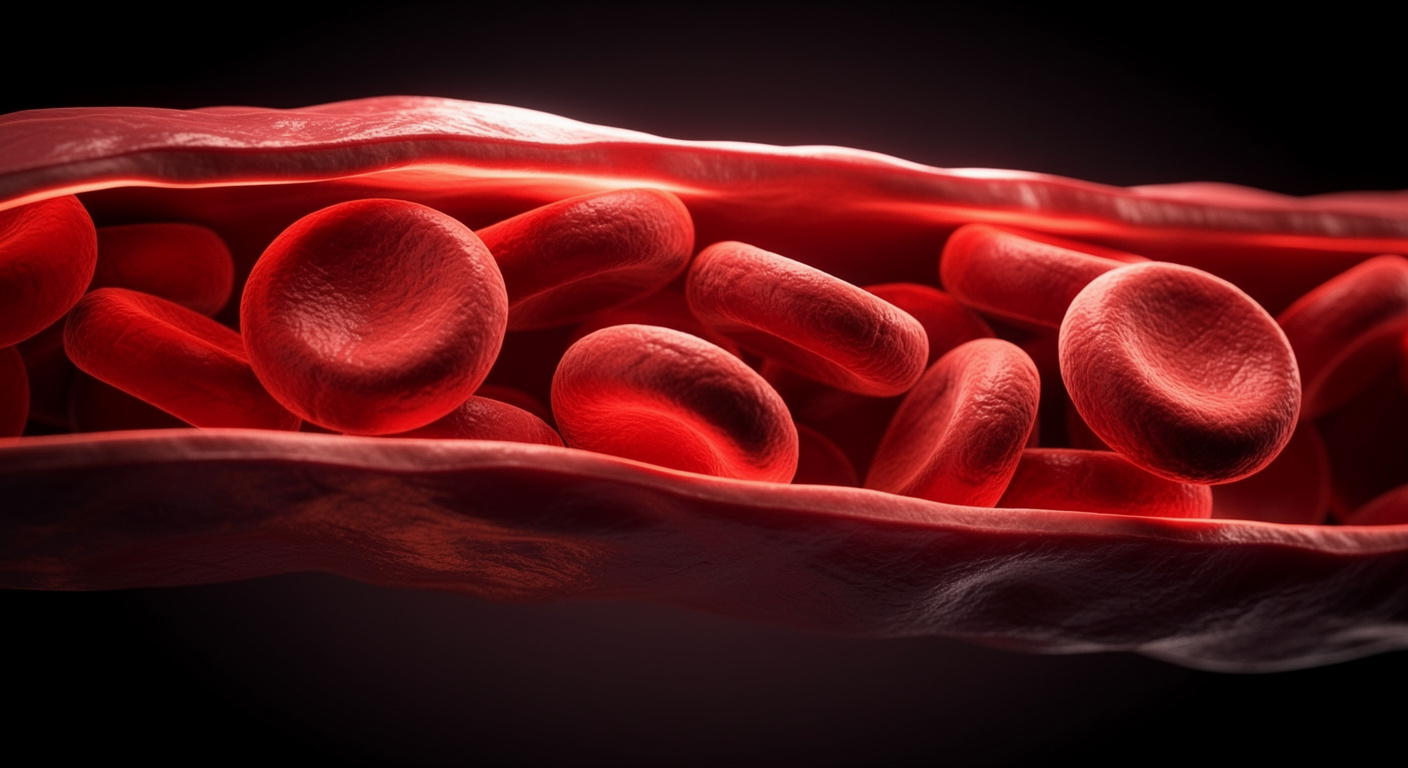
She explains this phenomenon in detail: “Our previous research has shown that this narrowing of blood vessels contributes significantly to ‘no-reflow,’ a complication that increases the risk of death or hospitalization for heart failure within a year of a heart attack,”
The researcher emphasizes the promise of potential solutions emerging today: “But our latest findings are surprising in that we’ve discovered that GLP-1 medications might prevent this problem.”
The mechanism of blood flow restoration

GLP-1 is naturally produced in the intestine. The medical community already uses drugs that mimic this hormone to treat type 2 diabetes and obesity. These substances help regulate blood sugar levels while reducing patients’ appetite. Previous studies had also noted that people on this treatment experienced fewer serious heart problems, prompting scientists to investigate the exact cause.
A New Lease on Life for Existing Treatments

Professor David Attwell, a co-author of the study, highlights the scope of these applications: "With a growing number of similar GLP-1 drugs now in clinical use—for conditions ranging from type 2 diabetes and obesity to kidney disease—our findings highlight the potential for these existing drugs to be repurposed to treat the risk of ‘no-reflow’ in patients who have suffered a heart attack, offering a potentially life-saving solution,"
According to the source: earth.com
Obesity medications may prevent further damage after a heart attack


