

Plant-Based Alternatives: A Study Reveals the Presence of Mycotoxins and Calls for Regulation


The Rise of Plant-Based Alternatives in the Face of a Microscopic Reality
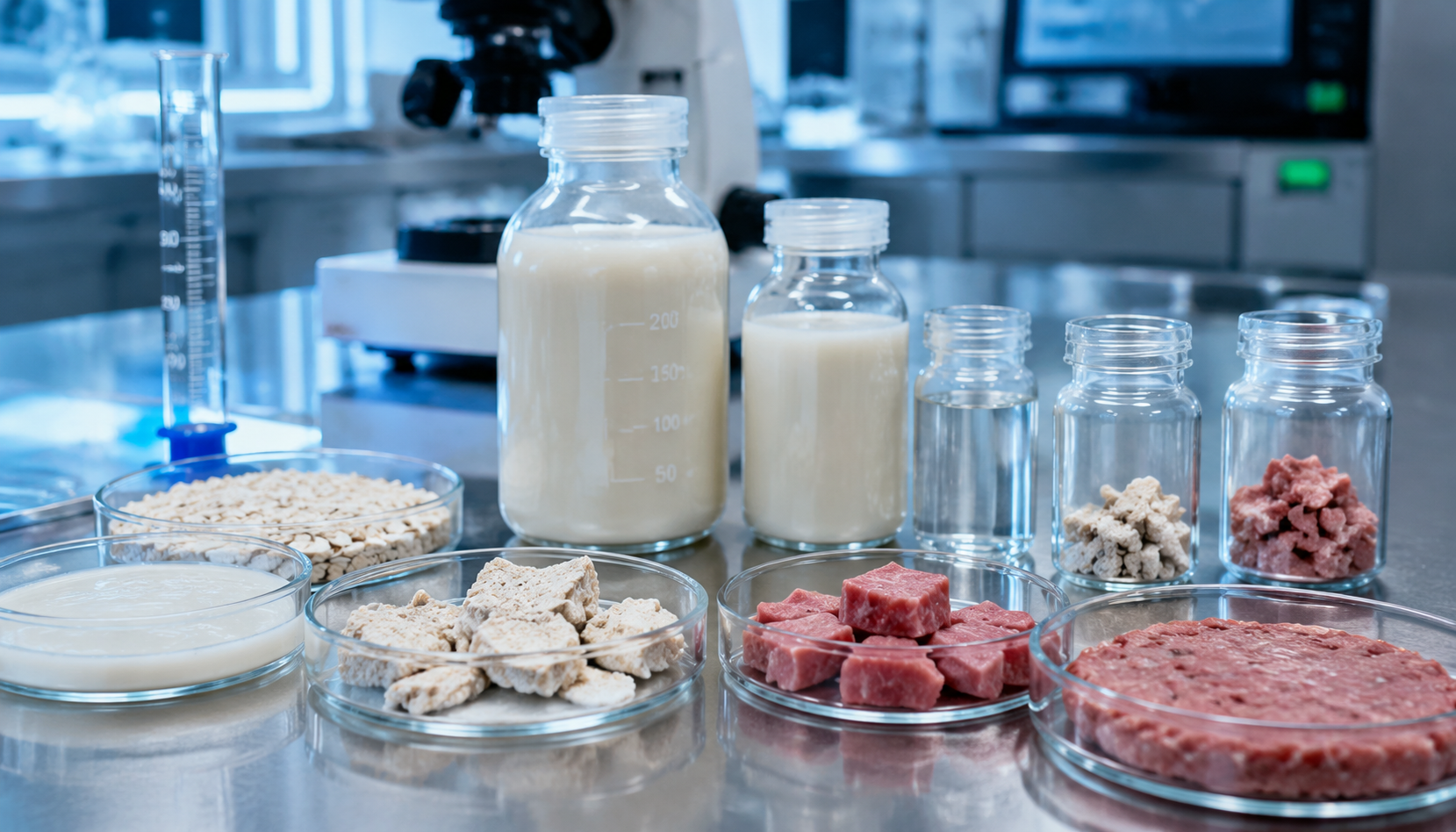
The Source of Toxins in Everyday Products
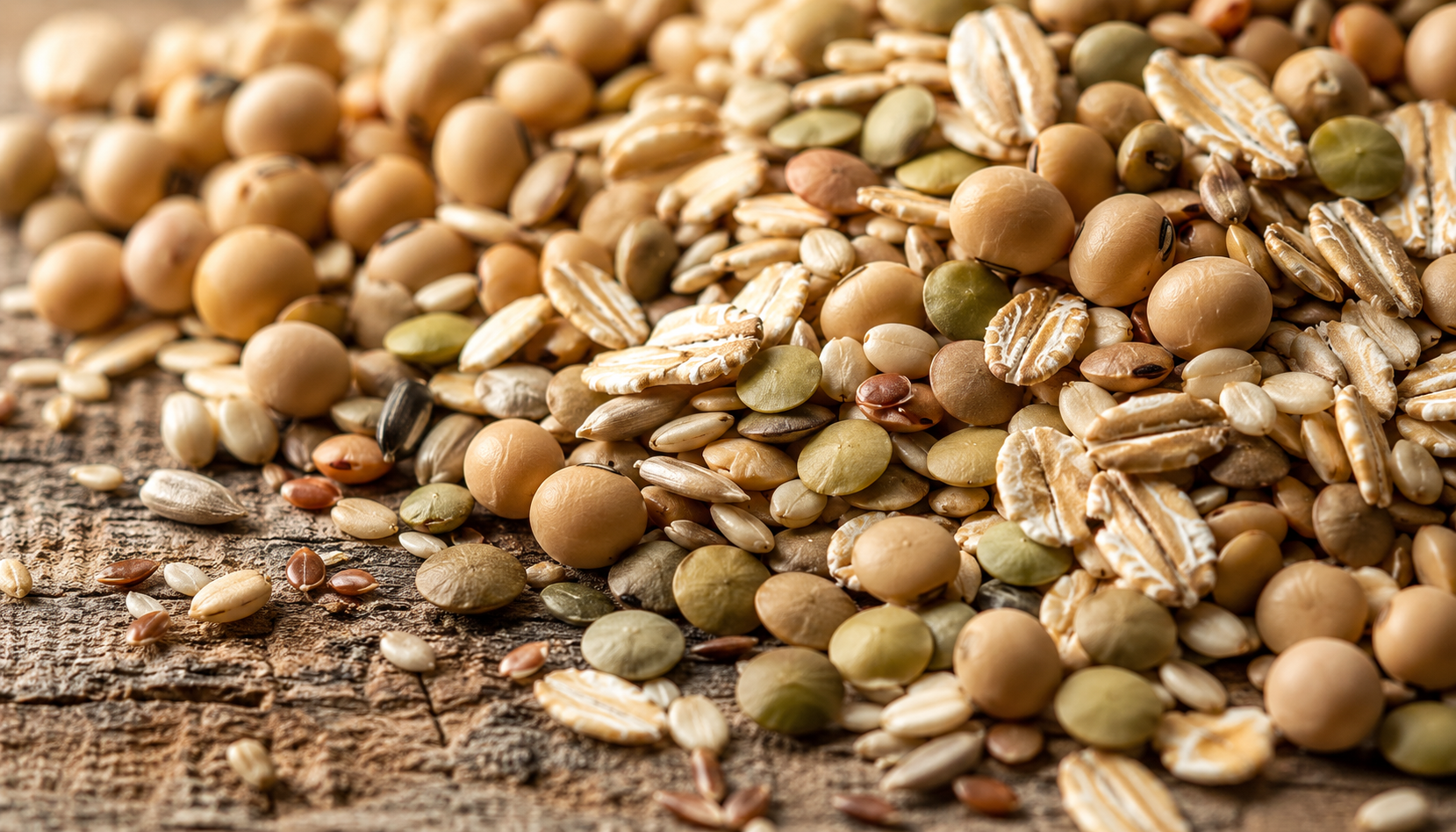
Indeed, the raw materials essential for producing these substitutes—such as grains, legumes, and seeds—can be exposed to mold. This fungal contamination typically occurs during critical stages of field cultivation or during storage in agricultural silos.
Levels Within Standards, but a Risk of Accumulation

According to the study’s authors, these moderate concentrations reflect the rigor of current manufacturing processes, highlighting what they describe as the high-quality standards of the British food industry.
Researchers in the journal Food Control detail the extent of these health risks: “In very severe cases, exposure to mycotoxins can cause health problems such as liver and kidney damage, a weakened immune system, and cancer.”
A regulatory vacuum amid rapid market growth
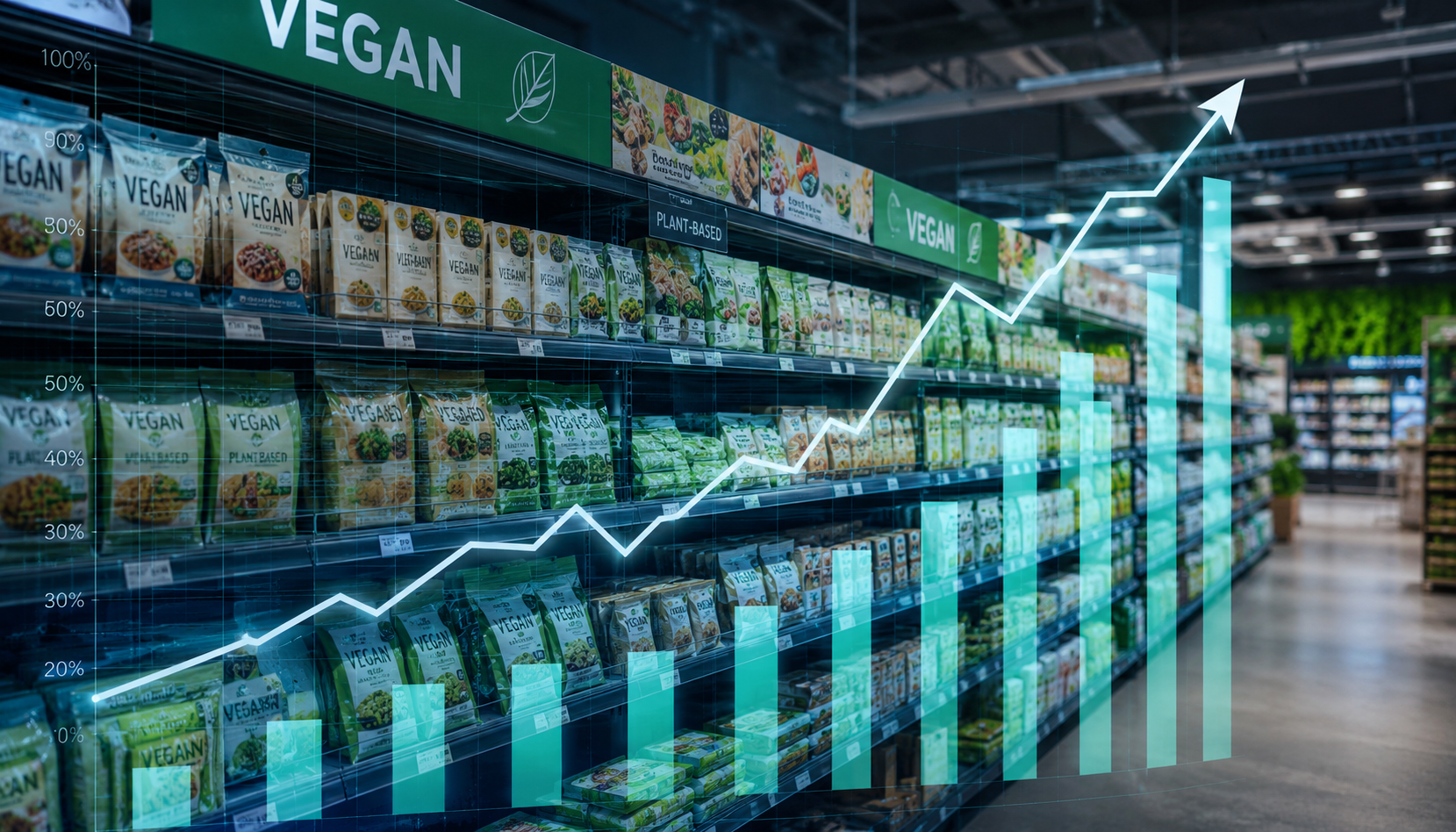
The study highlights a modern paradox: consumption of plant-based alternatives to dairy and meat has risen sharply, but scientific research to determine exactly what people are eating—and the potential health implications—has not kept pace.
The research team is closely monitoring this gap. They note: “The European market for plant-based products has experienced unprecedented growth in recent years.” They go on to add that “although the environmental and nutritional benefits of increased consumption of plant-based products are well established, gaps still exist in their safety assessment, particularly regarding the presence of potential unregulated contaminants.”
This lack of comprehensive data currently prevents researchers from accurately mapping the potential risk. The authors explain: “With only a few studies exploring the prevalence of mycotoxins in [plant-based meat alternatives] and [plant-based beverages], a clearer picture of the occurrence of mycotoxins in plant-based foods is still lacking,”
Risk Assessment and Call for Prevention

Andrea Patriarca, a lecturer in mycology at Cranfield University, offers a reassuring yet cautious perspective on these findings. She highlights the ubiquitous nature of these compounds: “Mycotoxins are naturally present in food and cannot be completely avoided. As consumers, we should not be frightened or deterred from enjoying a variety of products.”
The real challenge lies in institutional oversight and the creation of legal frameworks adapted to these new habits. She explains: “However, a significant concern arises when new foods enter the market, as there are currently no established regulations to monitor mycotoxins. Our research data helps food safety organizations assess risks, particularly in complex, multi-ingredient products.”
To address these gaps, scientific teams are continuing their investigations on a European scale. Andrea Patriarca concludes by outlining the next steps in their work: “We are currently collaborating with the University of Parma to assess the risks the population faces based on different dietary habits. Our goal is to advise policymakers and raise awareness among vulnerable consumers.”
Source: independent.co.uk
Plant-Based Alternatives: A Study Reveals the Presence of Mycotoxins and Calls for Regulation
