

The Dilemma of the Wilted Salad
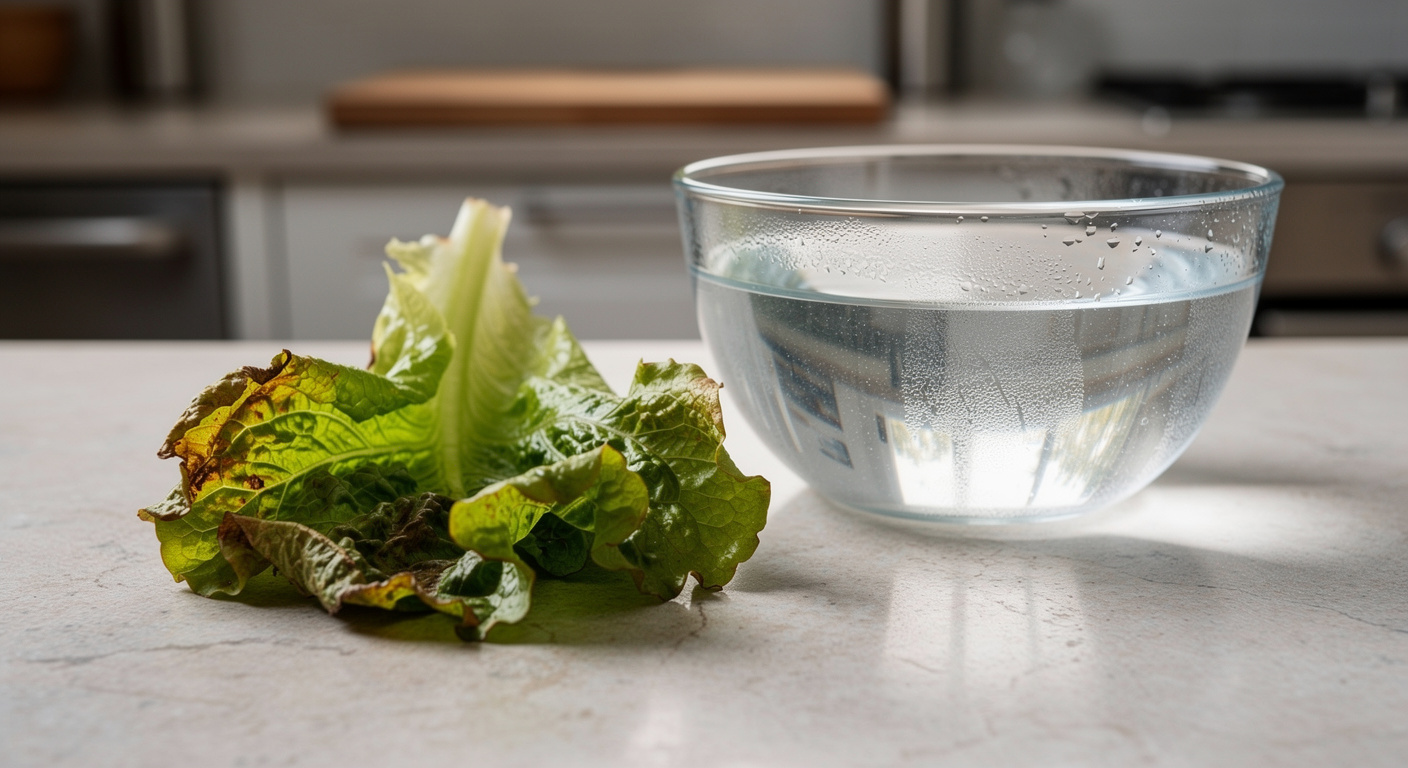
It’s 7 p.m., and you’re in the mood for a salad for dinner, but when you open the vegetable drawer, you’re in for a nasty surprise: your lettuce looks terrible. It’s limp, wilted, and sorely lacking in firmness. Faced with this situation, your options seem limited and unappealing. Should you rush to the store to buy more? Should you give up on the idea and order a ready-made meal? Or should you try the classic rehydration method?
However, there is an alternative. It’s a trick little known to the general public but commonly used in the food retail industry. It brings vegetables back to life in record time—no more than a quarter of an hour. The secret lies not in cold, but in precise temperature control.
Understanding the Mechanism of Wilting

To grasp the effectiveness of this method, it’s necessary to understand why leafy vegetables lose their vitality. As long as they’re attached to their parent plant or roots, they receive a constant supply of moisture. This continuous flow maintains pressure inside the plant cells, giving them their firmness and crisp texture.
Once cut and separated from this vital source, the vegetables inevitably begin to dehydrate. Water slowly evaporates, the cells empty, and the plant’s structure wilts. It is this biological process that transforms a fresh head of lettuce into a few sad, wilted leaves at the bottom of your refrigerator.
The logic behind reversing this phenomenon is therefore purely physical: the cells’ water reserves must be replenished. The goal is to allow water to re-enter the plant’s tissues so that it regains its original turgidity.
Why hot water is more effective
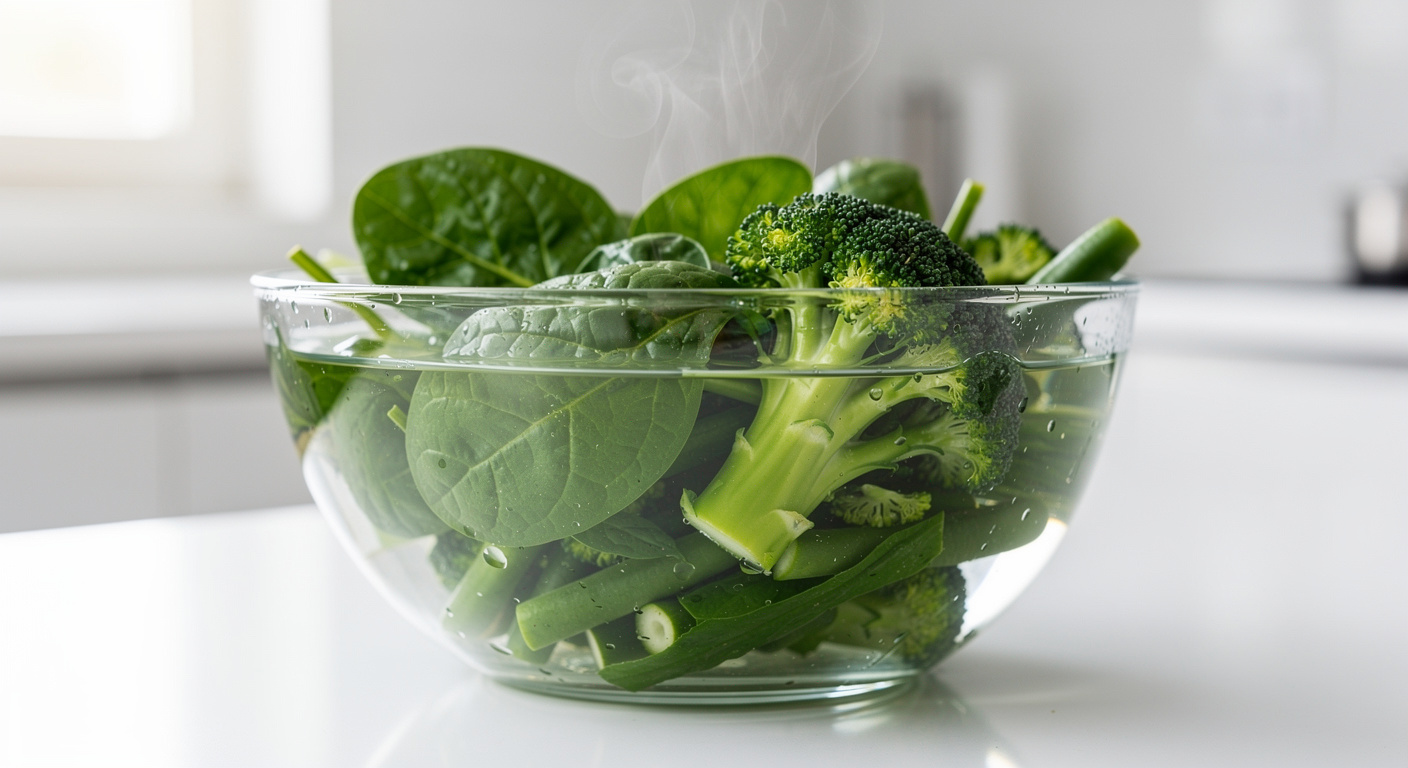
Most home cooks use cold water for this process. Although cold water eventually rehydrates the plant’s cells, the process is slow. The “heat shocking” method offers a counterintuitive approach: using hot water.
Far from damaging the vegetable, immersing it in hot water significantly speeds up rehydration. The higher temperature causes the plant’s cells to open up more widely and more quickly than they would in a cold environment. This opening facilitates the immediate absorption of liquid.
The Rule of Ideal Temperature
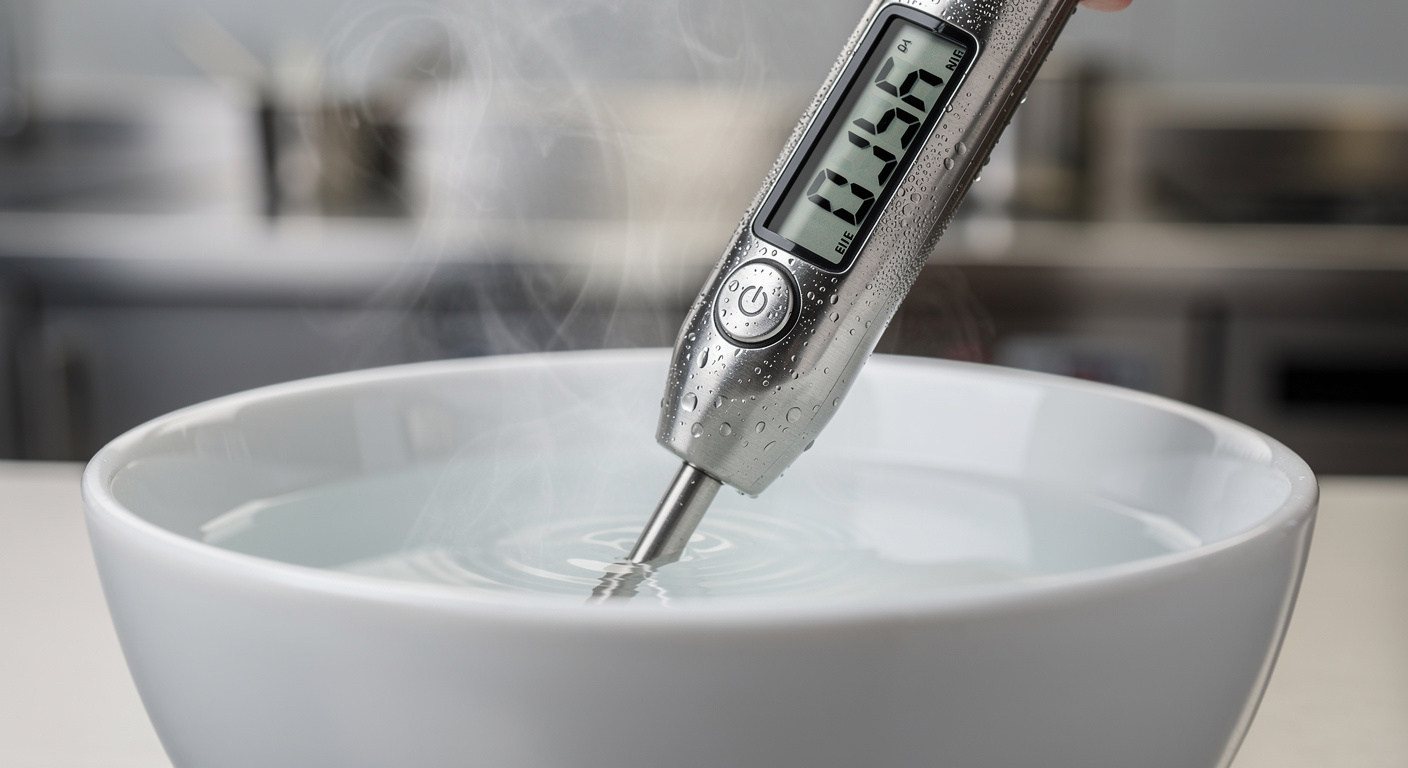
Although the technique is simple, it requires precise temperature control to avoid overcooking the food. The goal isn’t to blanch the vegetables, but to revive them. The water must be moderately hot. Using water that’s close to boiling would destroy the vegetable’s structure instead of restoring it.
A tip for multiple varieties
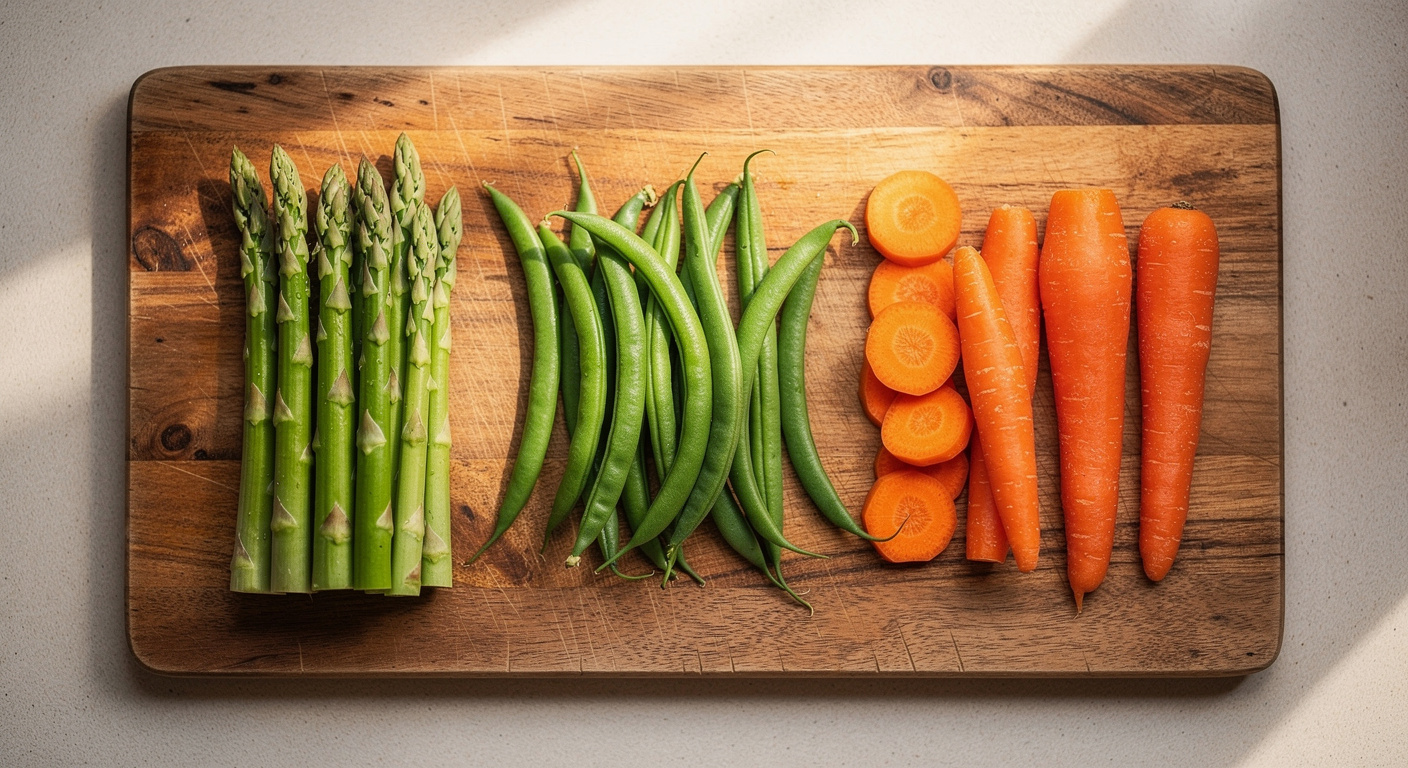
The effectiveness of this hot water bath isn’t limited to lettuce leaves. Many other vegetables, which undergo the same dehydration process over time, can benefit from this shock treatment. It’s a versatile method that works for a variety of garden produce.
Prevention and Professional Use
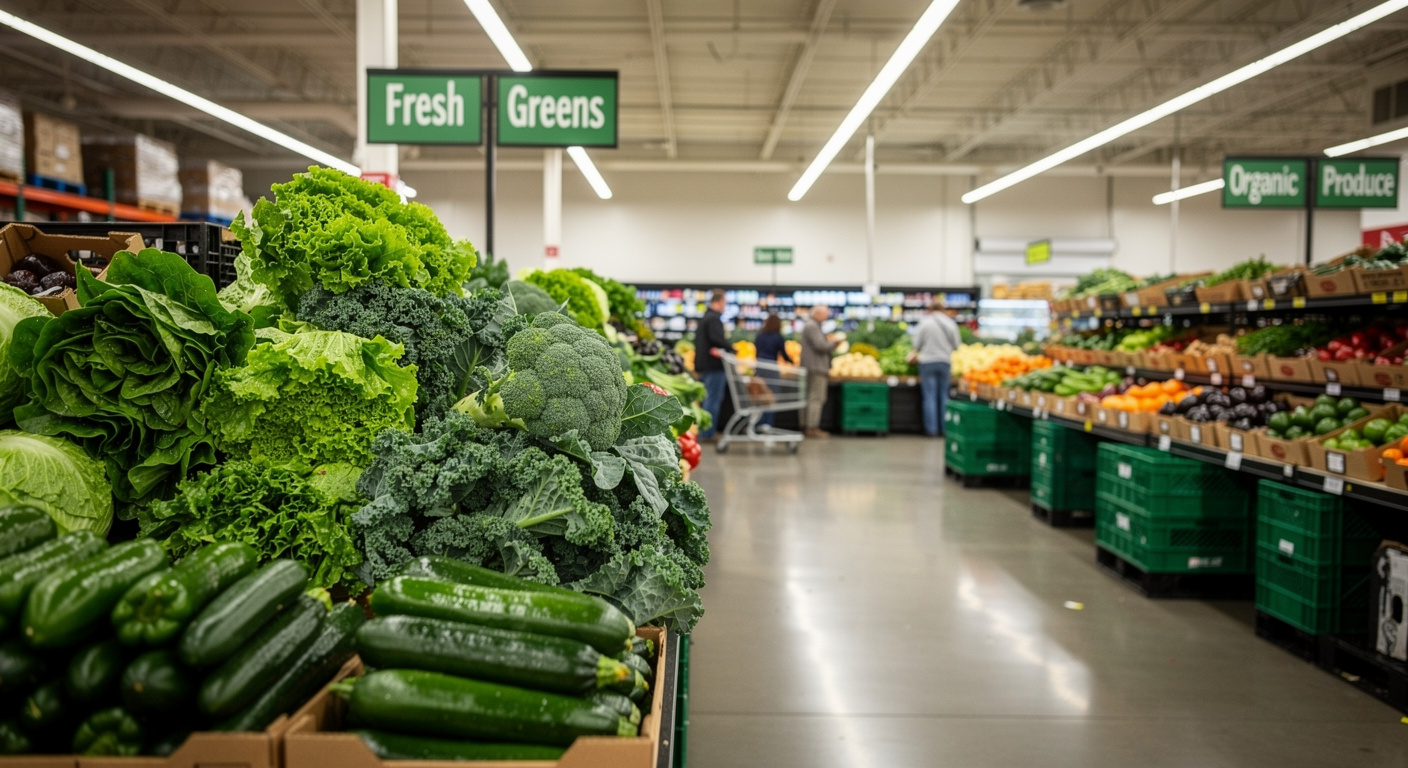
This method isn’t just an emergency fix; it can also be used preventatively. Treating vegetables with hot water as soon as you bring them home from the market—before they even start to wilt—helps extend their shelf life. It’s a proactive way to manage your supply of fresh produce.
By adopting this professional practice at home, you’re following a proven industry standard. This helps you stay one step ahead of natural wilting and ensures your produce remains at its best for several days.
The Final Touch Before Serving
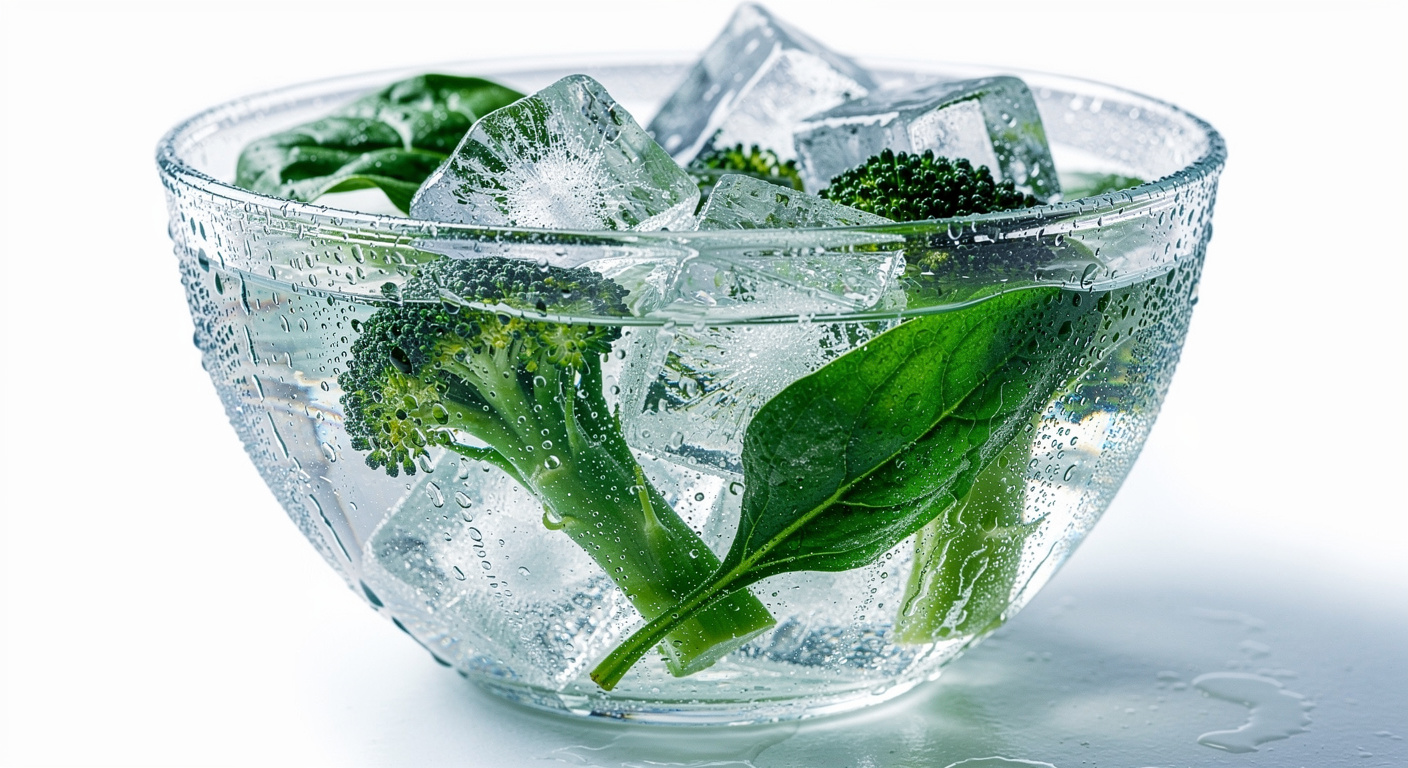
If you plan to eat your vegetables immediately after treatment, one final step is essential. No one wants to eat a lukewarm salad for dinner. Once the leaves have regained their vigor thanks to the hot water, it’s crucial to stop the heat from taking effect.
Finally, be sure to dry your vegetables thoroughly before seasoning them. Use a salad spinner or gently pat them dry with a clean cloth. In just a quarter of an hour, you’ll have a fresh, crisp salad that’s ready to serve, just as if it had been freshly picked.
Source: delish.com
Created by humans, assisted by AI.
Wilted Vegetables: This 15-Minute Method Used by Professionals Makes All the Difference


