

A benign but bothersome neurological condition

If your eye has been twitching all day—or even intermittently for several weeks—know that you’re not alone. This eyelid twitch, medically known as myokymia, is one of the most commonly reported benign neurological symptoms among patients. It typically manifests as a slight fluttering sensation under the skin, a brief spasm of the upper or lower eyelid, or a rapid pulsation beyond voluntary control.
Although this sensation can be annoying—and sometimes a cause for concern when it persists over time—it remains harmless and temporary in the vast majority of cases. It is a physiological reaction that, while surprising, very rarely indicates a serious underlying condition.
Stress and fatigue: the major internal triggers

Most eye twitches stem from factors related to daily life rather than serious medical conditions. Stress stands out as one of the main culprits behind this phenomenon. When the body is under increased tension, certain small muscle groups—including those in the eyelids—can malfunction and contract involuntarily. Even low-intensity stress, caused by multitasking or tight work deadlines, is sometimes enough to trigger a spasm.
Fatigue and lack of sleep also play a major role in the onset of these symptoms. People who have had a string of short nights, those who travel frequently, or those who suffer from poor-quality sleep are particularly at risk. Under these conditions of exhaustion, the small muscles surrounding the eyes can become overactive, physically reflecting the body’s need for rest.
Screens, stimulants, and dryness: environmental factors

Eye strain, particularly that caused by screens, has become one of the most common modern triggers. Spending hours staring at digital devices without blinking enough or taking regular breaks leads to overstimulation of the eyelid muscles. This continuous strain, typical of today’s office environments, promotes the onset of spasms.
Finally, dry eyes are a surprising but common cause. People who work in air-conditioned environments, those who wear contact lenses, or those who simply blink too infrequently may experience irritation of the eye’s surface. This dryness then triggers muscle spasms in response to the discomfort felt.
Rarer Medical Causes
Although much less common, some cases of eye twitching may be linked to more specific physiological causes. Nutritional imbalances are sometimes to blame, particularly a magnesium deficiency—a mineral essential for proper muscle and nerve function. Allergies can also cause enough irritation to the eyelid to trigger involuntary movements.
When should you see a doctor?
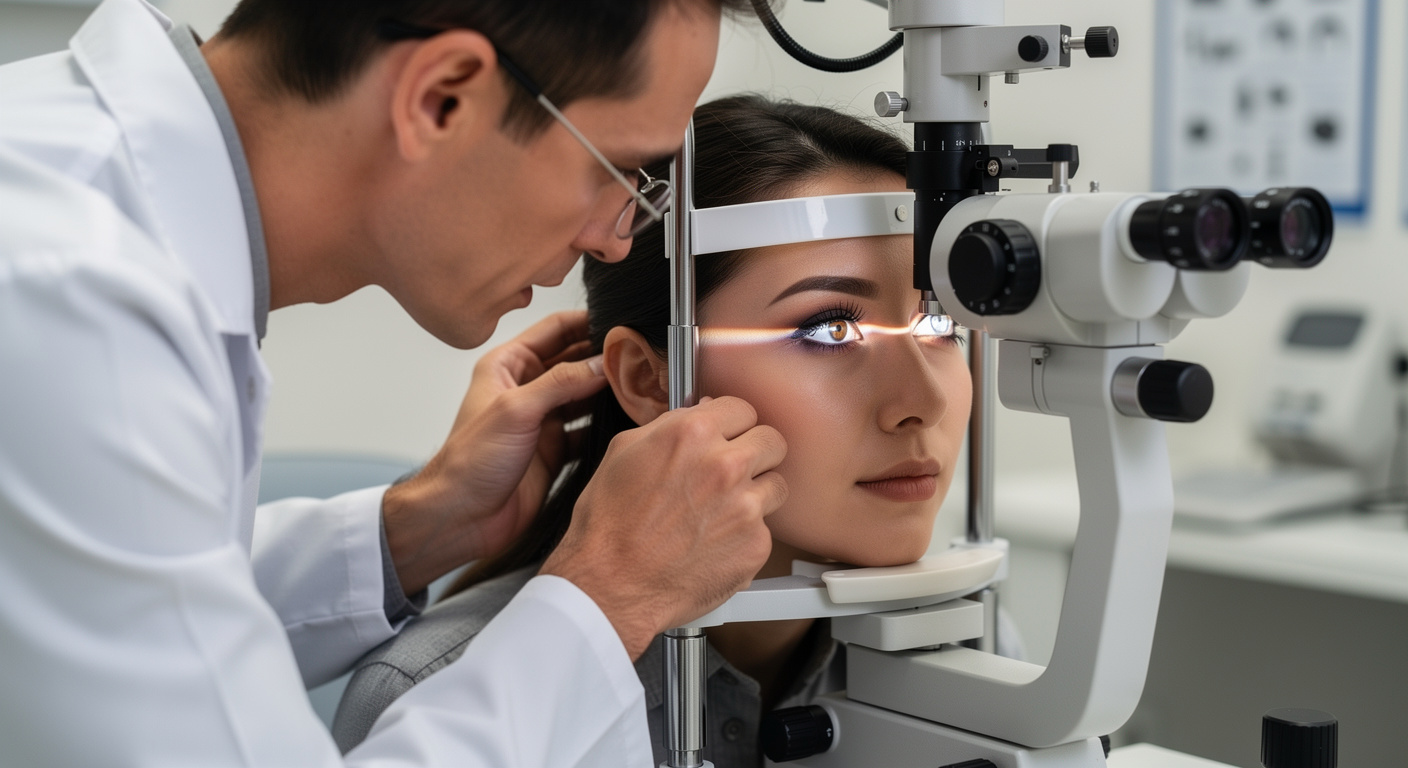
While most twitching is harmless, certain situations warrant a medical consultation. It is recommended to see a doctor if the twitching persists for more than a few weeks without improvement, or if the eyelid begins to close involuntarily and completely—which is different from a simple blink.
Simple Steps to Stop Twitching

The good news is that most tremors go away on their own. However, a few simple adjustments can speed up recovery. It’s advisable to reduce screen time or follow the “20-20-20” rule: every 20 minutes, look at an object 20 feet (about 6 meters) away for 20 seconds. This eye exercise helps relieve the tension built up from prolonged focusing.
The Importance of Listening to Your Body

Ultimately, a twitching eye is usually a sign that your body is asking for rest, better hydration, or a break. Although this symptom is rarely serious, it’s worth paying attention to your lifestyle habits and giving your eyes the recovery time they silently demand.
It’s a relevant physiological indicator of your overall fatigue or stress levels. Ignoring this signal can cause the symptom to persist, whereas responding with simple adjustments is often enough to resolve the issue.
If your symptoms persist or seem unusual, a quick consultation with an eye care professional can provide clarity, reassurance, and relief. Don’t overlook this subtle flicker—it’s your body’s way of communicating.
Source: timesnownews.com
Created by humans, powered by AI.
Why won’t my eye stop twitching?


