

A Shadow Army Faces Criticism
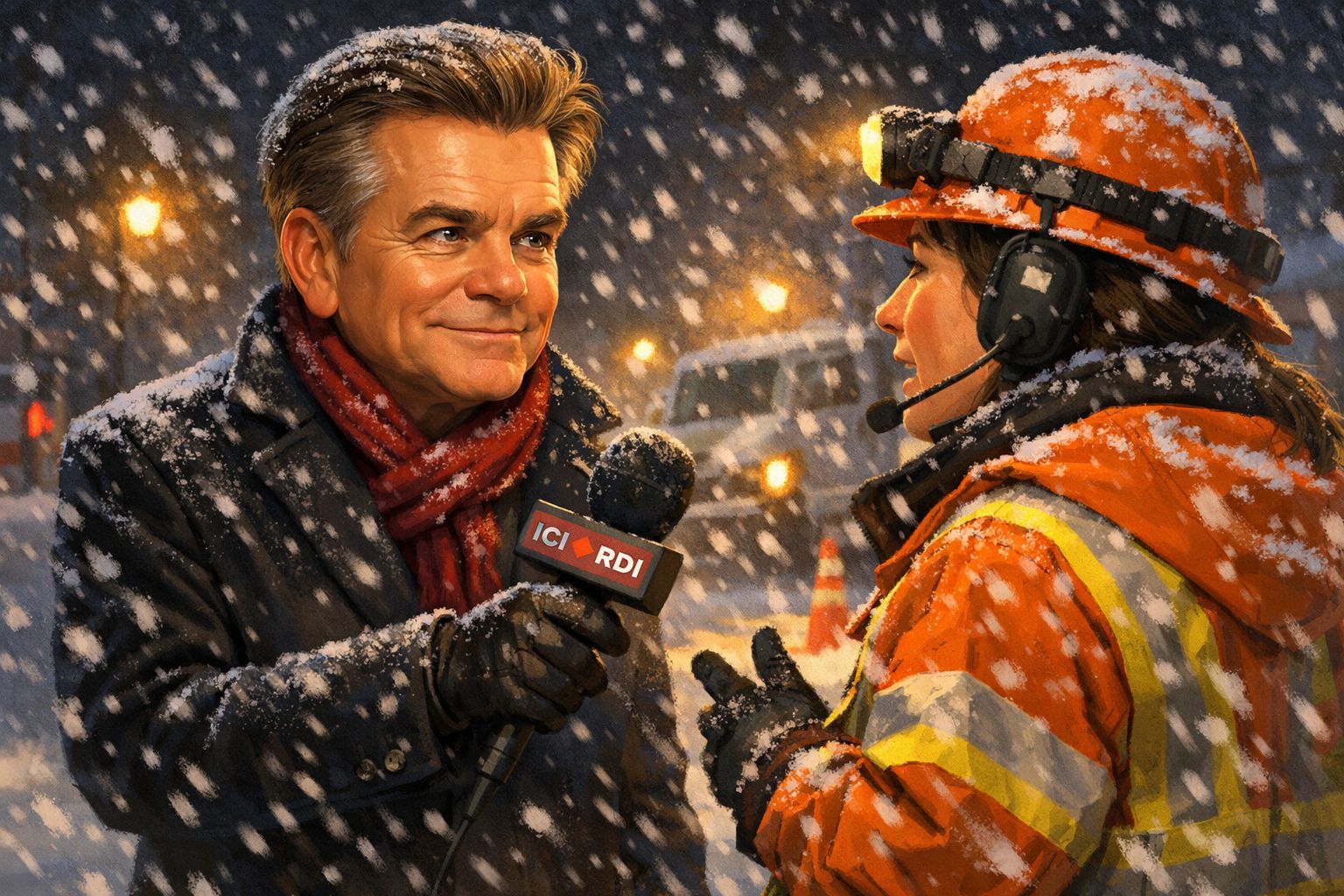
Admit it—we’ve all grumbled at the sight of our street still covered in snow early in the morning. But do you have any idea what’s really going on out there while the city sleeps? In Montreal, nearly 3,000 employees are hard at work clearing that snow. And let’s be blunt: they’re fed up.
News anchor Patrice Roy spent a night with them, and the conclusion is clear: the public’s impatience weighs heavily on them. Marie-Claude Gagnon, a team leader with the City for over 25 years, makes no secret of her bitterness. For her—who started in 1999 and loves her job—hearing the constant criticism is simply “annoying.” It’s become so burdensome that she even admits to sometimes feeling embarrassed to say she’s a blue-collar worker. Yet, as she points out, everyone here is dedicated to their work. But good will isn’t always enough when faced with the reality on the ground.
Why is it taking so long? (Hint: it might be us)
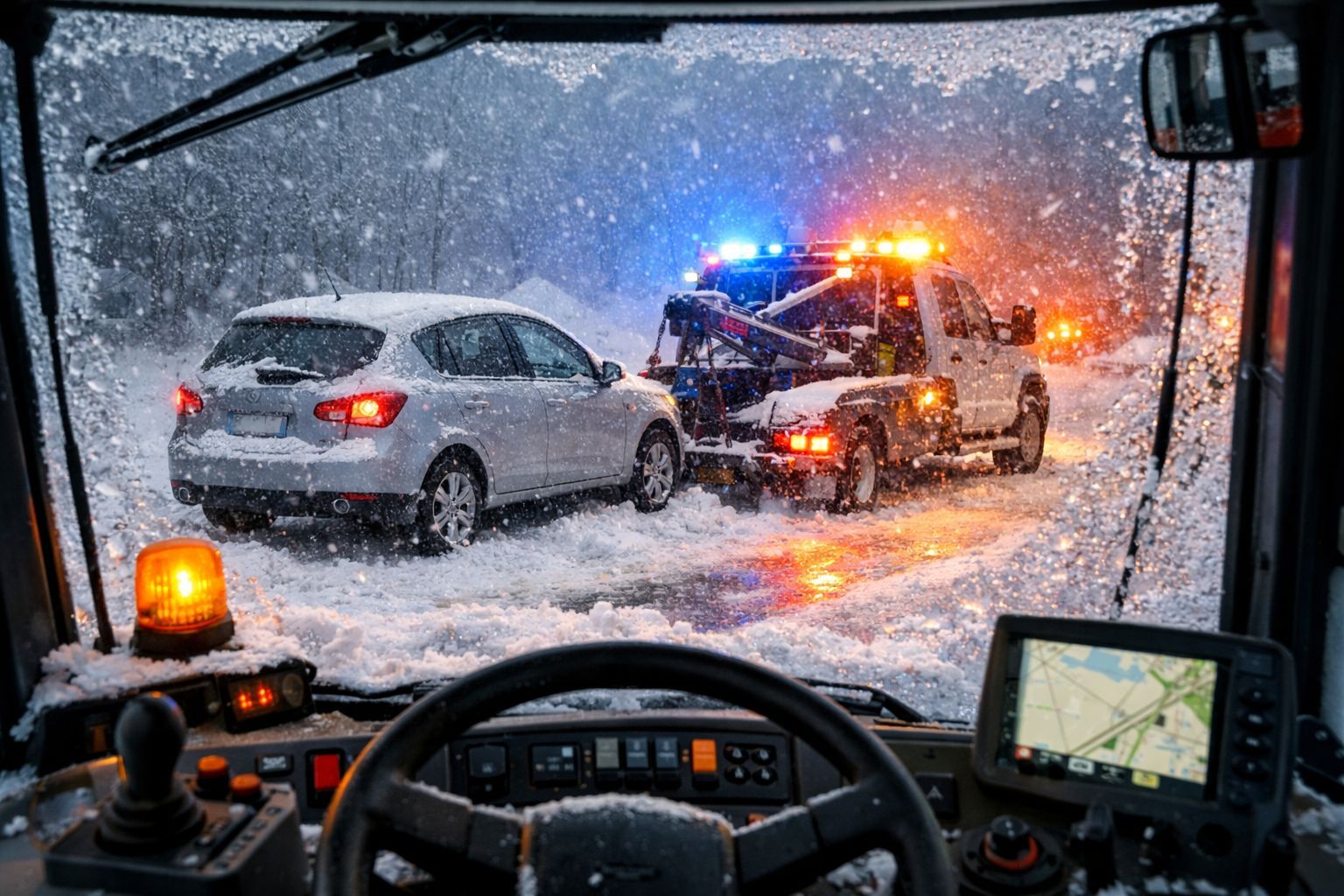
So, what’s holding things up? Marie-Claude Gagnon puts her foot in it: we, Montrealers, are often the first obstacle. It’s a classic scenario: we look out the window, see the flashing lights approaching, and only then do we decide to get dressed to move the car. The result? The entire operation comes to a standstill.
The numbers are staggering. Steve Tremblay, a tow truck driver, explains that he has to tow between 15 and 20 cars every night. Each time, this adds up to a 5- to 10-minute delay. Do the math over the course of a night—it’s enormous. In fact, during the first loading operation, an average of 91 vehicles were towed every hour across the city. Without citizens’ cooperation, productivity takes a hit.
And that’s not all. There’s also the slalom course around poorly placed trash cans and recycling bins that have to be navigated around or moved by hand. Even trickier: encampments of people experiencing homelessness. Teams must exercise extra caution, as these makeshift shelters are often heated by candles, creating a real risk of accidents.
When Mechanics and Weather Get in the Way
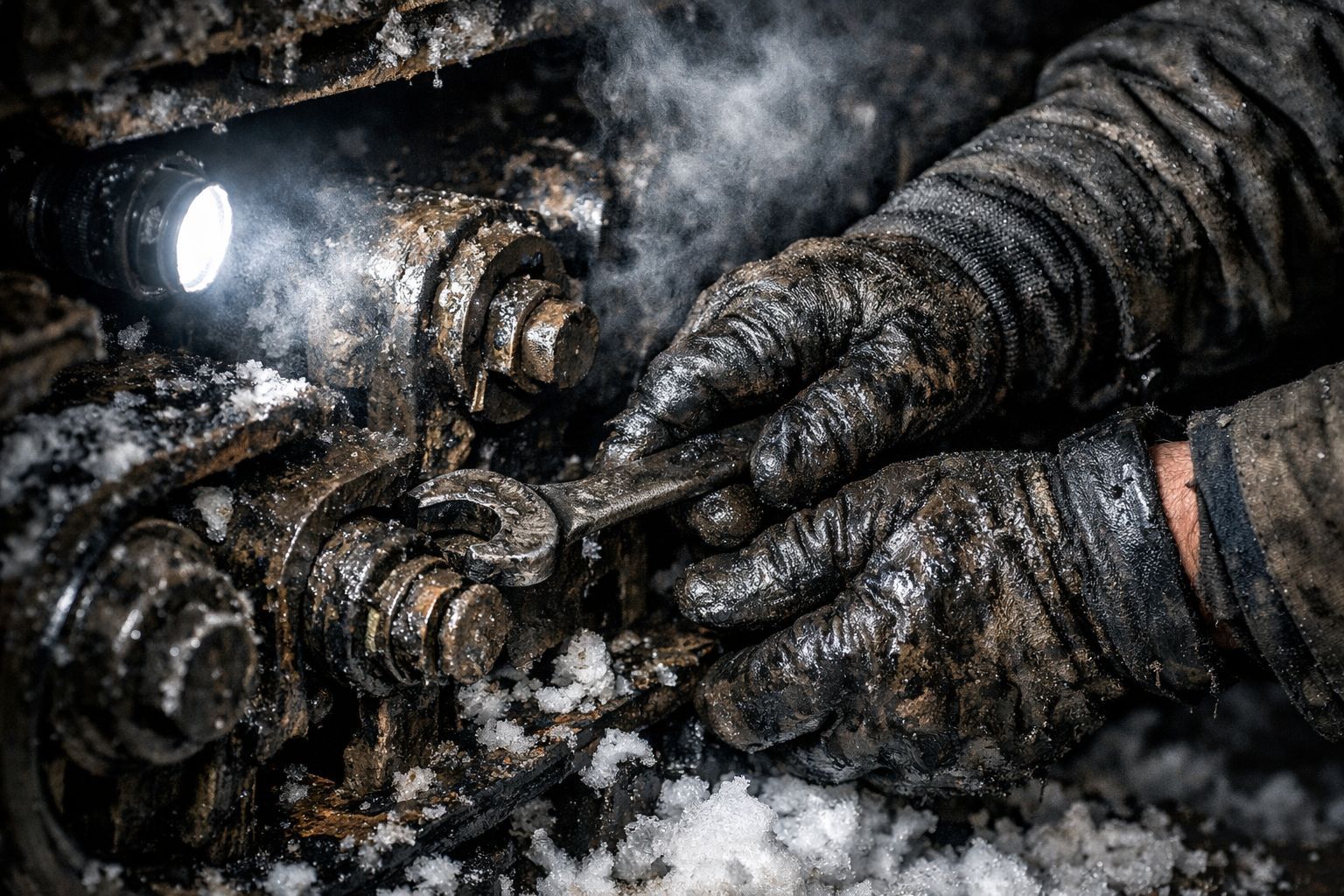
While people complicate the task, the equipment itself is showing worrying signs of wear and tear. Of the 1,285 pieces of equipment in the snow removal fleet, 300 are in poor condition. That’s nearly a quarter of the machines that, as the saying goes, “fall in the line of duty.”
Add to that climate change. Cycles of freezing and thawing, rain followed by a sudden drop in temperature… all of this creates ice as hard as concrete that damages the machinery. Despite everything, Daniel Paquet, a loader operator with nearly 38 years of experience, remains philosophical. For him, things are still better today: there are more operators and more equipment than when he first started.
The Mayor’s Admission: “There’s a major problem”

Faced with this reality, the political reaction was swift. In an interview with Téléjournal, Mayor Soraya Martinez Ferrada was candid: yes, there is a major equipment problem. She confirmed that 25% of the necessary equipment is missing. The examples she gave are chilling: in Montréal-Nord, all four salt spreaders are out of service. The same goes for the vehicles used to fill potholes: out of four, only two are operational.
“We can’t provide services with equipment that doesn’t exist,” she lamented, pointing to a lack of maintenance and reliability. But she was quick to pass the buck, blaming Valérie Plante’s previous administration for a lack of substantial investment in the boroughs.
Snow Removal in Montreal: What Really Happens at Night While You Sleep
This content was created with the help of AI.


