

A piece of plastic floating inside the skull
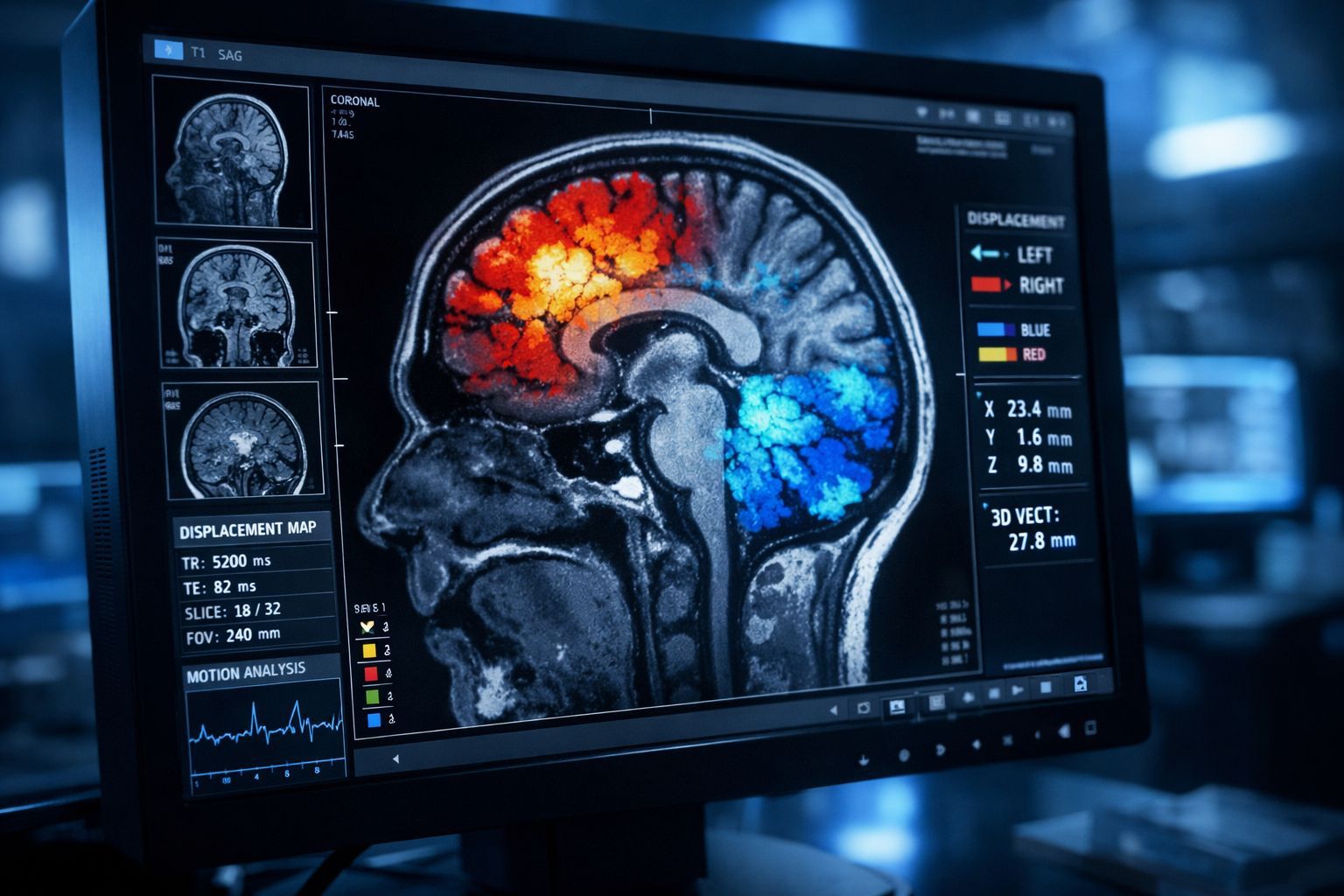
We’ve all heard the story: up there, in zero gravity, muscles atrophy, bones become brittle, and blood rushes to the head. But now imagine what’s happening inside your skull itself. This is the fascinating finding reported by researchers at MIT and NASA: in zero gravity, your brain doesn’t just stay put. It moves—and not just a little.
In a study published in the journal PNAS in January 2026, scientists analyzed MRI scans of 26 astronauts, some of whom had spent up to a year in orbit. The verdict? The brain doesn’t act like a rigid block, but like a malleable substance. Freed from gravity, it shifts backward, rises, and tilts slightly backward. To be precise, the researchers divided the brain into 130 distinct regions to track these movements. The result: the upper areas, particularly the motor cortex, shift by up to 2.5 millimeters in those who spend a long time in space. More concerning is that the deeper regions undergo a lateral shift, creating a sort of internal shearing. Basically, the brain reconfigures itself because the skull was never designed for the vacuum of space.
Why Astronauts Lose Their Balance Upon Return
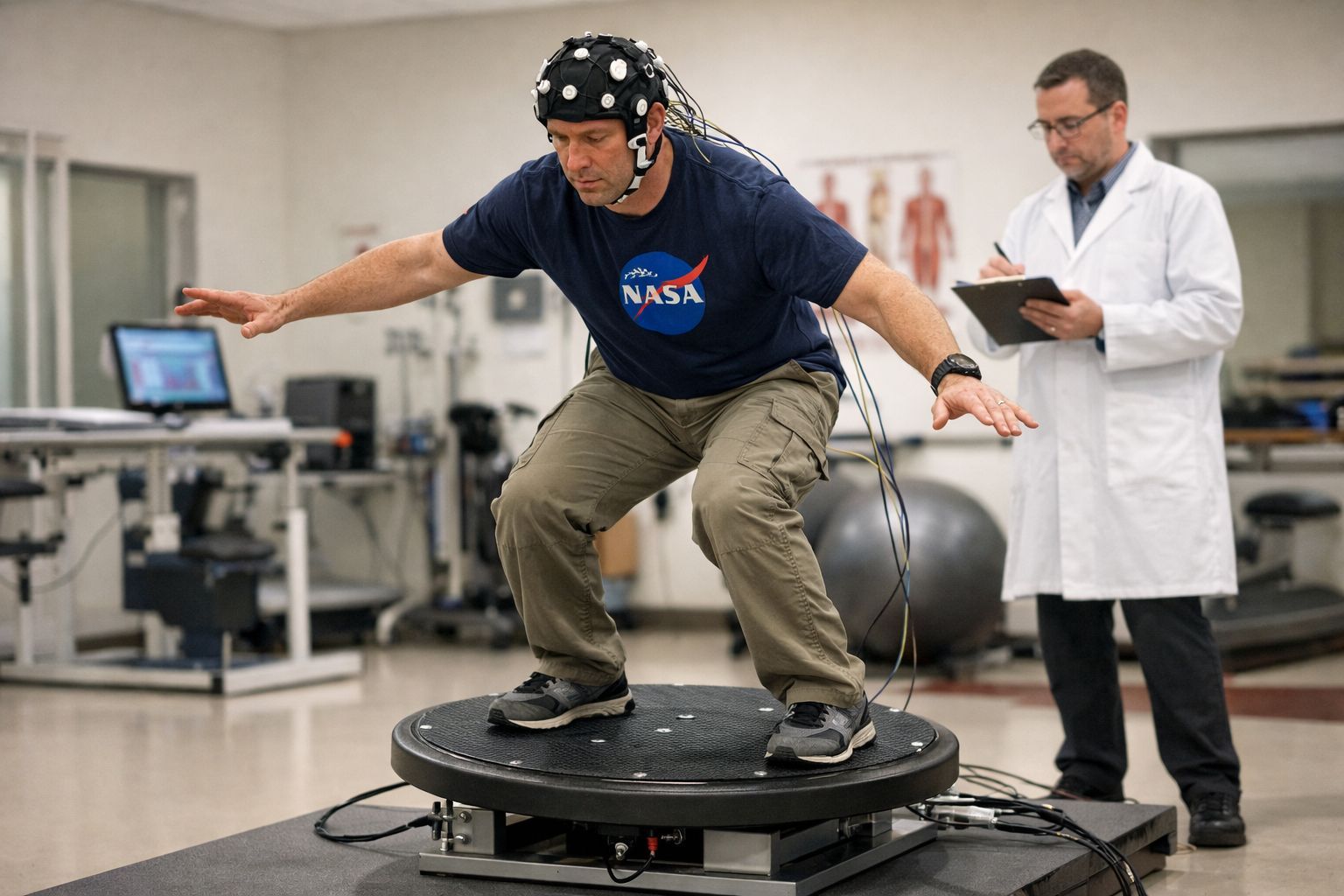
So, the brain shifts—so what? The problem is that this anatomical adjustment has an immediate impact on astronauts’ abilities. The team led by Rachael Seidler identified a direct link between these deformations and the clumsiness observed upon returning to Earth. It makes sense: up there, the information sent by the inner ear no longer matches what the eyes see. This sensory conflict forces the brain to adapt.
To measure this, the scientists used the SOT-5M test. The principle is simple: the subject is asked to move their head back and forth, with their eyes closed, on a moving platform. The astronauts whose brains had changed the most—particularly in the posterior insula—were also the ones who had the most difficulty standing upright. According to Space.com, these balance issues can disrupt returnees’ lives for a good week. But while the dizziness may pass, the traces left in the brain are more persistent.
Aftereffects visible six months later
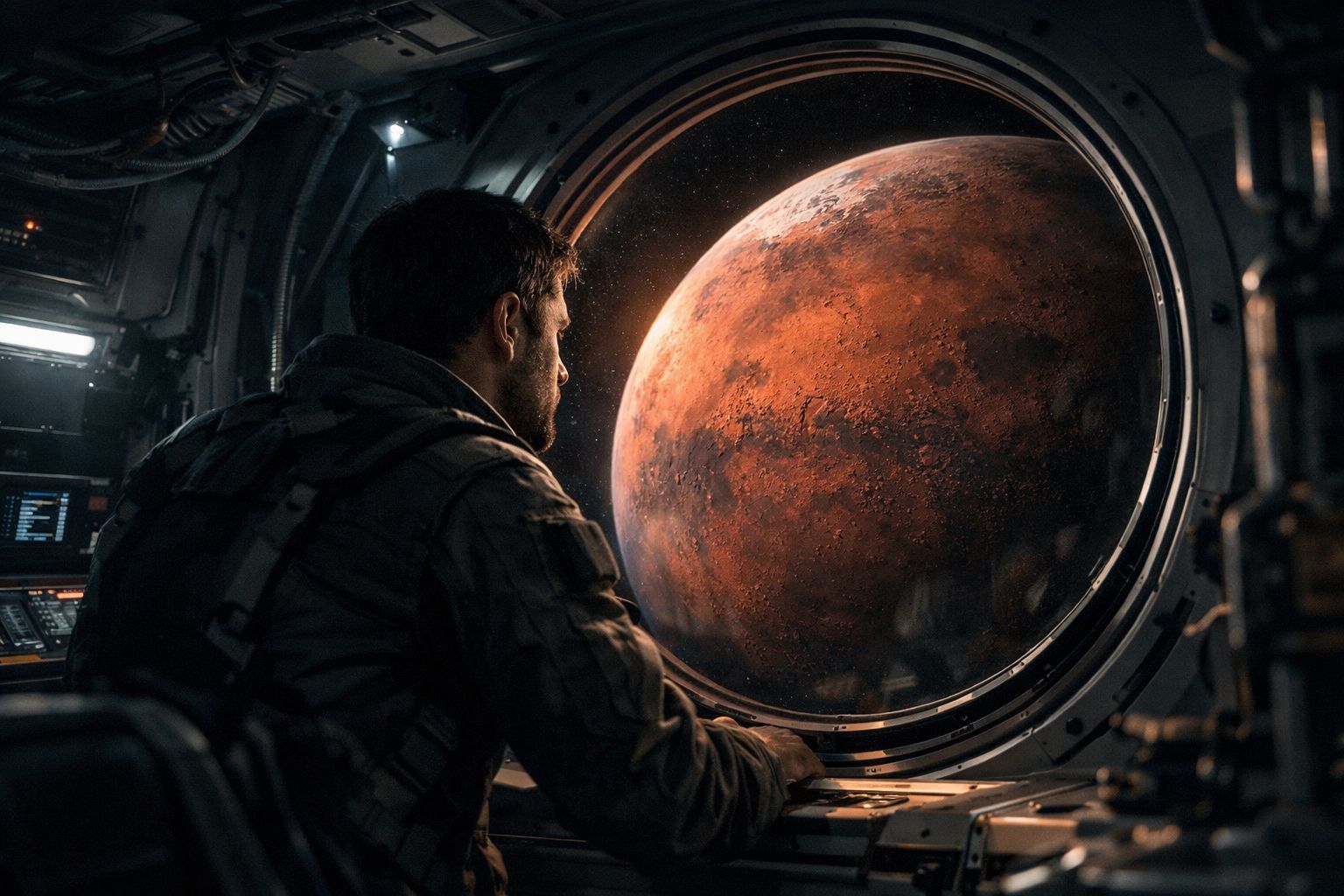
This is where the study becomes truly thought-provoking for the future of space exploration. MRI scans conducted six months after the astronauts’ return show that not everything has returned to normal. While some areas have reverted to their original positions, others have not. Recovery is partial and uneven. This proves that adaptation to microgravity is not just a temporary phase, but a profound remodeling that could affect other functions, such as the elimination of brain waste via drainage.
The researchers attempted to compare these results with those of 24 volunteers who remained bedridden on Earth with their heads tilted (the standard protocol for simulating weightlessness). Surprise: it doesn’t really work. On Earth, the brain mainly shifts backward, whereas in space, it shifts distinctly upward. Furthermore, attempts at countermeasures—such as creating daily artificial gravity—did nothing to alter the observed deformations. As we set our sights on the Moon and Mars for much longer journeys, understanding how to protect our most precious organ has become an absolute priority. The human body is resilient, to be sure, but space seems determined to push it to its absolute limits.
Space Physically Distorts the Brain: What Really Happens to Astronauts
This content was created with the help of AI.


