

Behind the Scenes of the Aquatic World
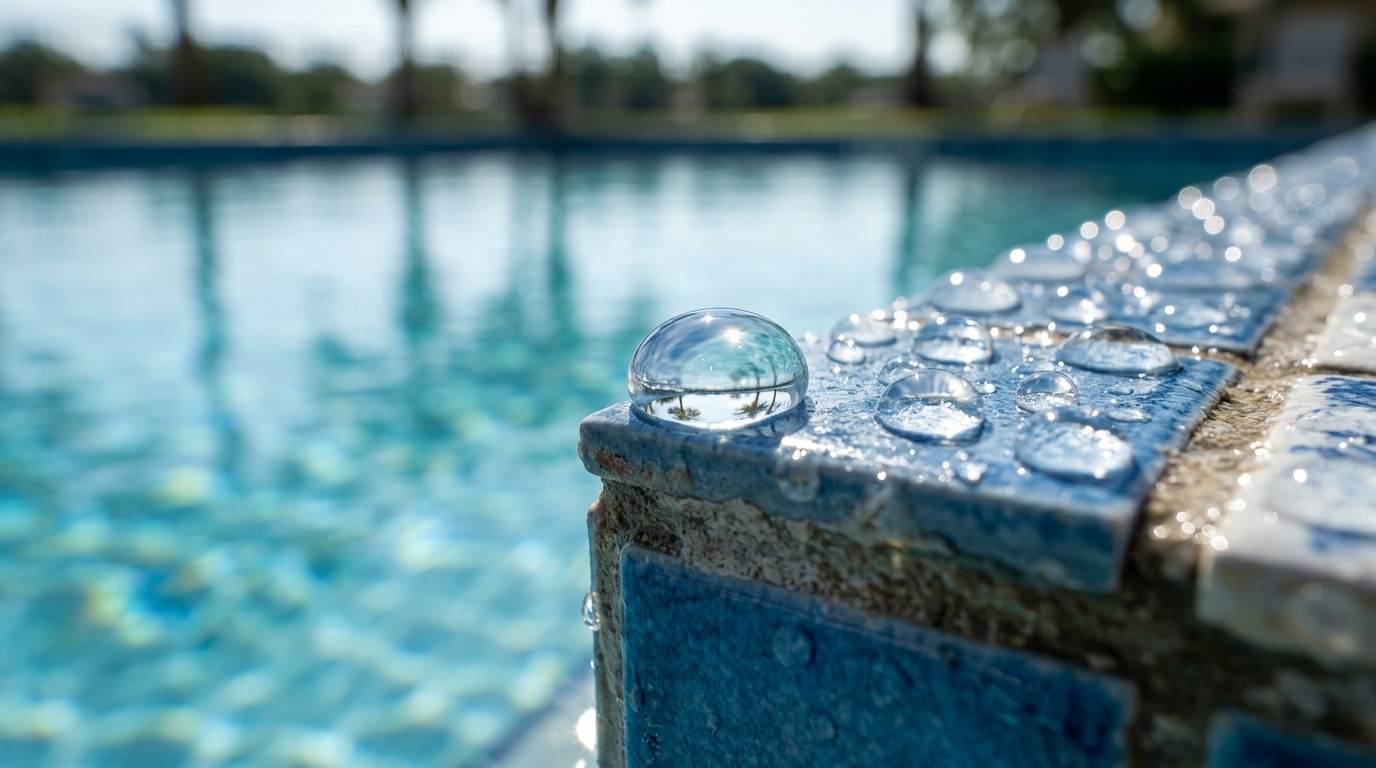
The Illusion of the Smell of Chlorine
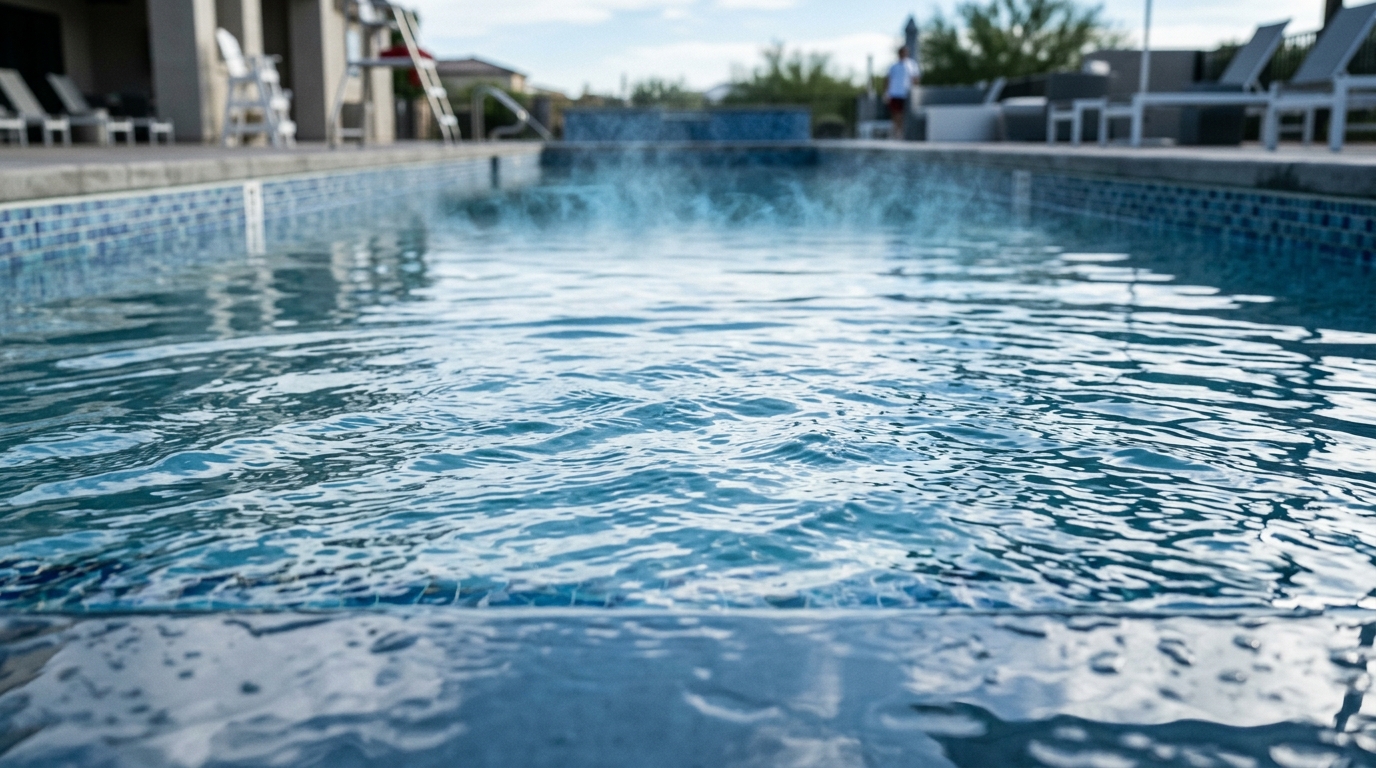
Among these compounds, trichloramine is subject to special monitoring due to its presence in the air, suspended just above the surface of the pools. The intensity of the odor is a direct indicator of a high concentration of these substances. This process also explains the frequent question: “Why do my eyes sting at the pool?” The real culprits behind this eye irritation are chloramines, not chlorine itself.
The Respiratory Tract on the Front Lines

People who spend several hours a week in swimming pools are, understandably, on the front lines. Scientific studies have shown an increased risk of respiratory problems among competitive swimmers as well as among professionals who work daily in swimming pool environments. In answer to the question “Are chloramines dangerous?”, experts confirm that, with high exposure over the long term, they can irritate the respiratory tract and contribute to certain lung conditions in those most exposed.
The Specific Impact on Children

This observation sheds light on another legitimate concern: “Are children more sensitive to chloramines?” The answer is yes, precisely because their still-developing respiratory tracts make them significantly more vulnerable to the irritants present in the air of swimming pools. The goal, however, is not to give up swimming lessons or water activities, but rather to choose facilities that are properly maintained and well-ventilated.
The Specific Case of Asthma

Identifying an Unsuitable Environment
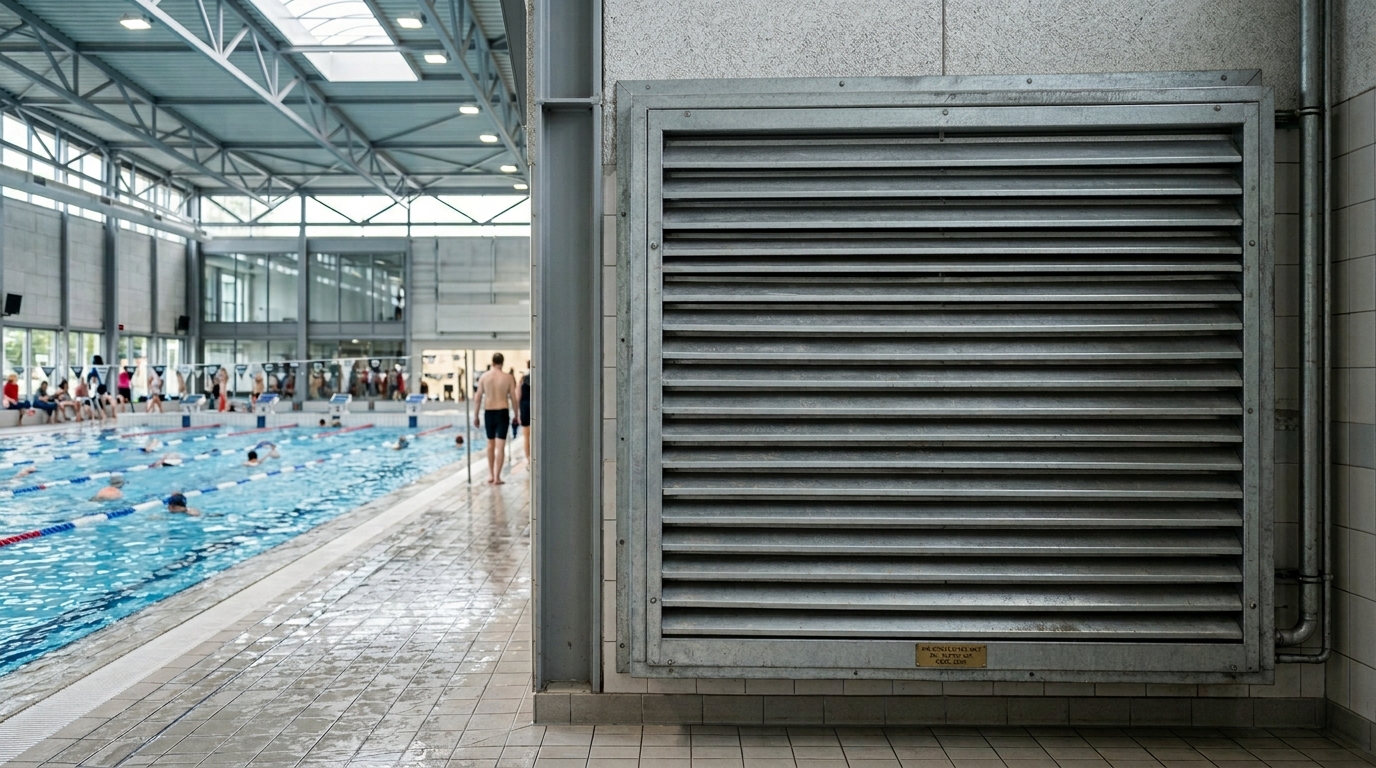
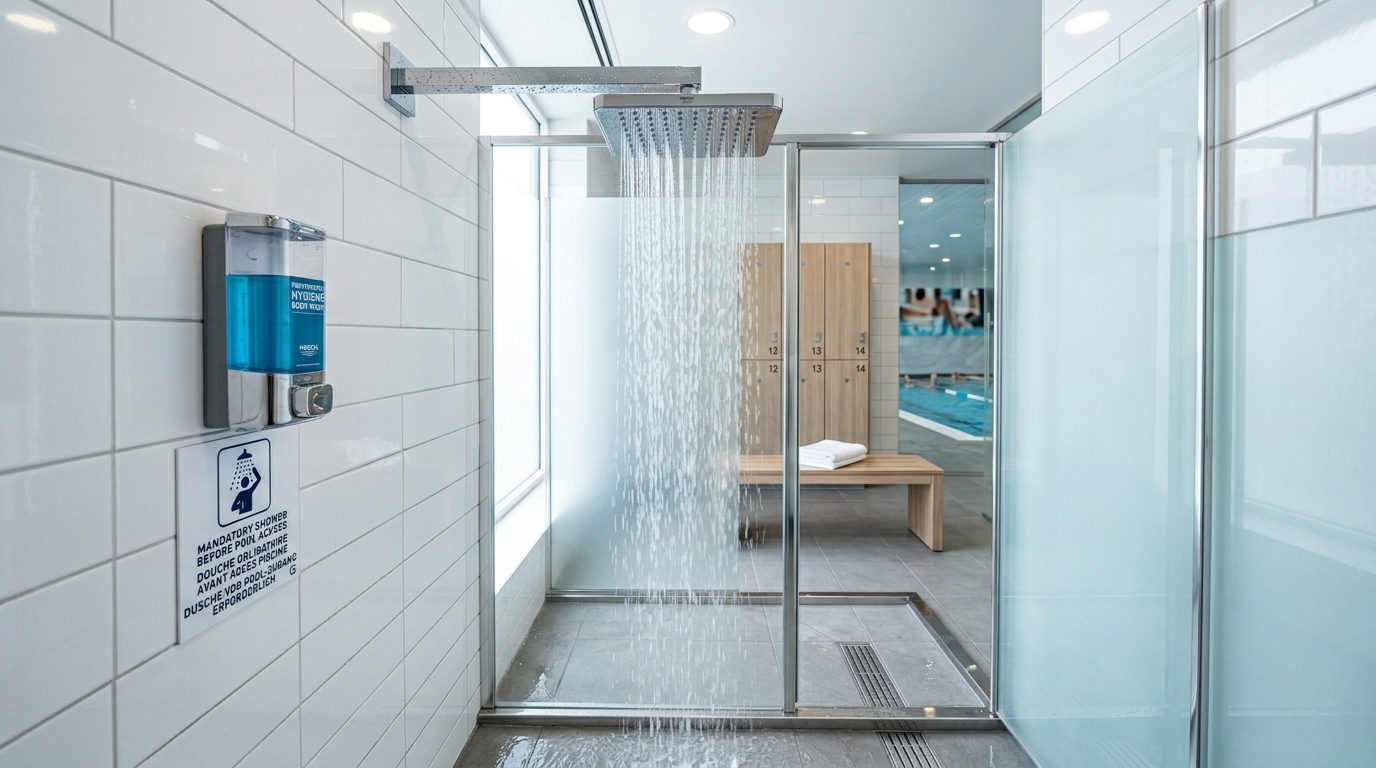
Strategies for a Stress-Free Experience
Source: passeportsante.net
Swimming Pools and Respiratory Health: The Invisible Danger Lurking Above the Pools
This content was created with the help of AI.


