

When Fear Freezes Hearts
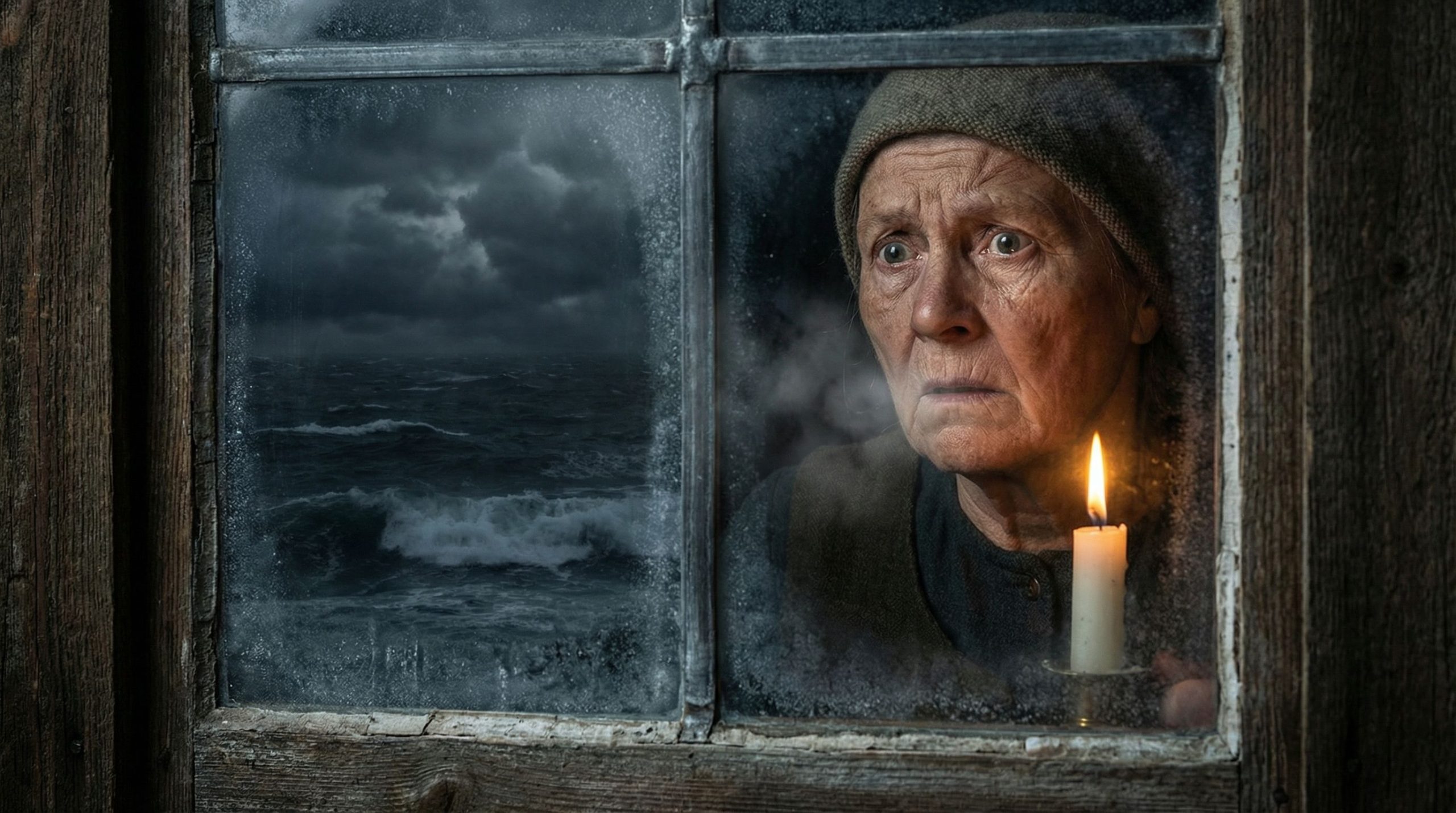
This was not merely justice; it was an implacable mechanism—a grinding machine fueled by superstition, state violence, and, let’s be frank, a healthy dose of social manipulation. It all began with a tragedy at sea on Christmas Eve, which transformed grief into a witch hunt of unprecedented violence.
The Christmas Shipwreck of 1617: The Tipping Point
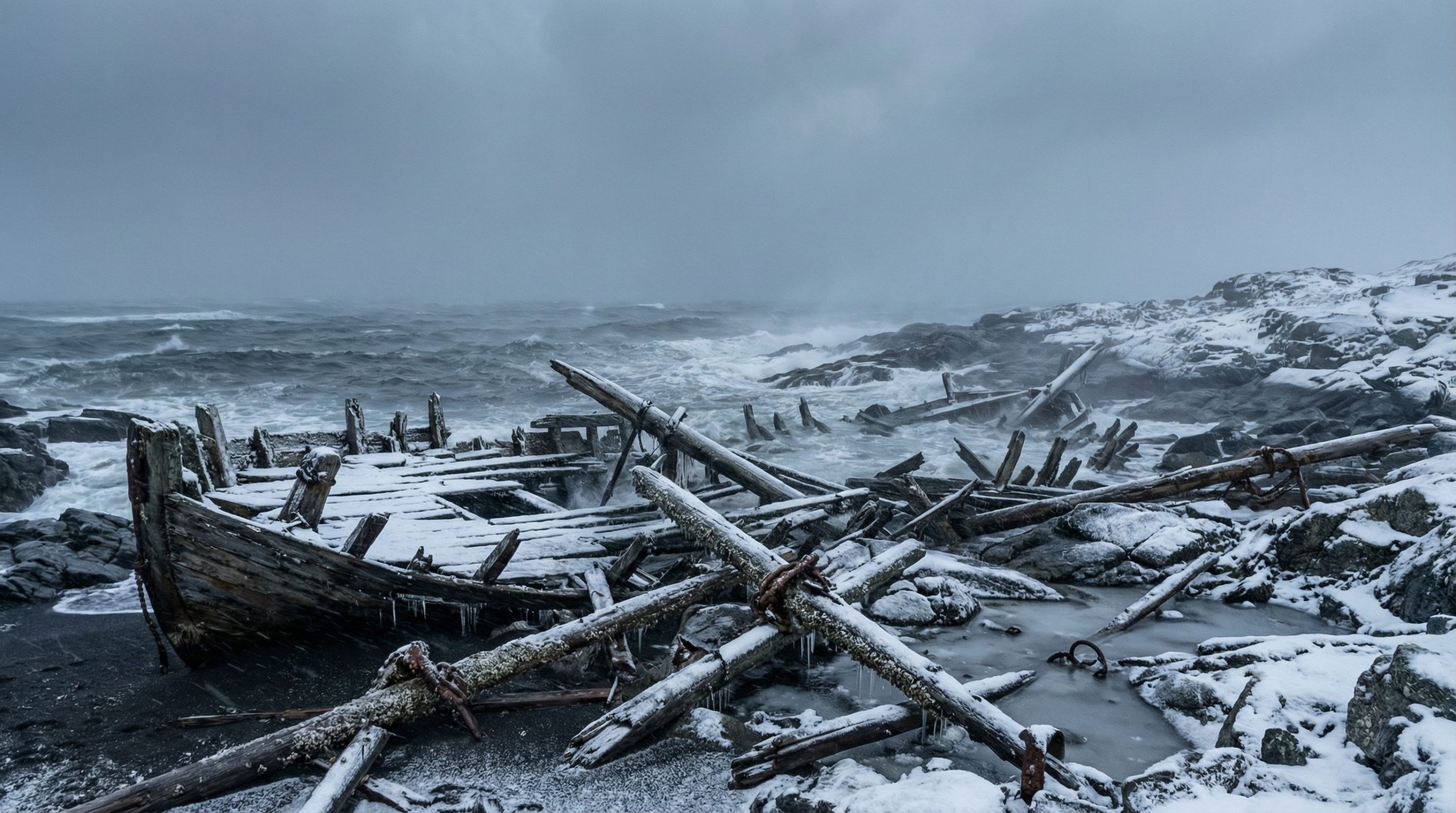
It all began on Christmas 1617. In the fishing villages of Vardø and Kiberg, life was harsh, governed by the whims of the Barents Sea. On that day, a storm of sudden and violent intensity struck the coast. The toll was catastrophic: nearly half the village’s male population was swept away by the waves. Fathers, sons, husbands… gone in an instant.
For the villagers, such a catastrophe could not have been natural. It was too sudden, too cruel. As Smithsonian Magazine points out, this tragedy served as a catalyst. In these remote regions, the line between the real and the supernatural was, how shall we put it… rather blurred. Historian Liv Helene Willumsen reminds us, in fact, that at the time, a persistent belief circulated throughout Europe: people literally thought that hell lay hidden beneath the ice of the Far North.
Suspicion turned toward minority groups, particularly the Sami, who were often associated with magic and mystery. People were looking for a culprit, someone to blame for this cursed weather. The pain of grief turned to suspicion, and that’s when the horror truly began.
The judicial spiral and waves of terror
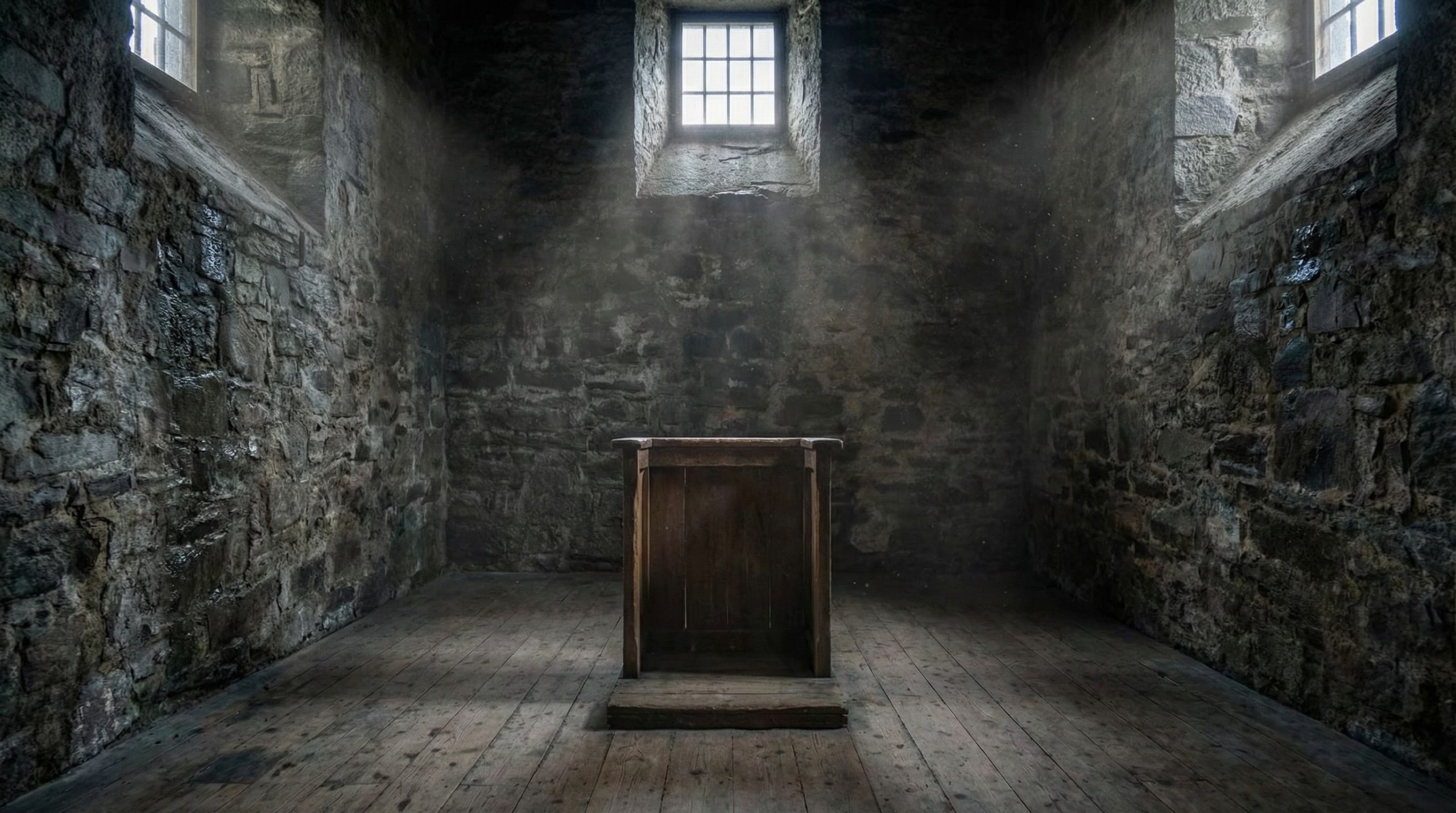
The very next day after the tragedy, the machinery began to turn. The royal judiciary, under the influence of King Christian IV’s decrees, decided to crack down. It was a Scottish governor, a certain John Cunningham, who would orchestrate this crackdown beginning in 1620. Inspired by the witch hunts he had witnessed in his native Scotland, he used the trauma of the shipwreck to justify the unjustifiable.
The trials unfolded in three major waves of panic. The first, launched in 1621, claimed twelve victims. Among them was Elsebe Knudsdatter. Her story is spine-chilling: under torture, she eventually confessed to tying “magical knots” to unleash the winds. She was burned at the stake. It is terrible to think that these confessions were simply the result of physical suffering.
The madness resurfaced between 1652 and 1653, this time targeting so-called “perverse femininity.” But the worst may have come during the final wave, in 1662–1663, which culminated in twenty executions. The horror then reached a new level: children were targeted. Ingeborg Iversdatter, a young girl, confessed—no doubt terrified—to having turned into a cat to dance with the devil on Christmas Eve. As reported by Life in Norway, fear had ultimately infected even the innocence of childhood.
Conclusion: From the Stake to the Light of Memory
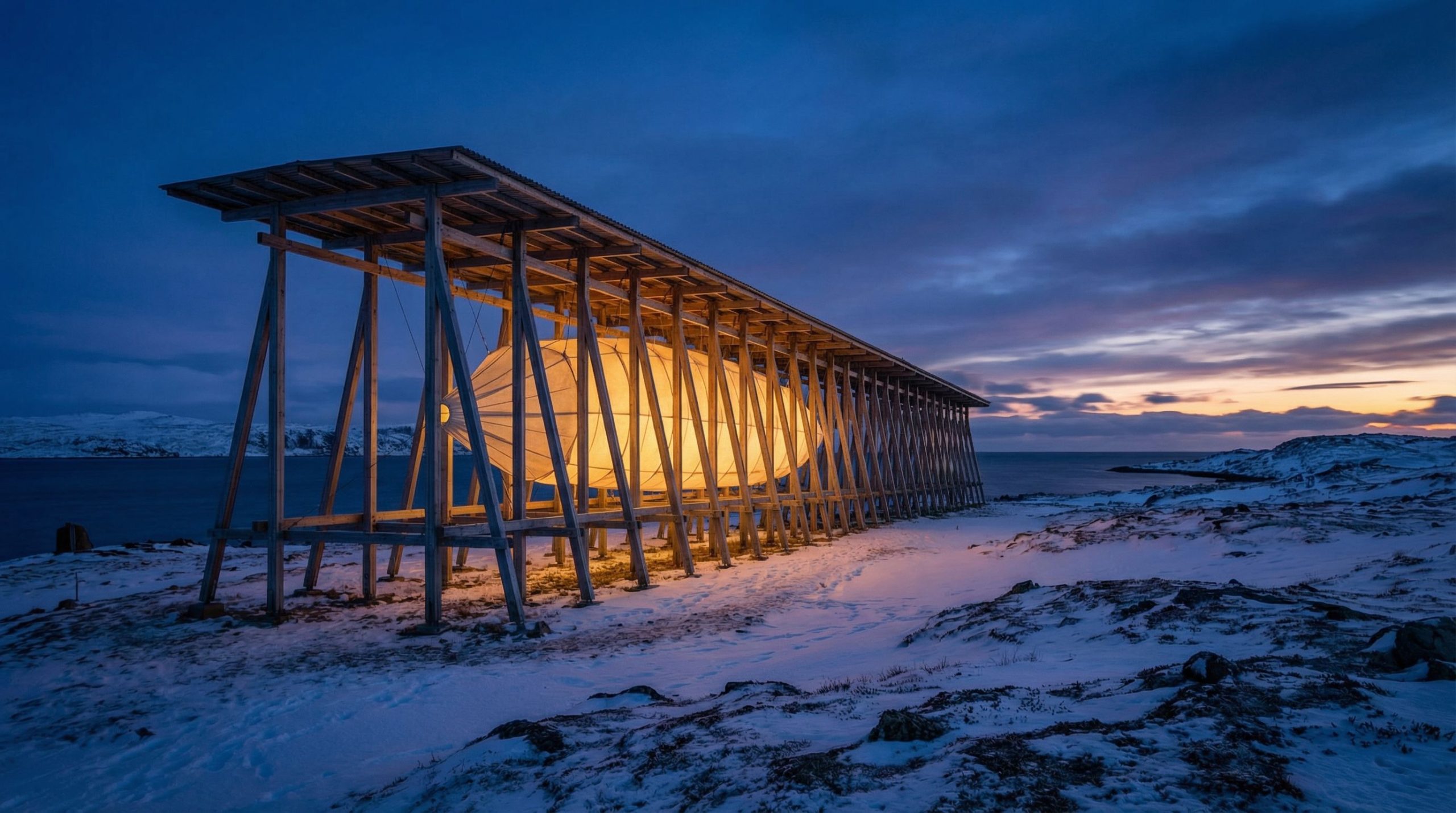
Yet it would take a long, very long time for Norway to face this past head-on. It wasn’t until 2011 that a memorial was unveiled in Vardø: the Steilneset Memorial. It is a poignant work designed by architect Peter Zumthor and artist Louise Bourgeois. Imagine a long gallery of fabric, suspended facing the sea, punctuated by 91 light bulbs. Each small light illuminates a plaque telling the story of a victim, with texts written by Liv Helene Willumsen. It is a way, I suppose, of restoring a face and dignity to these lives stolen by human folly.
The Christmas shipwreck that opened the gates of hell in Norway
This content was created with the help of AI.


