

The Buried Mystery of Camino del Molino
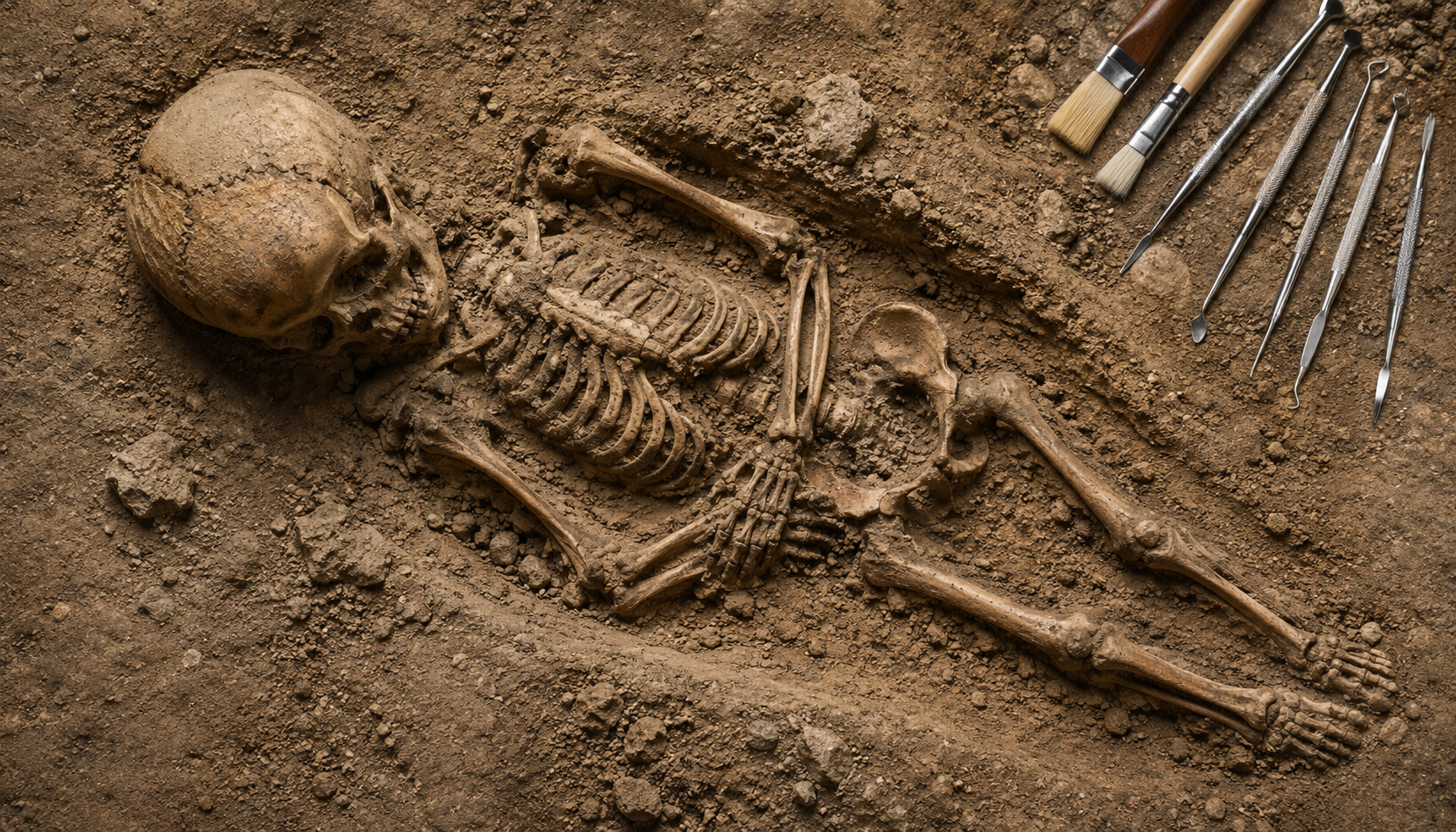
A new study published in the International Journal of Paleopathology examined this archaeological treasure trove following years of meticulous excavations and analyses. This work offers a rare opportunity to examine skeletal changes associated with respiratory diseases. Scientists can thus accurately assess the impact of these conditions—which may include tuberculosis—on the health and survival of children during that distant period.
A Silent Pandemic Etched in Bone
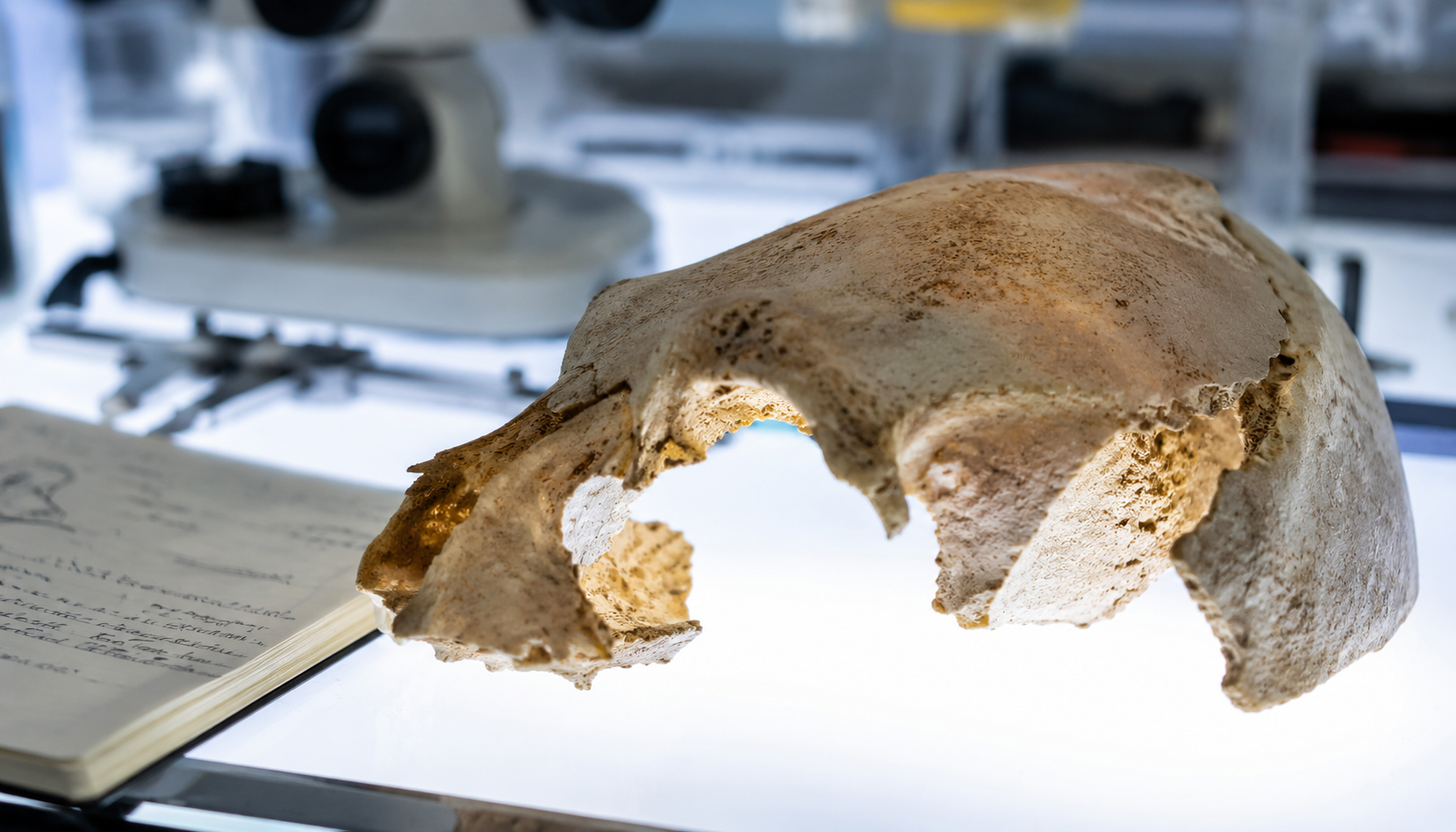
The exceptional preservation of such a large number of complete children’s skeletons allowed the research team to identify patterns across entire bodies, rather than being limited to fragments or isolated bones. The results of this analysis are staggering. Of the 48 individuals examined by the team, 92% exhibited at least one bone abnormality directly associated with a disease.
Among this heavily affected group, approximately 67% showed both signs of porous bone—primarily localized in the skull and leg bones—and changes linked to infections associated with respiratory diseases. Dr. Sonia Díaz-Navarro, the lead author affiliated with the University of Burgos, elaborates on the nature of these observations. “The pattern we observe likely reflects a broader burden of recurrent or prolonged respiratory disease rather than a single pathogen,” she explains.
The Ages of Vulnerability and the Environmental Trap
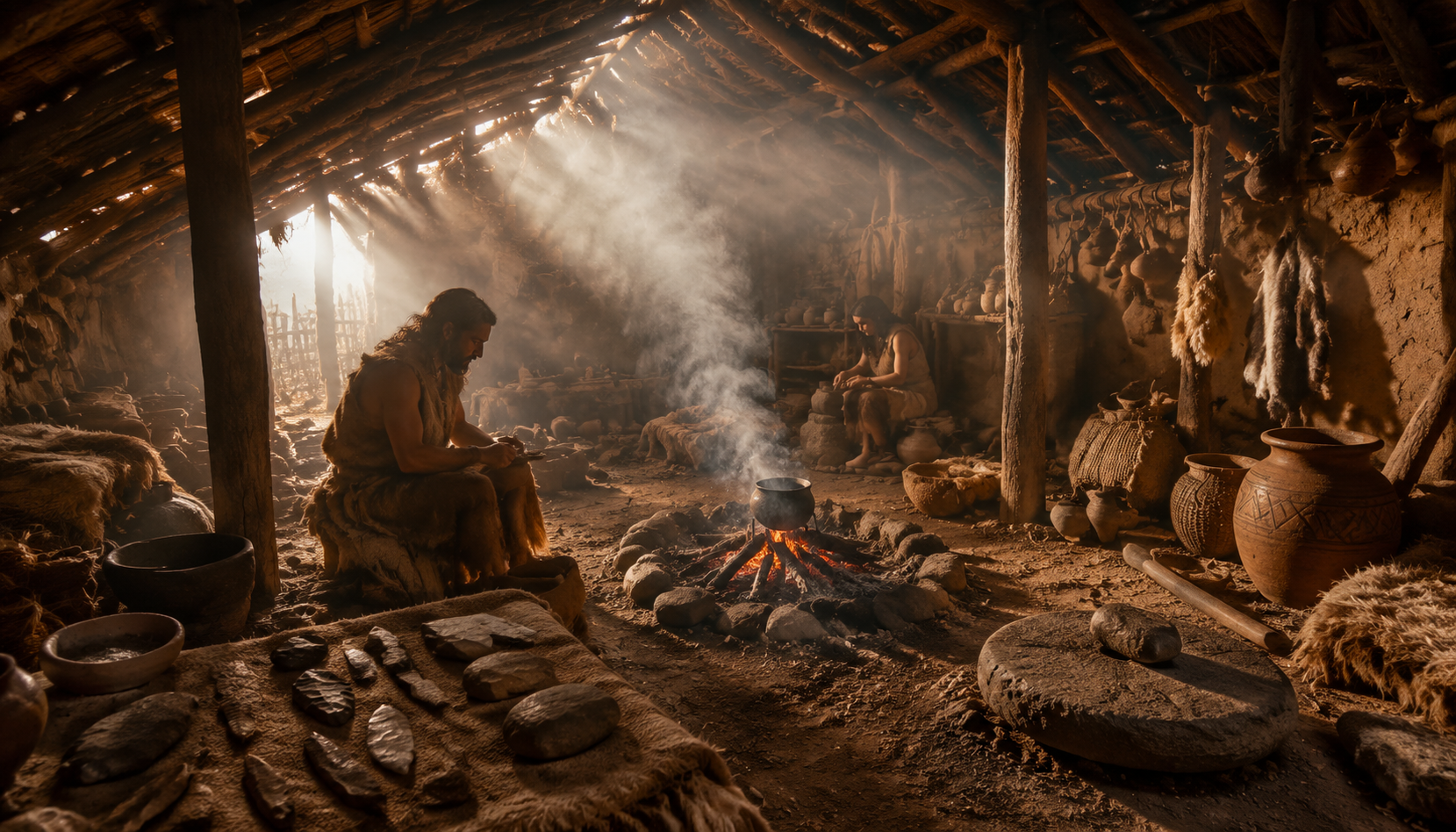
The daily environment of this prehistoric community played a central role in the spread of respiratory illnesses. Dr. Díaz-Navarro details these harsh living conditions. “Children living in the settlement would also have been exposed to many of these same environmental factors: indoor smoke, dust, organic particles from crafts and food processing, close contact with animals, and potentially zoonotic pathogens,” the researcher states.
Absolute Equality in the Face of Death
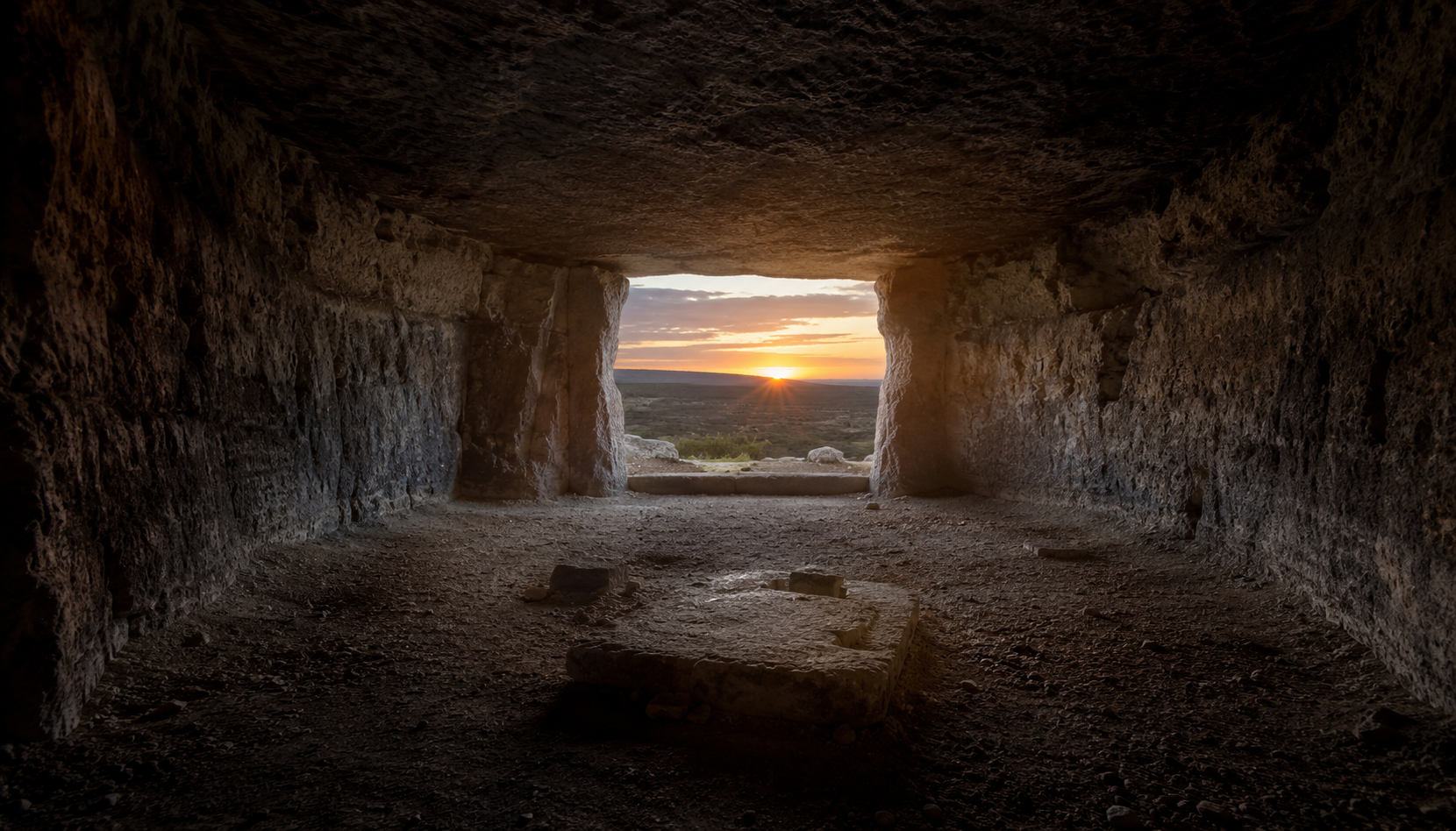
In the face of illness and death, the community of Camino del Molino appears to have adopted an approach marked by profound equality. According to Dr. Díaz-Navarro’s observations, individuals showing obvious signs of severe illness were not buried any differently from their peers. Funeral rites did not vary at all based on the deceased’s state of health at the time of death or the suffering they endured.
“The available evidence suggests that individuals received the same general mortuary treatment regardless of their pathological condition,” states Dr. Díaz-Navarro. The inclusion of all community members, with no apparent exceptions, in this vast circular communal grave highlights a social structure that was uniquely inclusive toward disability or extreme physical pain.
This uniformity in funeral treatment becomes particularly meaningful when one observes the anomalies present in the skeletons. “This is especially significant because Camino del Molino includes individuals with highly visible or significant conditions,” the researcher explains. Among the remains exhumed from the burial cave were individuals who had undergone a complex surgical procedure on the skull, known as trepanation. Archaeologists even identified the remains of a person with dwarfism, buried alongside the other members of the group without any spatial or ritual distinction.
Next Steps in Understanding Our Ancestors

These upcoming investigations will not only provide a more precise list of diseases in circulation but also shed light on how age, gender, social roles, and diet may have directly influenced living conditions. The extent of this health crisis among the youngest members of the population raises questions about the rest of the population. “We still need to understand whether similar patterns existed among adults, and whether certain groups were more exposed or more vulnerable,” says Dr. Díaz-Navarro, setting the course for future excavations.
The current study paints a grim picture of childhood illness and mortality on the Iberian Peninsula during the Copper Age. Despite this finding of great vulnerability, Dr. Díaz-Navarro concludes by highlighting a deeply human social dimension of these ancient peoples. “Illness, disability, or unusual physical conditions did not necessarily lead to exclusion or distinct burial practices,” she says. Readers wishing to explore this monumental work in depth can consult the article titled “Porous skeletal lesions and respiratory infection-related changes in Chalcolithic non-adults: A biocultural approach from Camino del Molino (southeastern Iberia),” co-authored by Sonia Díaz-Navarro and her team. It was published in the journal International Journal of Paleopathology (2026), with further details available via the DOI: 10.1016/j.ijpp.2026.04.001.
According to the source: phys.org
The Mystery of the 48 Children: What a Mass Grave from the Copper Age Reveals About a 5,000-Year-Old Health Crisis


