

The Impact of Terrain on Physical Activity
Body Mechanics on an Unstable Surface
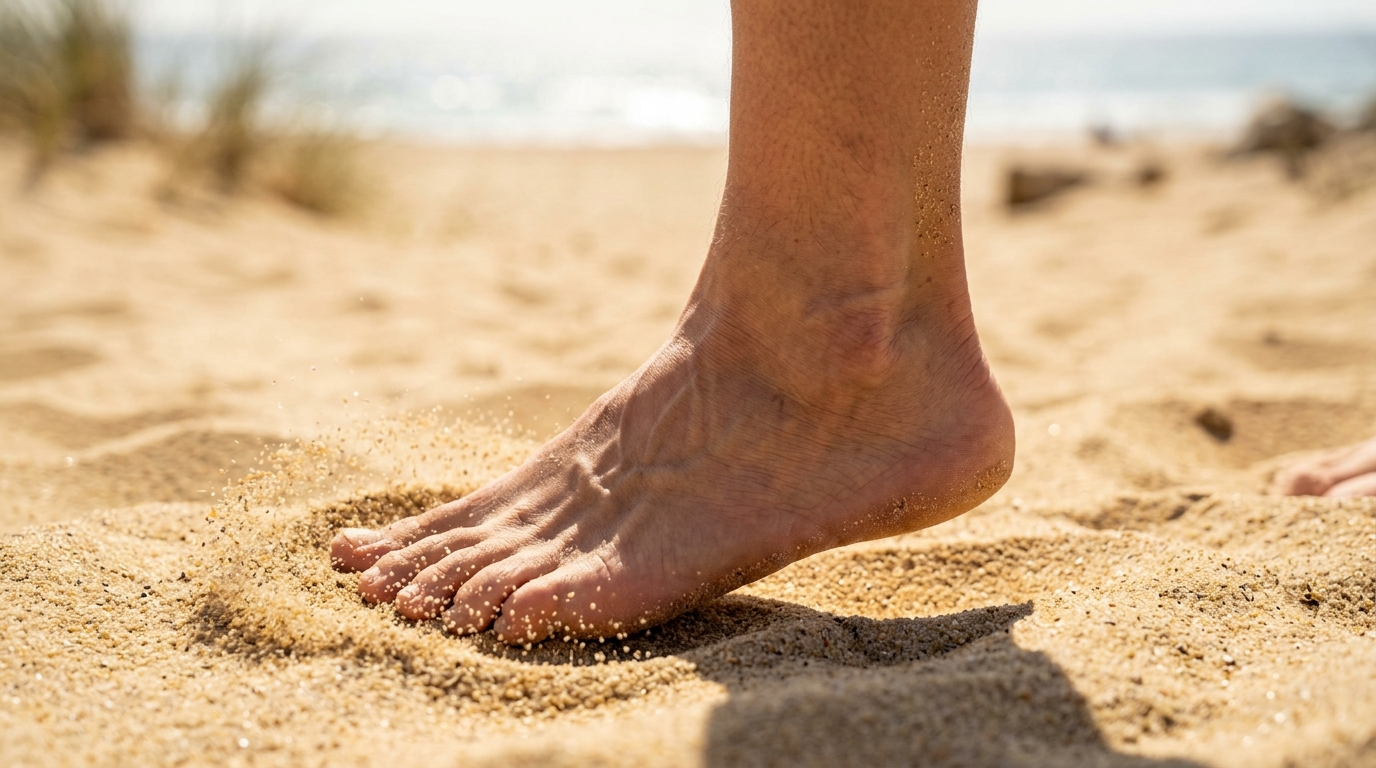
The main difference lies in the ground’s level of rigidity. Unlike paved paths or asphalt, sand is not a hard surface. With each step, the foot sinks slightly, causing a direct loss of some of the energy generated during the push-off phase.
Comprehensive and Targeted Muscle Strengthening
Calorie Variables and Choice of Surface
Scientific studies shared by physical activity specialists indicate that walking on sand can significantly increase calorie expenditure, burning up to twice as many calories as walking on conventional ground. This increase is due to the body’s constant struggle against the instability of the terrain, with each stride requiring more muscle contractions. However, the actual number of calories burned depends on age, weight, duration of exercise, and walking speed.
Recommendations for Safe Summer Exercise

However, some precautions are still necessary. It’s advisable to walk gradually, especially for those who aren’t used to this type of terrain. A 20- to 30-minute walk is often enough to feel the initial benefits without overloading your tendons or calves. Finally, it’s essential to follow summer safety guidelines during these walks: stay hydrated, wear a hat, use sunglasses, and apply adequate sunscreen.
Answers to Frequently Asked Questions About Beach Walking
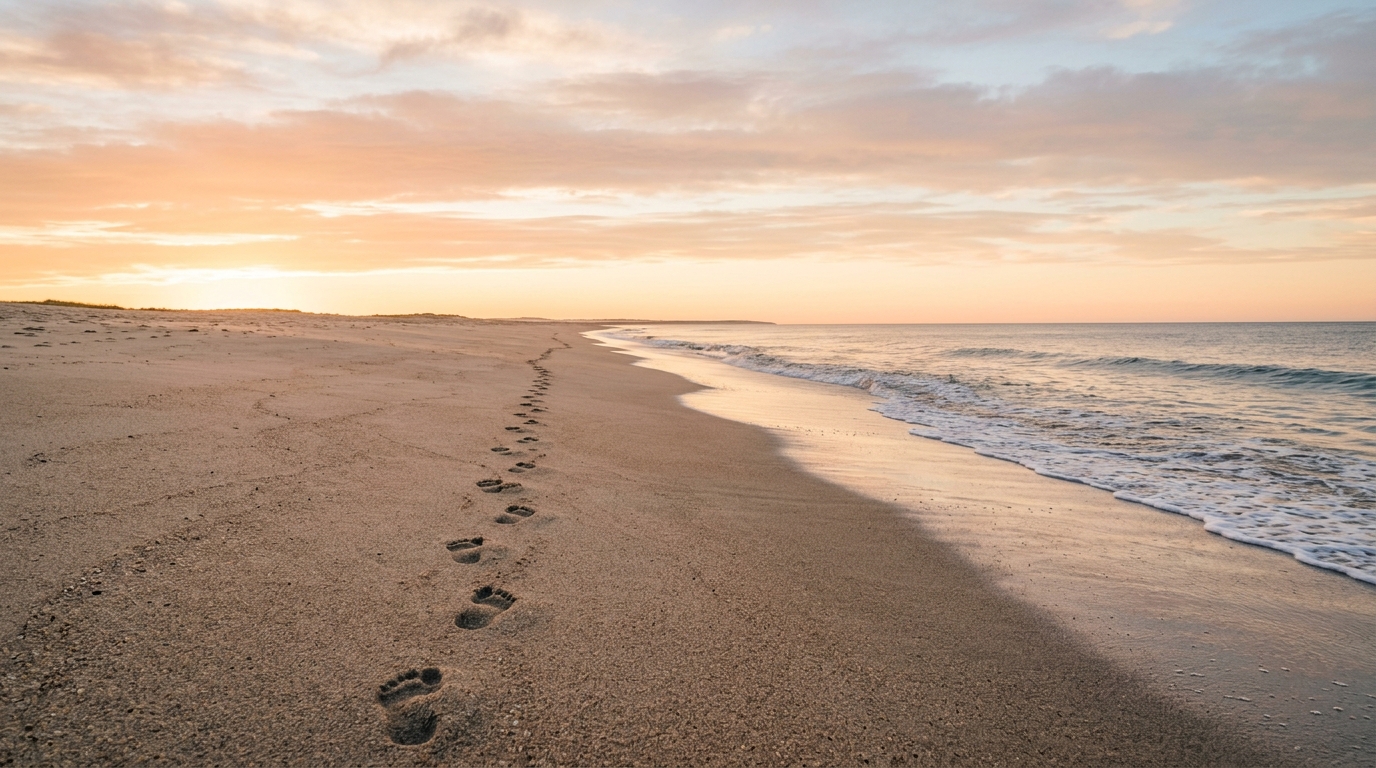
When people first learn about this activity, a common question arises: “Does walking on sand really burn more calories?” The scientific answer is yes. Since sand is inherently unstable, the body must exert more effort to move forward and maintain balance, which leads to increased energy expenditure.
When it comes to footwear, people often wonder: “Is it better to walk barefoot on the beach?” While walking barefoot does naturally strengthen the muscles of the foot, great caution is needed on surfaces that are very hot, rocky, or have sharp, uneven areas.
Finally, regarding the frequency of the exercise, the question is: “How long should you walk on the sand to feel the benefits?” Experts believe that a 20- to 30-minute session, done several times a week, is already enough to provide a greater workout for the muscles and the cardiovascular system.
Source: passeportsante.net
Walking on Sand: An Effective Way to Burn Calories
This content was created with the help of AI.


