

A Lust That’s Got People Talking
Donald Trump has once again managed to shake up the diplomatic world. With his rather aggressive views on Greenland, he left everyone perplexed this week. Even though he seems to have backtracked since then, the episode did raise a question that many are quietly asking themselves: How can the world’s largest island belong to Denmark, a country that’s minuscule by comparison? It’s a fascinating story, and believe me, it’s a bit more complex than a simple real estate deal.
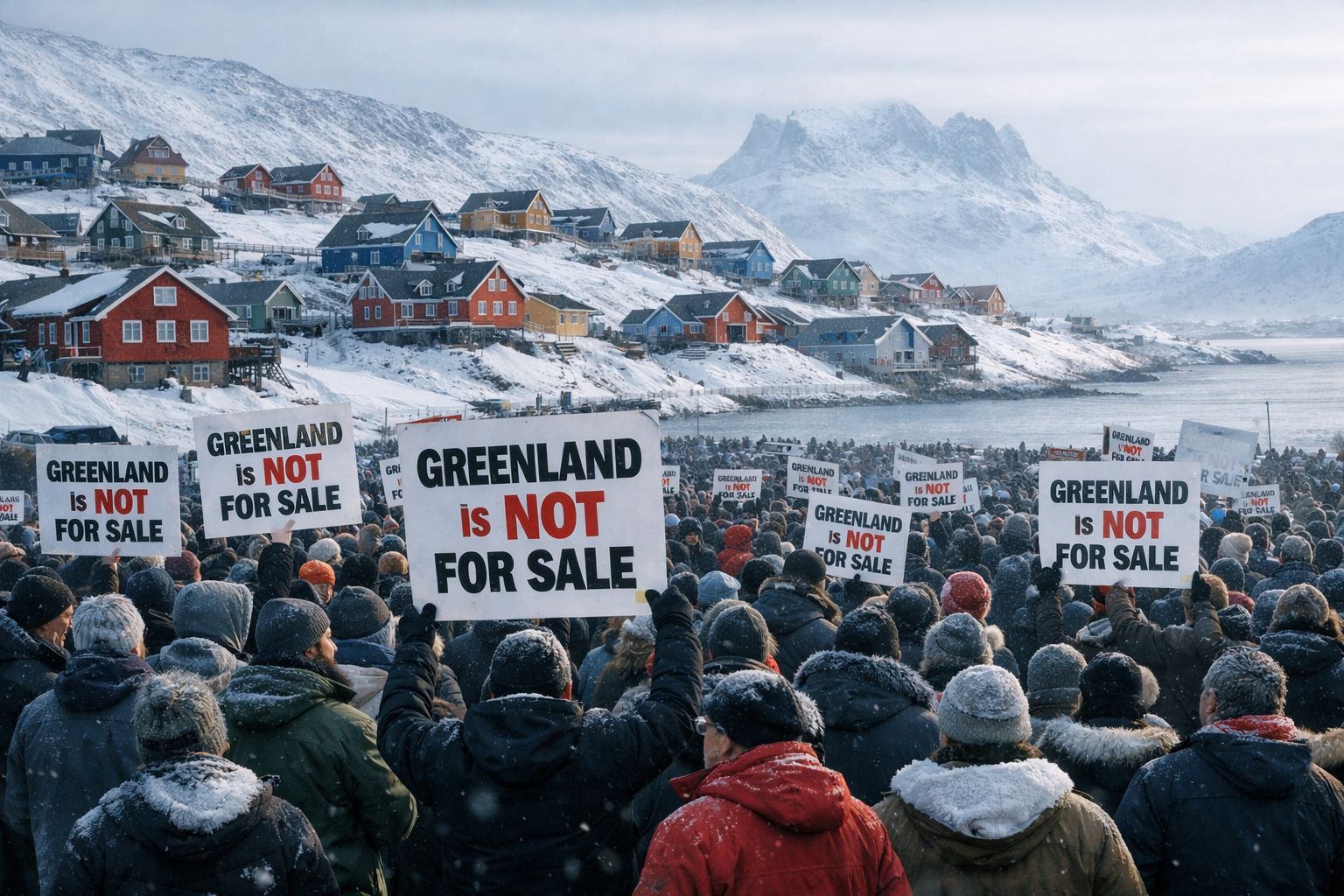
The reaction was immediate. Imagine the scene in Nuuk on January 17, 2026: nearly a third of the city’s population took to the streets. Signs read “Greenland is not for sale!” in protest against the proposed U.S. purchase. But Trump, true to form, stood his ground. He even sent a series of text messages—yes, text messages—to the Norwegian prime minister to challenge Denmark’s claim to sovereignty.
His argument? Rather sketchy. According to him, “Just because the Danes landed there on a boat 500 years ago doesn’t mean they own the territory.” ” He adds, with his characteristic confidence, that there are no written records and that “we also had ships that landed there.” Except that history—the real history—blithely contradicts this simplistic version. The Scandinavians were there long before the 1500s.
Vikings, murders, and a brilliant marketing ploy
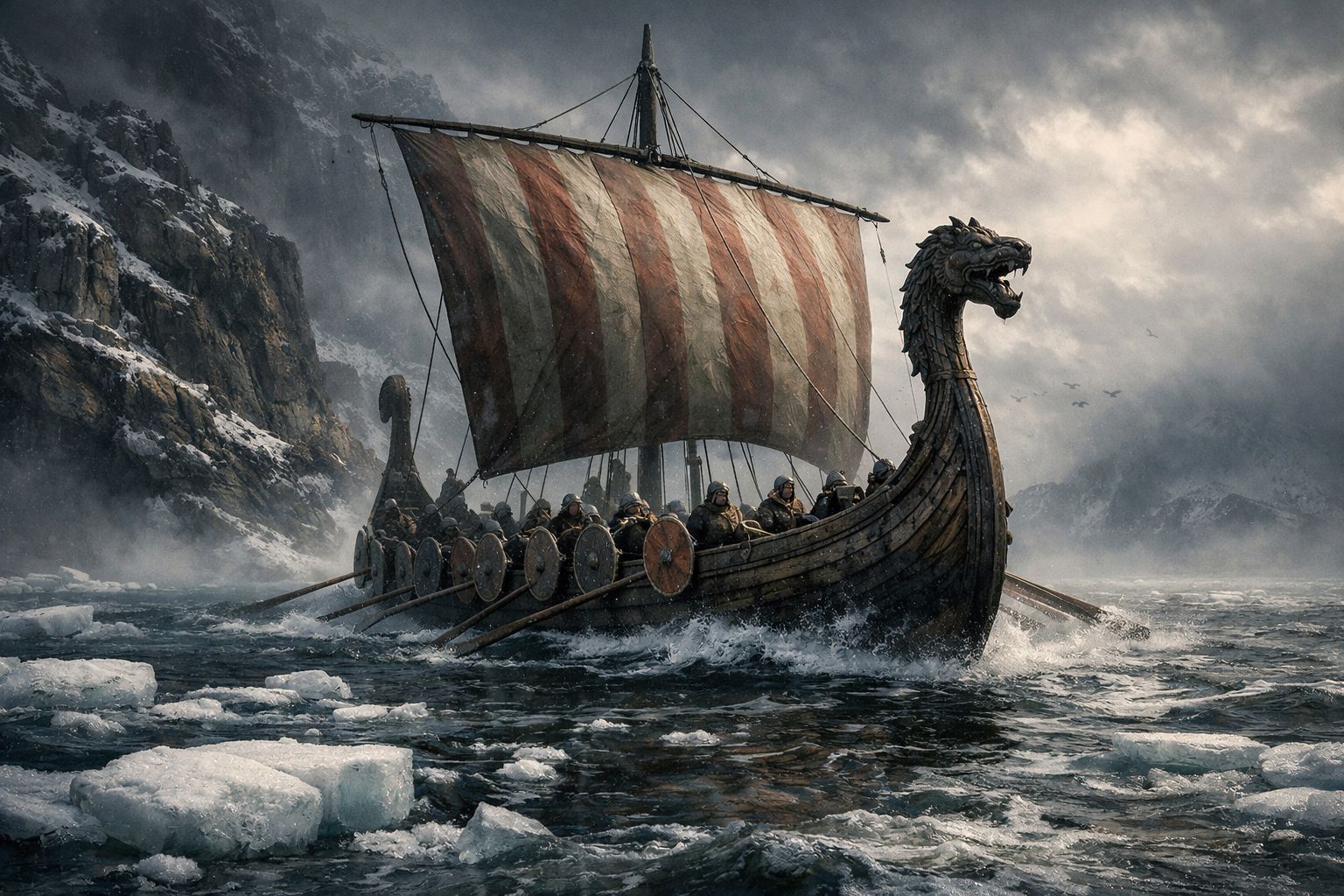
To understand, we have to go way back. Between the late 700s and the year 1000, the Vikings were restless. They left Scandinavia in their longships, spreading terror in France and England, and pushing their explorations as far east as Russia. To the west, they founded cities like Dublin and York. Why did they leave? Simple: they lacked fertile land at home, explains Danny Lake-Giguère, a historian at the University of Montreal. And then, let’s face it, there was that thirst for adventure and the lure of wealth.
This is where the Scandinavian sagas come into play—these tales that straddle the line between history and legend. It all begins around 960 with a certain Thorval Ásvaldsson. The guy was banished from Norway for murder—talk about drama—and went into exile in Iceland. His son, Erik the Red, clearly inherited his father’s fiery temperament, since he, too, was banished—this time from Iceland—for… murder as well. Unable to stay any longer, he set sail westward and stumbled upon a massive island.
It was here that Erik pulled off a marketing masterstroke, well ahead of his time. He named the place “Greenland,” even though 80% of the territory was covered in ice. He wanted to attract settlers, and it worked. They settled there in 983. This Scandinavian colony lasted a few centuries before mysteriously collapsing in the early 15th century. Erik’s son, Leif Erikson, would even venture as far as Vinland (Newfoundland). While the accounts are sometimes vague, archaeology doesn’t lie: at L’Anse aux Meadows, Parks Canada manages the only site that unequivocally proves a European presence before Christopher Columbus.
The Return of the Danes and the Kalaallit People
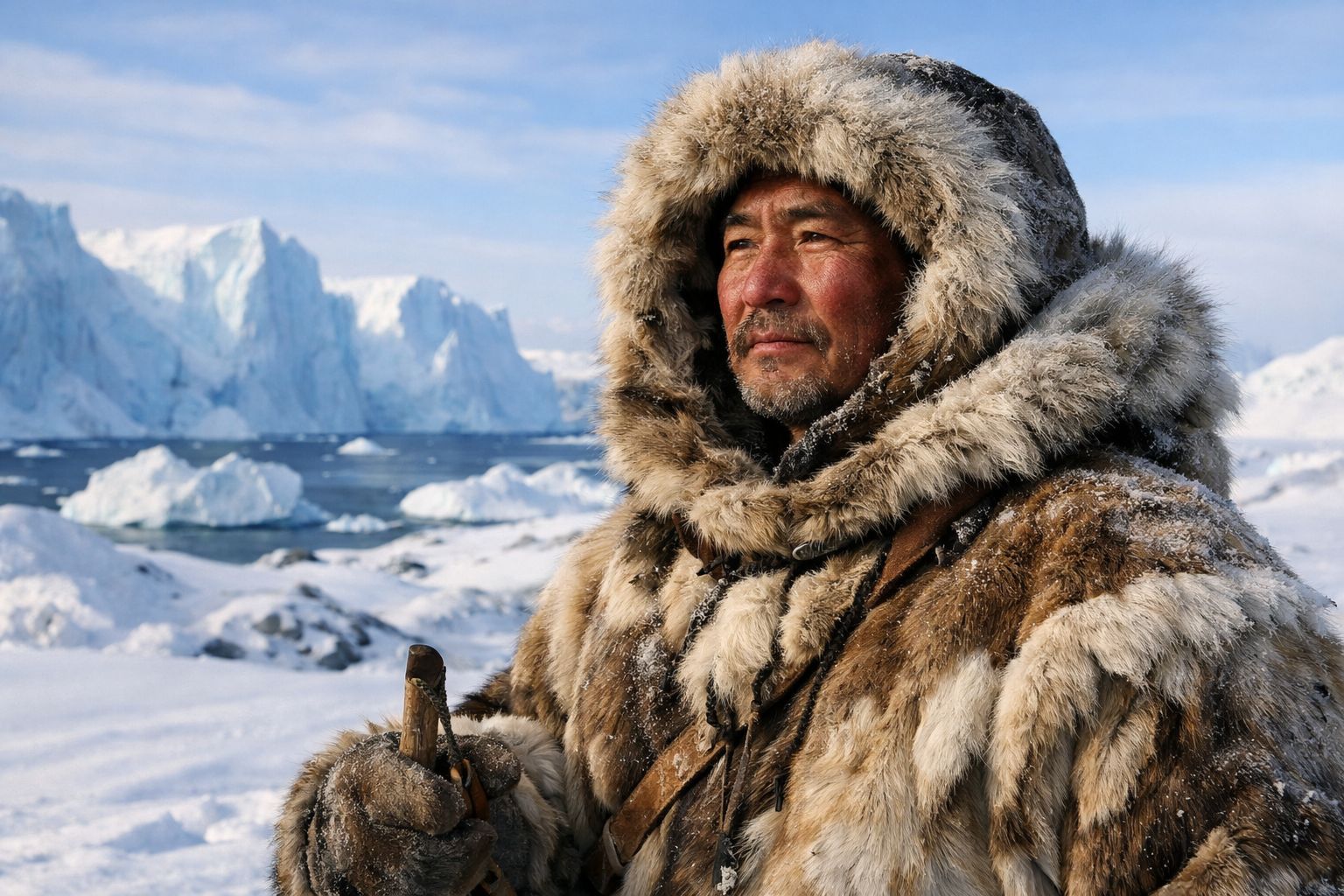
As the Vikings gradually disappeared, another people took root. Today, 89% of Greenlanders are Kalaallit, an Inuit culture related to that of Canada’s Far North. They arrived via the northern part of the island between 1200 and 1300. Unlike the Europeans, they knew how to cope with the cold. As Professor Louis-Jacques Dorais explains, these whalers moved southward as the climate cooled during the 14th and 15th centuries. There were encounters with the Vikings—sometimes skirmishes, sometimes marriages—according to oral tradition.
Greenland then fell into obscurity in Europe until 1721. That was the year Hans Egede, a somewhat stubborn Danish Lutheran missionary, arrived. He had heard legends about lost Vikings and wanted to find them. He secured funding from the Crown (Denmark and Norway had been united since 1397). Spoiler: he found no surviving Vikings. Never mind—he changed his plan and decided to evangelize the Inuit. That was the mindset of the time: Christianize and trade.
Denmark retained control over the island, even after its separation from Norway in 1814. Until the 1950s, Copenhagen imposed a strict trade monopoly. But things have changed. In 1979, and especially in 2009, the Greenlanders gained nearly complete autonomy. They are recognized as a people with a right to self-determination. Denmark now manages only defense and foreign policy. It is therefore far from being a mere “possession” as the term was understood in the Middle Ages.
More than just a big ice cube: a major strategic issue
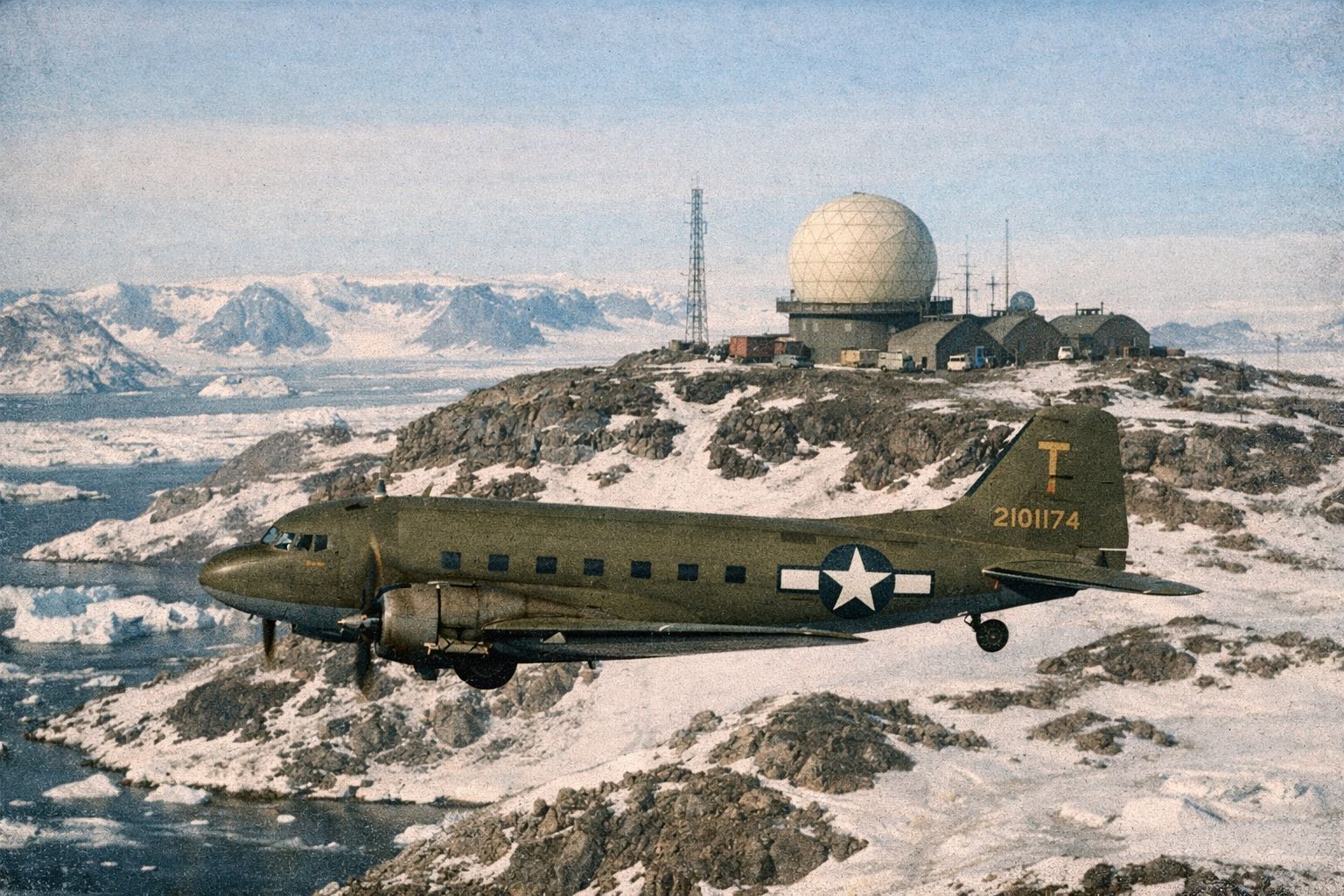
Why this sudden interest from the United States, really? It’s nothing new. On April 9, 1940, when Germany invaded Denmark in a matter of hours, panic set in. Greenland became vital. As Stéphane Roussel of the École nationale d’administration publique points out, there were fears that the Nazis would use Iceland and Greenland as stepping stones to reach North America.
Why does this ice giant belong to such a small country?
This content was created with the help of AI.


