

A bite that changed everything
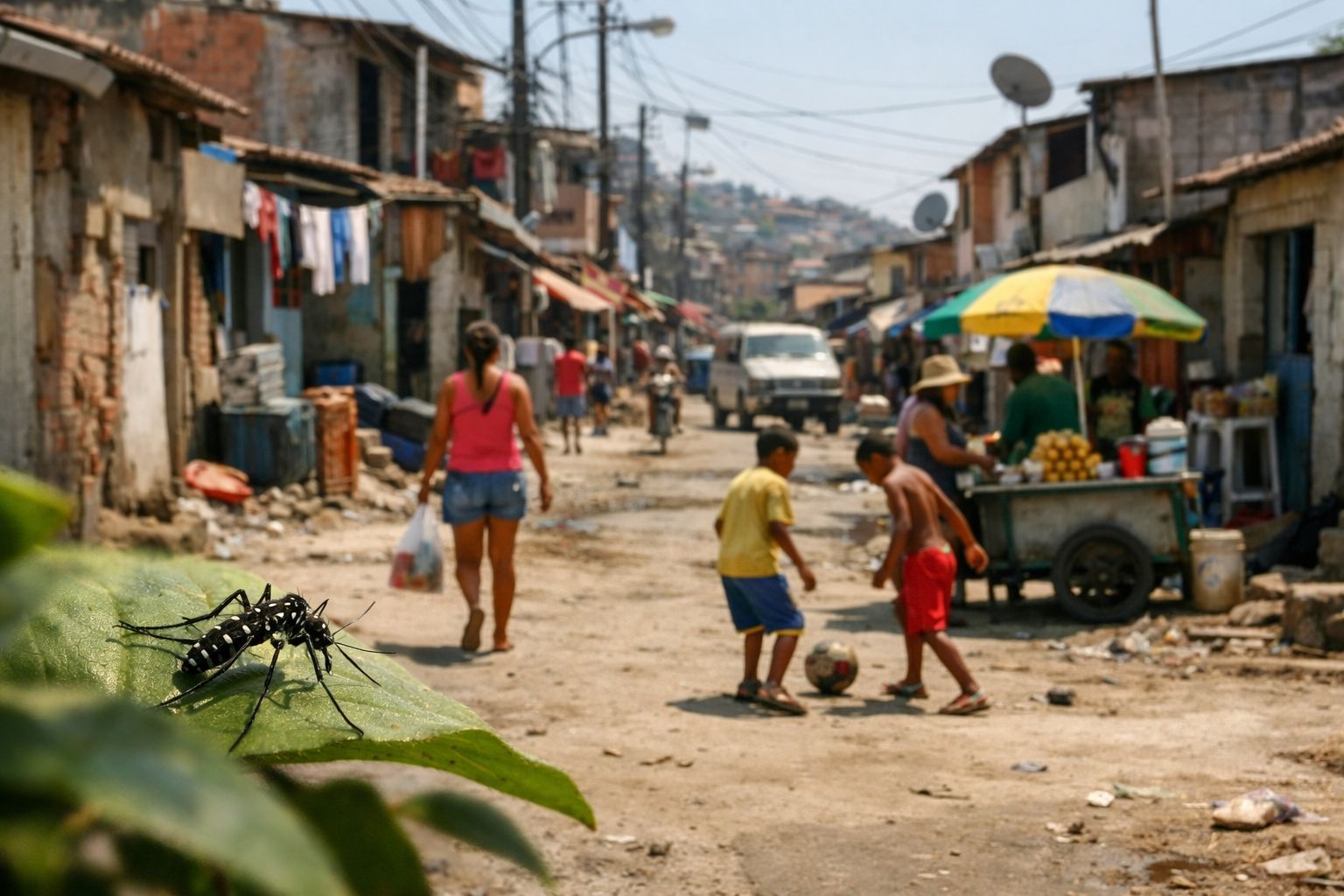
Imagine two twin sisters, both pregnant at exactly the same time in 2015. For one, everything goes as expected. For the other, Ruty Freires, a seemingly harmless mosquito bite would turn her life upside down. At the time, she didn’t even feel sick. Yet the Zika virus silently took hold and affected her fetus. Ten years later, the reality is stark: her daughter Tamara lives with severe long-term effects, like thousands of other children of this “Zika generation.”
An Investigation into a Neuron-Killer

How could a virus have caused such a catastrophe? At first, it was a complete mystery. In late 2015, in northeastern Brazil, doctors were seeing as many as 12 cases of microcephaly arrive at a single hospital at once. It was unprecedented. Dr. Celina Turchi, an epidemiologist, still remembers the fear in the eyes of the mothers and doctors. We suspected everything: vaccines, chemicals… But Dr. Ricardo Ximenes confirms that no link has ever been proven with these hypotheses. The real culprit was indeed the Zika virus.
The problem is that this virus is insidious. Laurent Chatel-Chaix, a virologist at INRS, explains that 80% of people show no symptoms. Ruty, for her part, had experienced neither nausea nor fever. Yet the virus crosses the placenta and directly attacks the fetus’s brain. It’s terrifying: it invades neural stem cells and replicates until they burst. “It’s as if a fire were set in the brain,” the researcher summarizes. The result? Development stops; the brain remains small and scarred.
It took the observations of Dr. Mabel Carabali, who was in Colombia at the time, to make the connection: the mothers of affected babies had often experienced skin rashes and conjunctivitis—distinctive signs of Zika compared to dengue.
Surviving Against the Odds
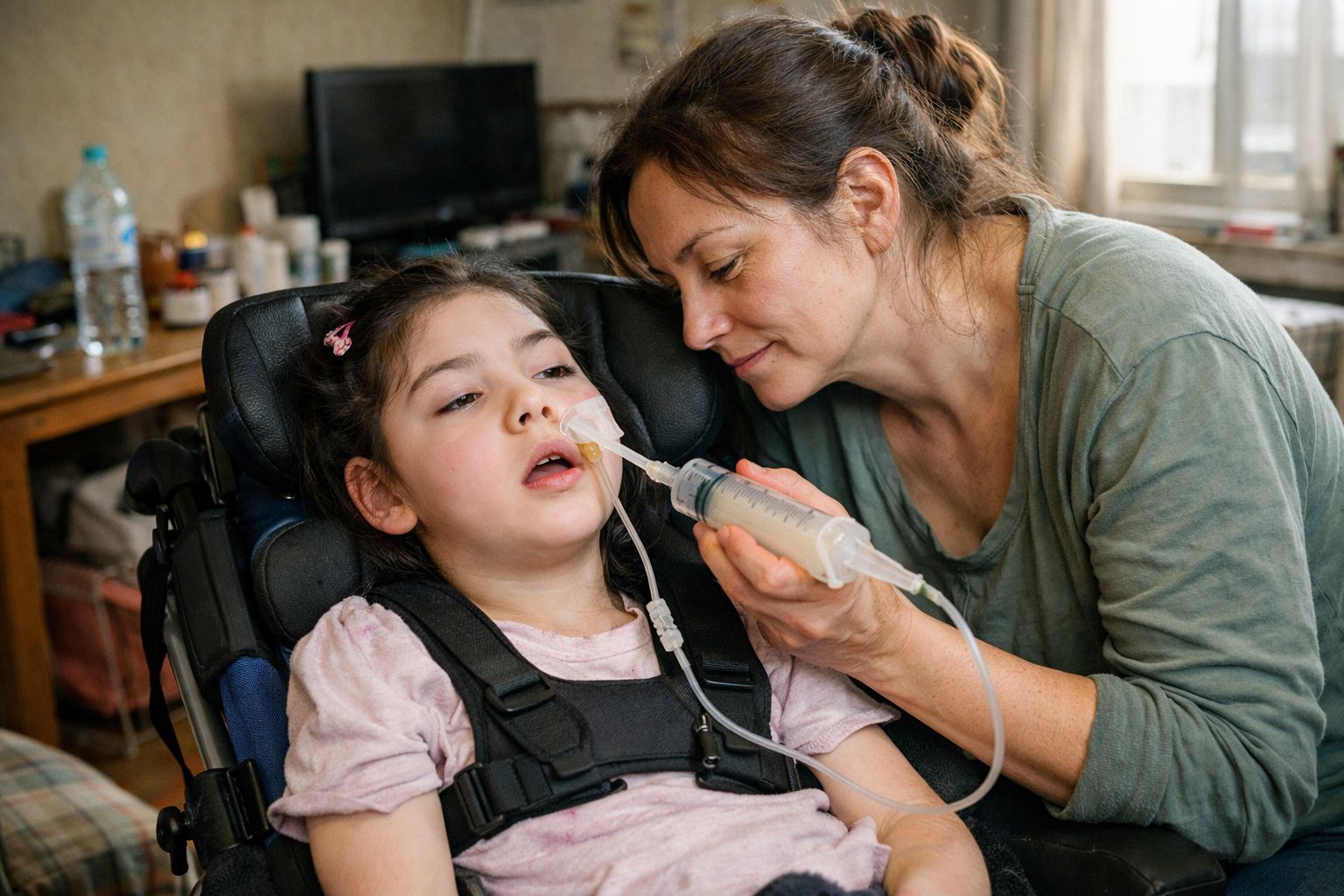
And that’s not all. The virus leaves its mark even without visible microcephaly. Researchers are realizing that children infected later in pregnancy, during the third trimester, often develop speech delays or motor disorders. This is a phenomenon we’re only just beginning to understand, much like the neurological risks we’re now discovering in babies born to mothers who had COVID-19.
For Ruty, who lives in public housing in Maceió, every day is a logistical challenge. There’s sometimes a shortage of drinking water, the wheelchair won’t fit through the doors, and her daughter often vomits her meals. Fortunately, solidarity among women steps in to help. The fathers, on the other hand, have often abandoned their families after the diagnosis. So, the neighbors help one another out.
Strength in numbers
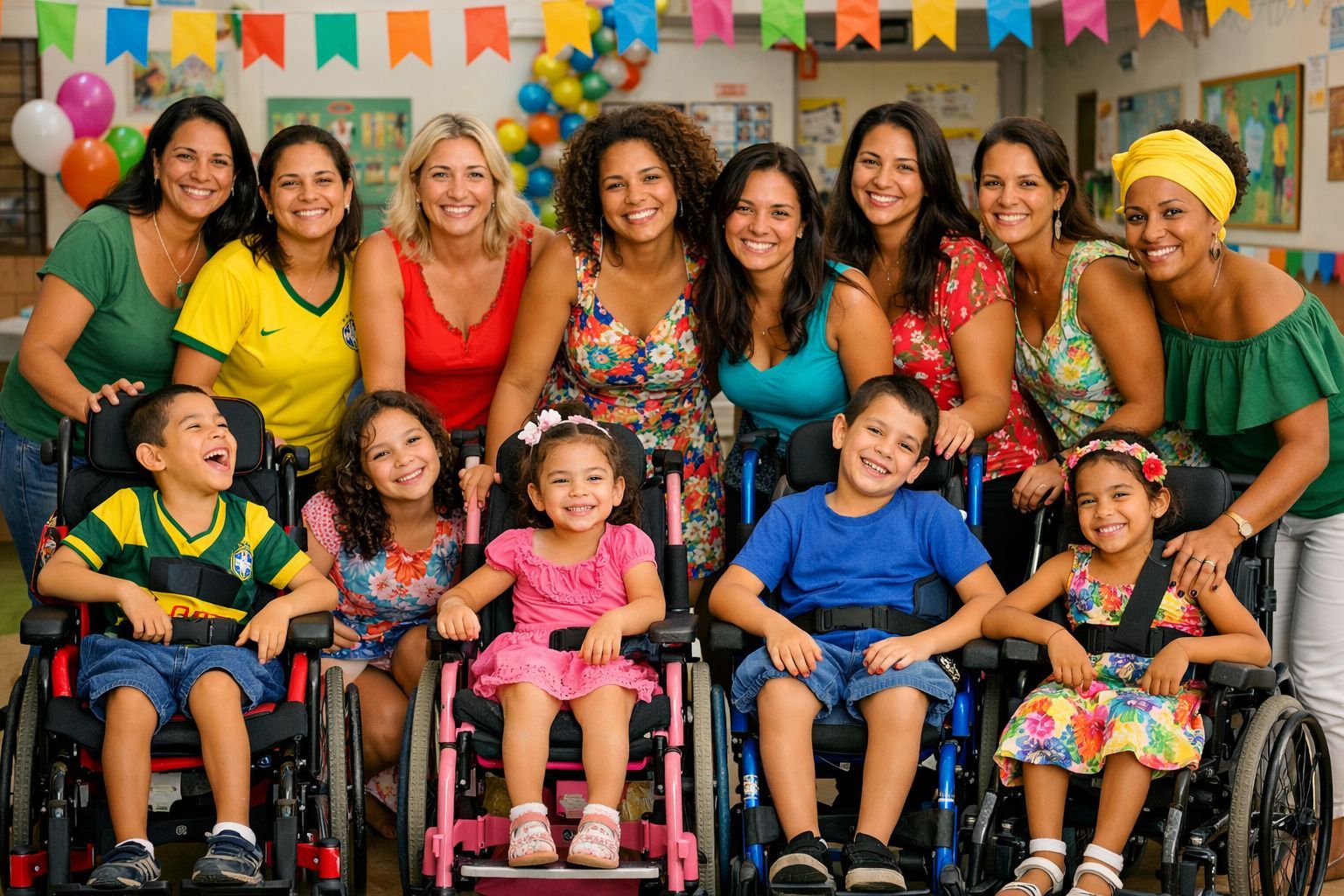
Despite the laughter that echoes through the association’s facilities, death is always lurking. Since 2015, approximately 300 of these children have died in Brazil, including about 50 right here at the association. “The epidemic is over, but the children are still here,” Dr. Ximenes reminds us. While herd immunity has caused cases to drop in Brazil, the risk of a new outbreak remains as long as the virus continues to circulate in some 60 countries. For these courageous mothers, the fight for their children’s dignity has only just begun.
Zika, 10 Years Later: The Invisible Struggle of Thousands of Brazilian Children
This content was created with the help of AI.


