Skip to content

Solar Eclipse 2026: Between a Celestial Phenomenon and Health Concerns
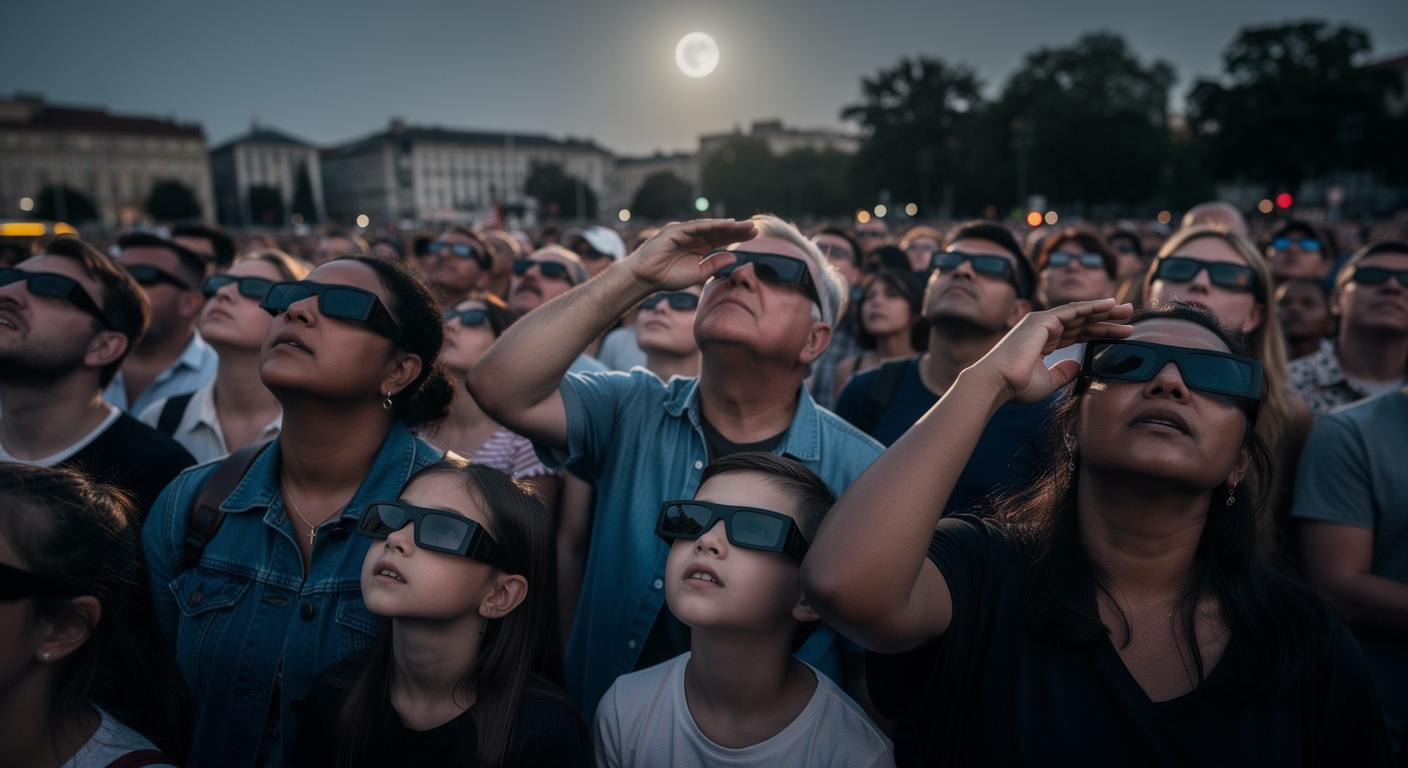
The first solar eclipse of 2026 will occur on February 17. This celestial event, known by the evocative name “Ring of Fire,” is eagerly anticipated worldwide, but it also raises concerns about its potential health effects. Scientific curiosity is often mixed with apprehension, fueled by deeply rooted cultural beliefs, particularly when it comes to physical well-being.

Many people continue to follow age-old practices out of fear of negative consequences, ranging from avoiding certain foods to strictly staying indoors. The 2026 solar eclipse is a natural astronomical event and not a health hazard in and of itself. While science confirms that no harmful rays affect the body in general, specific precautions remain necessary.

It is essential to distinguish myths from medical reality. The real risk identified by experts concerns eye damage resulting from direct observation of the Sun without adequate protection. Safe viewing practices are essential to prevent solar retinopathy and associated vision problems, while other fears often stem from tradition rather than scientific evidence.

Celestial Mechanics and Visibility Zones: The Scientific Facts
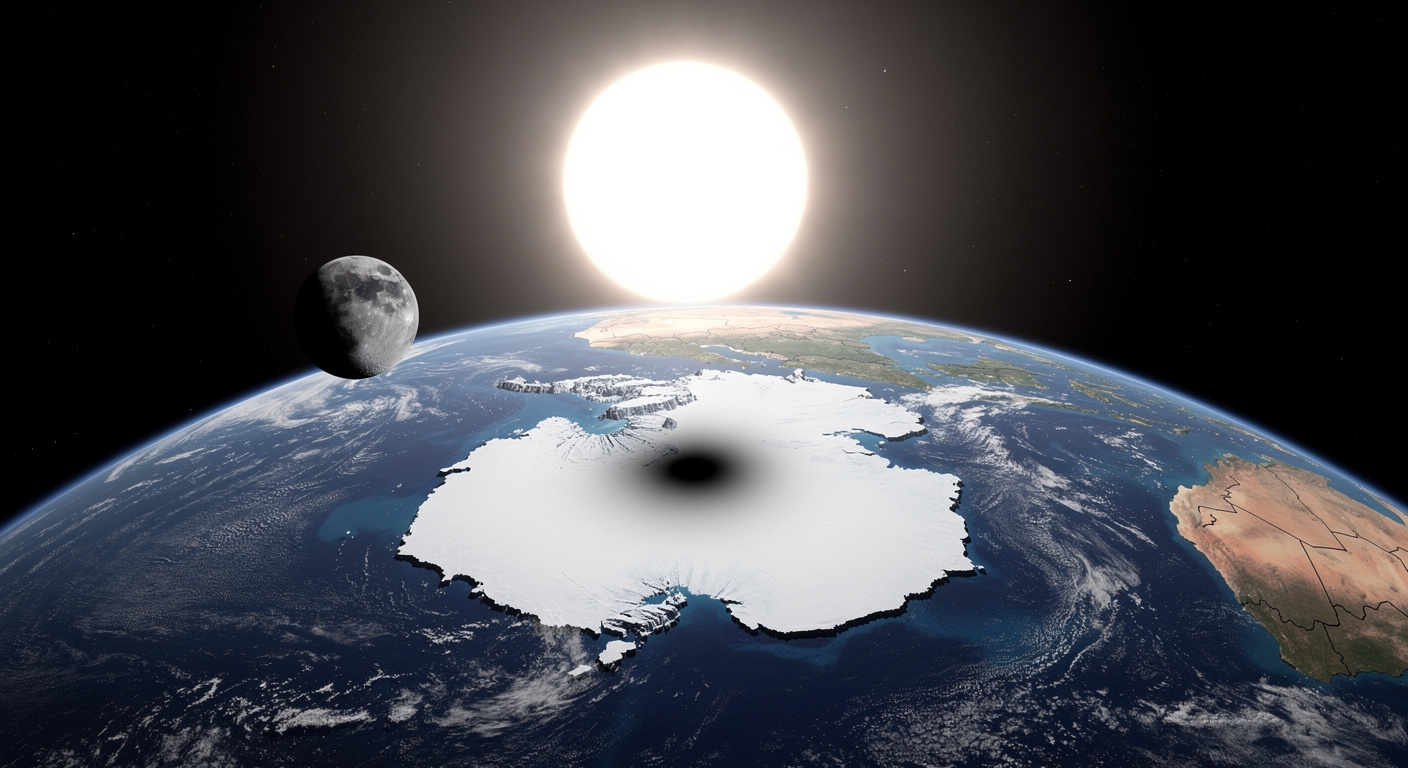
When a solar eclipse occurs, the Moon passes between the Earth and the Sun, temporarily blocking sunlight. Although the spectacle is magnificent and spectacular, scientists remind us that the event is purely an astronomical phenomenon and not a radiation explosion or a cosmic danger. According to NASA, the Moon does not completely cover the Sun and appears smaller because it is farther away from Earth. This makes it look like a dark disk superimposed on a larger, brighter disk, creating a thin, brighter ring around the Moon.

Experts state that a solar eclipse does not release harmful rays, toxins, or energy waves capable of damaging the human body. According to Space.com, Tuesday’s eclipse will begin at 07:01 UTC and last up to 2 minutes and 20 seconds. During this time, the Moon is expected to eclipse 96 percent of the Sun’s center. This precise alignment creates the specific visual conditions of an annular eclipse.

In terms of geographic visibility, the event will not be visible in India because the alignment occurs in the Southern Hemisphere and will remain below the Indian horizon. The maximum eclipse will be visible in Antarctica, particularly from research stations such as Concordia and Mirny. In southern Africa, countries such as South Africa, Tanzania, Zambia, and Zimbabwe will experience partial visibility of the phenomenon.

Known physical risks: Eyes and skin under close watch
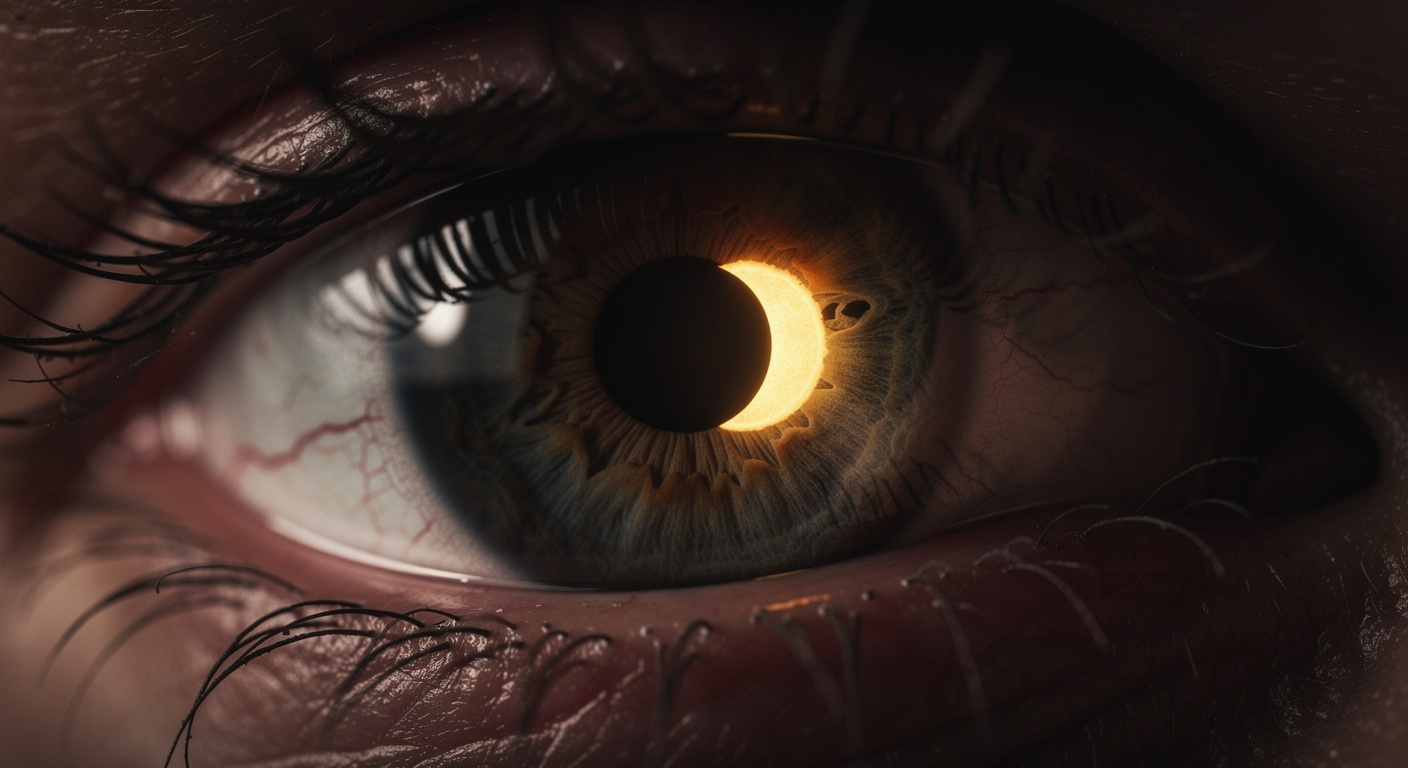
The most significant and very real danger during the Surya Grahan—which has been medically proven—is looking directly at the Sun without protection. Experts estimate that even during an eclipse, the Sun’s ultraviolet (UV) rays can burn the retina, leading to a condition known as solar retinopathy. Because the Sun appears dimmer during an eclipse, most people tend to stare at it for longer periods, thereby significantly increasing the risk.

Symptoms associated with this exposure include blurred vision, the appearance of blind spots, and permanent eye damage. It is crucial to understand that ordinary sunglasses are insufficient and may not provide adequate protection against the Sun’s intense light. Safe viewing absolutely requires certified eclipse glasses or solar filters.

Furthermore, solar eclipses can lead to an increase in UV radiation reaching the Earth’s surface. Prolonged exposure to elevated UV levels can result in skin damage, sunburn, and an increased risk of skin cancer. Doctors advise the public to take precautions to protect their skin, including using high-SPF sunscreen, wearing protective clothing, and seeking shade when necessary.

Temperature Fluctuations and Their Impact on Mental Health
Beyond radiation, other environmental and psychological factors come into play. During a solar eclipse, a temporary drop in temperature may be felt. Consequently, doctors advise dressing appropriately to avoid discomfort and potential health issues related to sudden temperature changes.

Psychologically, there are many unfounded fears and misinformation regarding the health impacts of solar eclipses, which can lead to increased stress, mood swings, and anxiety. Clear communication and the dissemination of accurate information can help address mental health concerns related to eclipses.

It is important to note that there is no scientific evidence suggesting that eclipses affect hormones, immunity, digestion, or sleep cycles. These physiological aspects remain unaffected by the astronomical phenomenon, despite persistent rumors that often circulate as such events approach.

Diet and Pregnancy: Science vs. Beliefs

A common belief suggests that food becomes “toxic” during an eclipse. Many people wonder whether they should stop eating during a Surya Grahan. However, science is unequivocal on this point: no harmful chemical changes occur in food, and radiation levels do not increase in exposed food.

Experts confirm that your digestion will not be affected by the eclipse. Eating during the event poses no specific physiological risks related to the celestial phenomenon. Recommendations to fast are therefore a matter of personal or spiritual choice, not biological necessity.

Traditionally, in many cultures, including India, pregnant women are advised to stay indoors during a Surya Grahan. However, from a health perspective, there is no scientific evidence linking eclipses to birth defects or pregnancy complications. The medical community is united in reassuring expectant mothers regarding these age-old concerns.

Medical Experts’ Opinion: Words from Specialists

To dispel doubts regarding pregnancy, Dr. Renu Raina Sehgal, chair of the Department of Obstetrics and Gynecology at Artemis Hospitals, provides precise medical insight. She states: “There is no scientific evidence linking a solar eclipse to miscarriage, birth defects, preterm labor, or fetal growth restriction. The baby is well protected inside the mother’s uterus by multiple natural protective mechanisms.”

Dr. Nisha Buchade, a senior gynecologist and robotic surgeon at Vasavi Hospitals, concurs with this assessment and recommends maintaining a stable daily routine. She says: “I would therefore advise expectant mothers to continue their normal routine, stay well-hydrated, and avoid stress caused by social pressure. Pregnant women do not require any additional precautions beyond standard prenatal care. If you wish to watch the eclipse, you can do so safely by using certified solar viewing glasses.”

Some people nevertheless choose to fast or follow rituals for spiritual or cultural reasons, which remains a personal choice and not a medical necessity. Experts emphasize the importance of engaging in these personal or cultural practices mindfully, without giving in to panic.

Origins of the Myths and Practical Viewing Tips
Historically, eclipses have always been viewed as mysterious and even ominous events, believed to bring bad luck and even cause illness. Lacking scientific understanding, communities developed precautionary rituals, many of which persist today as traditions. While respecting these beliefs, understanding the facts helps avoid unnecessary fear.

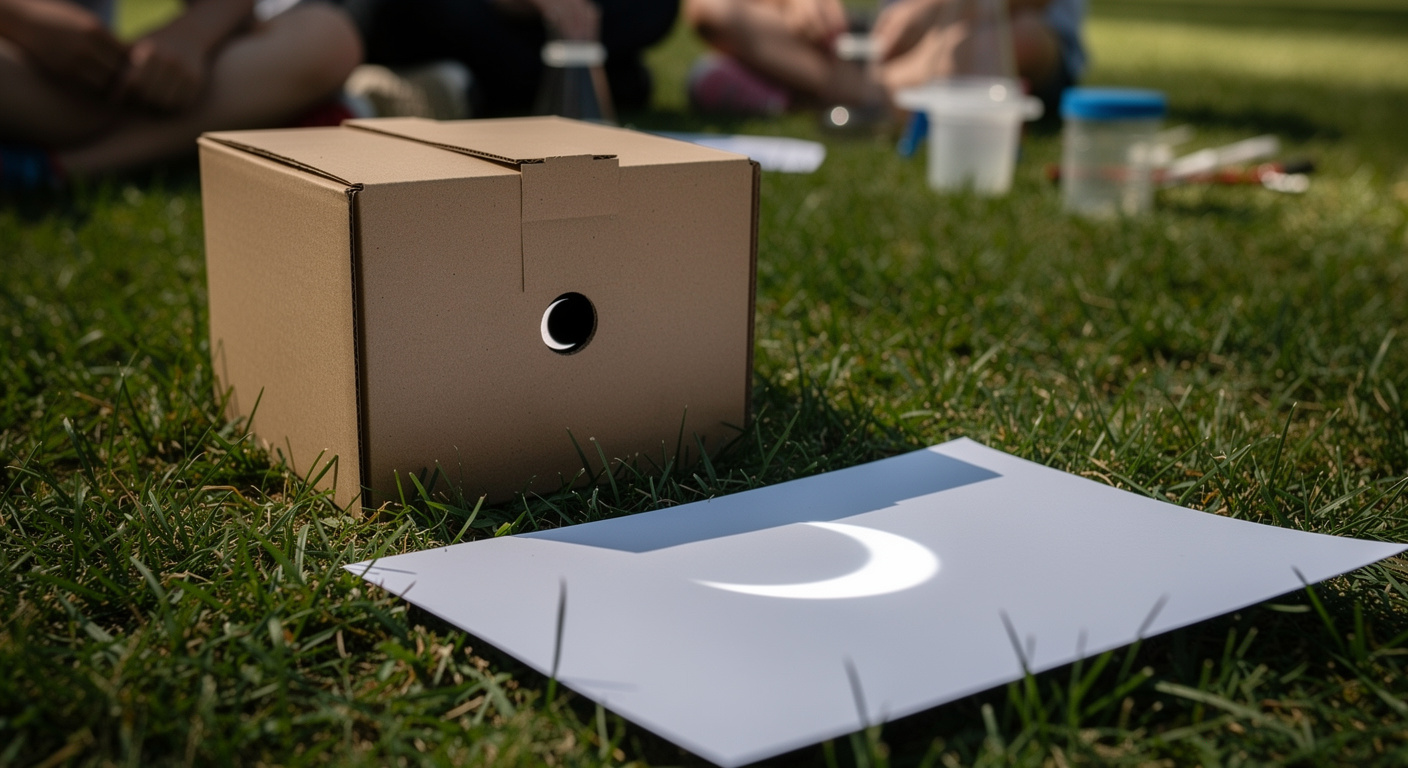
To safely enjoy this celestial event, experts recommend a few simple precautions. It is essential to use certified solar eclipse glasses and to absolutely avoid looking directly at the Sun. Using pinhole projectors is a safe method of observation. It is also advisable to stay hydrated if you choose to fast.

In conclusion, the 2026 eclipse is a unique viewing opportunity for the affected regions, provided that eye safety is prioritized and people do not give credence to unfounded myths about overall health.

Source: timesnownews.com

Created by humans, assisted by AI.

2026 Solar Eclipse: Separating Fact from Fiction About the Health Risks of the Surya Grahan

facebook icon twitter icon linkedin icon
Copied!

Commentaires

0 0 votes
Article Rating
Subscribe
Notify of
guest
0 Comments
Newest
Oldest Most Voted
Inline Feedbacks
View all comments
More Content