

Raising Awareness About a Silent Disease

Colon cancer often develops without any noticeable symptoms, making early detection absolutely vital. Experts now recommend having your first colonoscopy at age 45, or even earlier if you have a family history of the disease or specific risk factors. These regular screenings not only help detect and remove polyps, but also prevent the onset of the disease and save lives. It’s essential not to ignore the symptoms and to take charge of your colon health today.
Raj’s story (name changed) perfectly illustrates this need. At age 46, he began experiencing occasional stomach cramps and pain. He initially attributed these discomforts to late meals, overeating on weekends, and later, stress. Like millions of adults, he had never really given much thought to his colon health.
It wasn’t until a family friend shared his recent diagnosis of colon cancer that Raj realized the crucial importance of screening. Today, experts emphasize that understanding the right age to undergo a colonoscopy could save countless lives.
Why Age 45 Has Become the New Standard

Perceptions of the typical profile of patients affected by this disease are changing radically. Dr. Rakesh Kumar Sharma, senior consultant in medical oncology at the M | O | C Cancer Care & Research Center in Gurugram, told Times Now Health: “Colorectal cancer is no longer just a disease of the elderly. Because more and more cases are being diagnosed in young adults, major guidelines now recommend that people at moderate risk begin screening at age 45.”
This recommendation marks a turning point in prevention strategy. It is no longer a matter of waiting for advanced symptoms or old age to become concerned about one’s bowel health. The goal is to intervene before the disease takes hold.
Understanding the Vital Importance of Colonoscopy
Colorectal cancer is the second most common cancer in India and worldwide. What makes it unique is how it develops—often silently over the course of many years. It typically begins as small, benign polyps in the colon or rectum. Although these polyps do not cause symptoms at first, some can slowly develop into malignant tumors. Detecting and removing them early is crucial, and that’s where colonoscopy comes in.
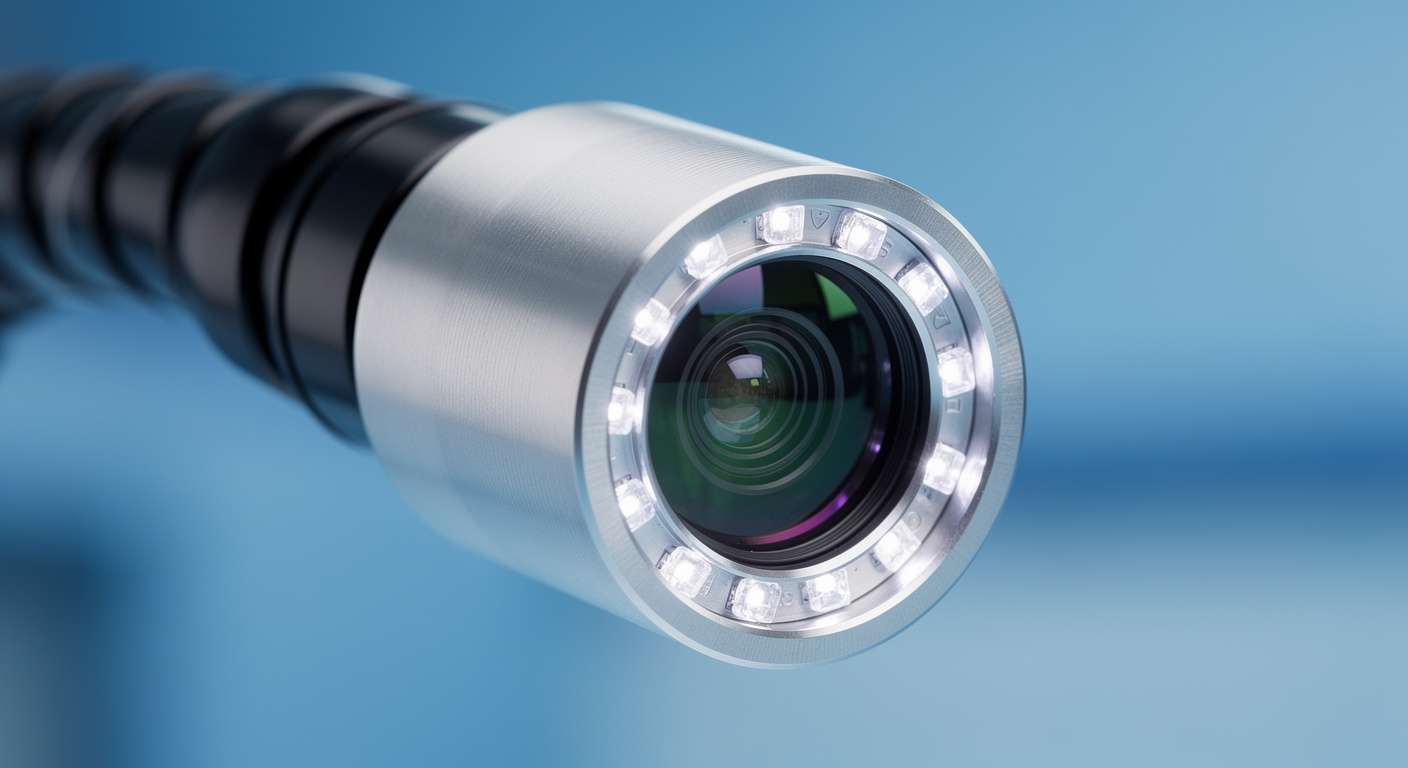
Dr. Sharma explains the key benefit of this exam: “The most comprehensive test is a colonoscopy, in which a flexible tube with a camera examines the inside of your large intestine. Its major advantage is that doctors can find and remove polyps (small growths) before they become cancerous, often preventing cancer altogether.”
Risk Factors: When Should You Seek Medical Attention Sooner?

For most people, even those with an average risk of cancer, medical guidelines—including those from the American Cancer Society and leading gastroenterology societies—recommend starting colon cancer screening at age 45. This is the current standard threshold for optimal prevention.
Dr. Sharma emphasizes the urgency of taking action for these groups: “Some people need earlier or more frequent screening. If you’re 45 or older, or if you’re younger but have these risk factors, don’t delay. A simple conversation with your doctor about a colonoscopy could literally save your life.” Early screening can truly make a difference.
Warning signs you should never ignore

- Unexplained changes in bowel habits.
- Blood in the stool or dark-colored stools.
- Abdominal pain, bloating, or cramps.
- Unexplained weight loss or fatigue.
Source: timesnownews.com
Created by humans, assisted by AI.
Colon Cancer: At what exact age should you definitely schedule your first screening?


