

A high dose of psilocybin temporarily restores lost abilities in an 80-year-old Alzheimer’s patient


An Unexpected Discovery Rooted in Ancestral Knowledge

Recent research sheds new light on the fascinating properties of psilocybin mushrooms. According to a study published in the scientific journal Frontiers in Neuroscience, a natural psychoactive compound could offer new prospects for the treatment of neurodegenerative disorders. Researchers have documented a dramatic and temporary improvement in cognitive and motor abilities in a woman in her eighties suffering from advanced Alzheimer’s disease.
The Devastating Impact of the Disease and Current Therapeutic Limitations
Alzheimer’s disease is now one of the most common forms of dementia worldwide. This relentless condition progressively worsens over time, slowly robbing individuals of their ability to think, communicate coherently, and move about freely. As the disease progresses, performing even the simplest daily tasks becomes increasingly difficult, if not impossible, for those affected.
Given the inevitable aging of the global population, cases of neurodegenerative diseases, including Alzheimer’s disease, are rising significantly. Treatments currently available on the medical market can, at best, help improve patients’ quality of life. Nevertheless, the scientific community agrees that they do not offer any significant functional recovery. It is precisely within this complex medical context that researchers have expanded their investigations to identify promising new therapeutic agents.
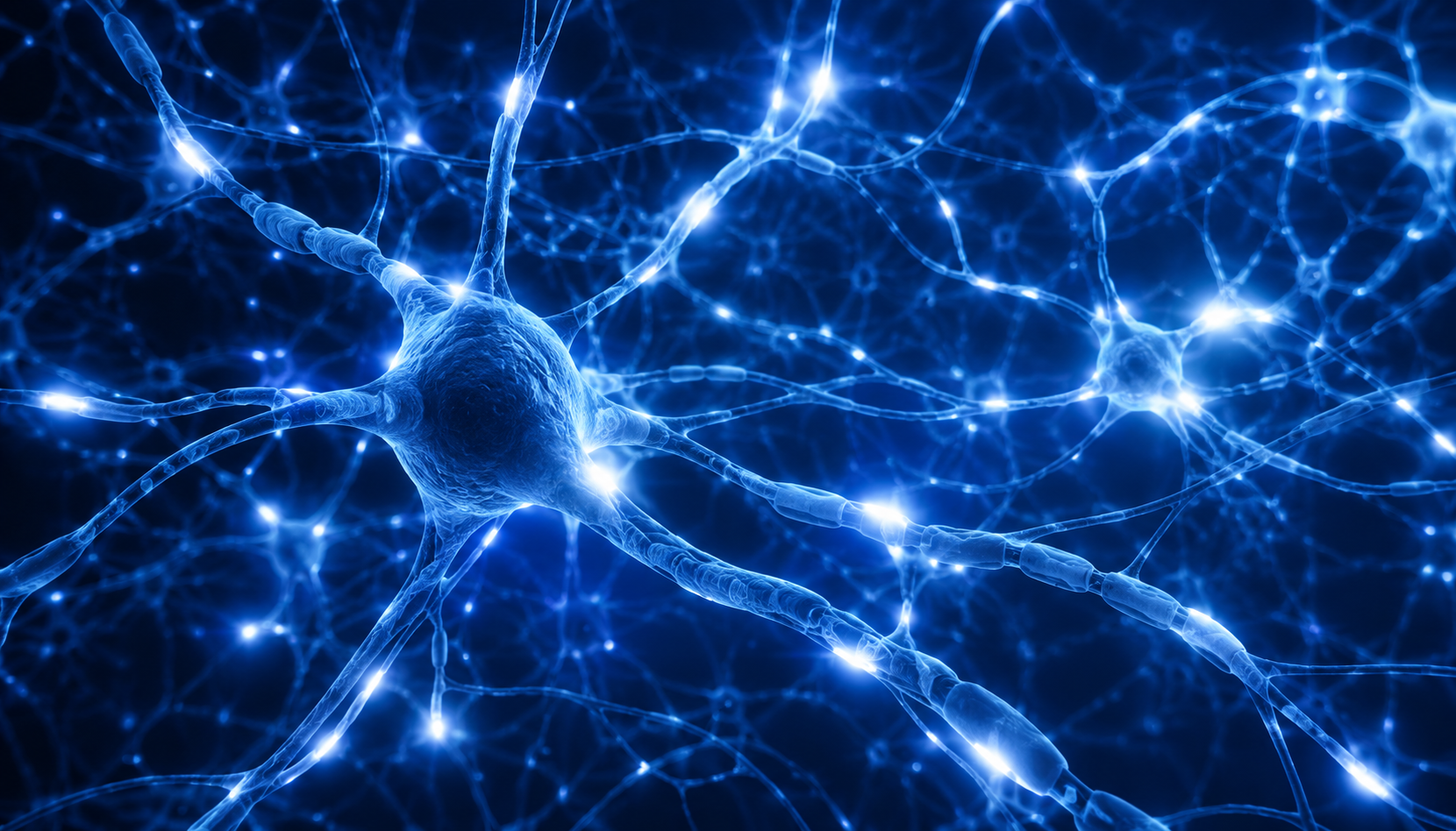
Psilocybin stands out as a particularly interesting candidate because it works by activating specific serotonin receptors in the brain. Previous studies, which used brain scans to analyze the effects of psychoactive compounds, have shown that these substances promote increased communication between large-scale brain networks. Furthermore, preliminary research conducted on animal models has shown that these drugs stimulate neuroplasticity, defined as the brain’s ability to form new branches and connections between nerve cells.
The Experimental Protocol and Baseline Clinical Status

To systematically explore the effects of compounds derived from these mushrooms on Alzheimer’s disease, the research team designed an exploratory observational case report. This scientific approach involved extremely close medical monitoring of a single individual, with the goal of precisely observing, documenting, and analyzing how her body reacted to the administration of this unorthodox experimental treatment.
The patient involved in this clinical study was eighty years old and had been living with an advanced form of Alzheimer’s disease for a full decade. Before the researchers intervened, her clinical condition was considered particularly severe. Her verbal communication had drastically diminished, limited to uttering one or two words at a time. Motor-wise, she required constant physical assistance to walk and had been wearing diapers for five years due to a total loss of bladder control.
Rapid Results on Cognitive and Motor Functions

The physical and relational impact of this approach proved to be substantial on all levels. The eighty-year-old woman was able to walk and talk for much longer periods without showing signs of exhaustion. Even more emotionally significant was that she regained the ability to recognize certain family members—an emotional memory capacity that had completely disappeared over the years.
Study Conclusions, Clinical Implications, and Limitations

This specific clinical case documents and provides undeniable evidence that a patient with advanced Alzheimer’s disease can temporarily regain several lost cognitive functions following the ingestion of psilocybin. The researchers, however, emphasized strongly that this experimental treatment did not reverse the course of the disease. The neurodegenerative disease remains present and was not cured by this one-time intervention.
Nevertheless, this scientific observation reveals crucial information for the future of neurology: it suggests that certain functional capacities may still persist within the brain’s structure during the late stages of Alzheimer’s disease. These neural networks, which were thought to be destroyed, can in fact be temporarily reactivated under very specific conditions. For any medical questions, consult a qualified healthcare professional.
Source: medicalxpress.com
A high dose of psilocybin temporarily restores lost abilities in an 80-year-old Alzheimer’s patient
