Skip to content

Beyond the Local Grocery Store: A New Perspective

Eating healthily in rural communities doesn’t depend solely on what’s available at the nearest grocery store. New research suggests that people who feel motivated, confident, and supported in their food choices tend to eat better overall, even when income, distance to stores, and other barriers vary significantly. This trend highlights a simple yet powerful reality: daily habits often stem from encouragement, shared meals, and the belief that making healthy choices is truly manageable.

In a large-scale survey of adults living in rural areas, those who reported stronger encouragement from their families and greater confidence in meal planning consistently consumed more fruits, vegetables, and fiber. At the same time, these same individuals relied less on ultra-processed foods. These findings come from an analysis of responses from 2,420 adults living in rural towns and micropolitan communities in the states of New York and Texas.

In examining this data, Rebecca Seguin-Fowler of Texas A&M University documented a clear link between psychosocial support and healthier eating habits in both states. Higher levels of motivation and self-efficacy correlated with increased consumption of fresh produce, while lower levels of support coincided with a greater reliance on packaged foods. Since access to food and income varied widely within these same communities, this pattern points to influences that food availability alone cannot explain, requiring further investigation.

Motivation and Confidence: The Invisible Drivers

Psychology manifested itself in the data through psychosocial factors—the feelings and social connections that guide behavior. Motivation drives a person to value healthy food, while self-confidence helps them stick to that choice when routines are disrupted. The study revealed a striking statistic: a one-point increase in either of these measures was linked to consuming more than half a cup of additional produce each day.

Support from others also played a crucial role. Family meals and encouragement from friends made a difference, as the survey captured how often people ate healthy foods with others. Encouragement can make a difficult choice feel normal, and sharing grocery shopping or cooking can reduce the mental load associated with eating.

It is interesting to note a distinction in the sources of support: support from family was linked to lower consumption of packaged foods, while support from friends showed a stronger connection to fruit and vegetable consumption. This distinction suggests that lasting change can often begin at home, even as broader social networks reinforce healthy habits. Programs that teach planning skills and celebrate small victories could boost both confidence and support, though they still require affordable food options nearby to function effectively.

The Influence of the Commercial Environment
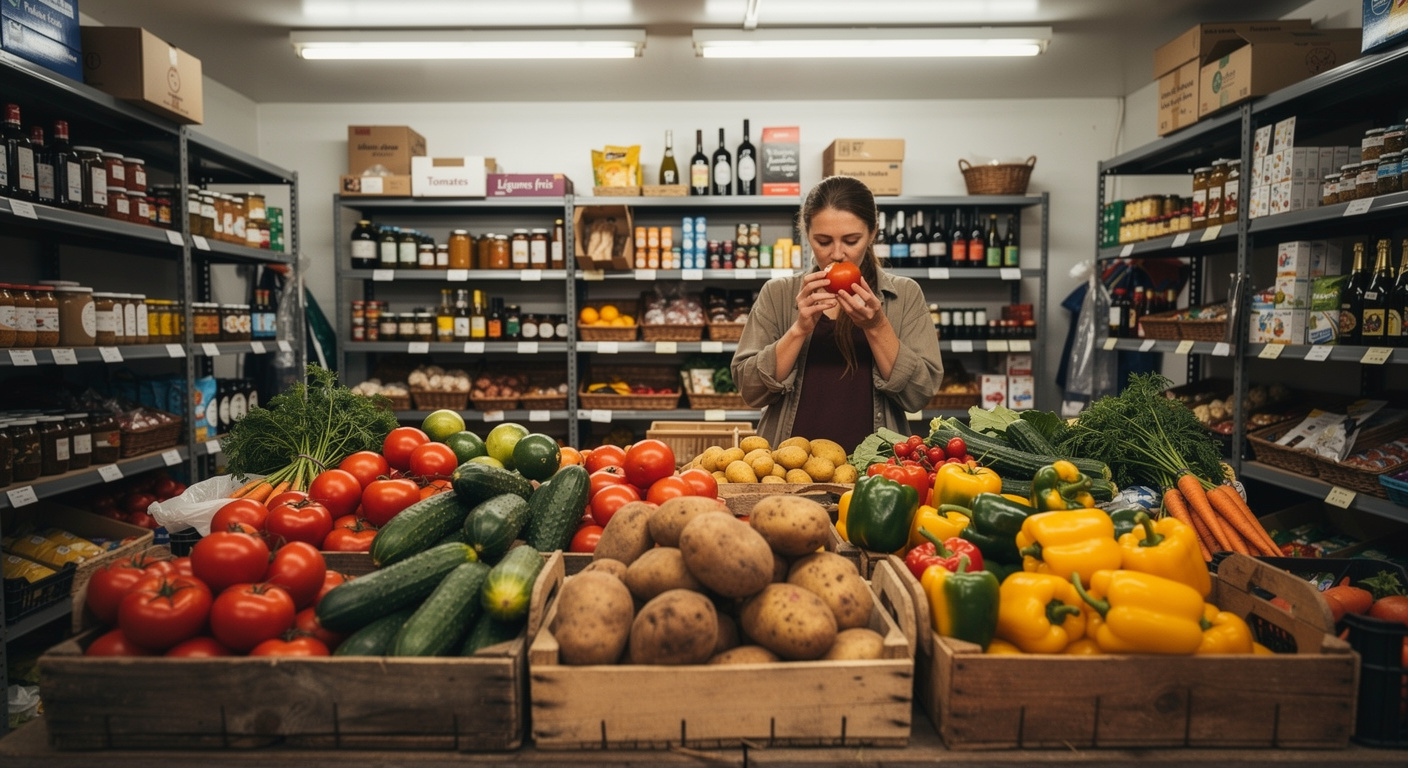
Perceptions of the local food environment also matter, especially when people are assessing whether fresh produce is easy to buy. Better access means more than just distance, as quality and selection guide shoppers toward fruits and vegetables they will actually eat. Higher ratings regarding the availability of fresh fruits and vegetables correlated with higher consumption of produce and fiber.

Similarly, higher purchasing power was associated with better diet quality. Community-based solutions, such as food banks, can work well in conjunction with practical skills that help families identify good deals without resorting to packaged foods by default.

However, the researchers note that improving in-store options must go hand in hand with building practical skills. It is not enough for the food to be there; consumers must feel capable of incorporating it into their daily lives and perceive its accessibility in a positive light.

The Numbers Behind What’s on Our Plates
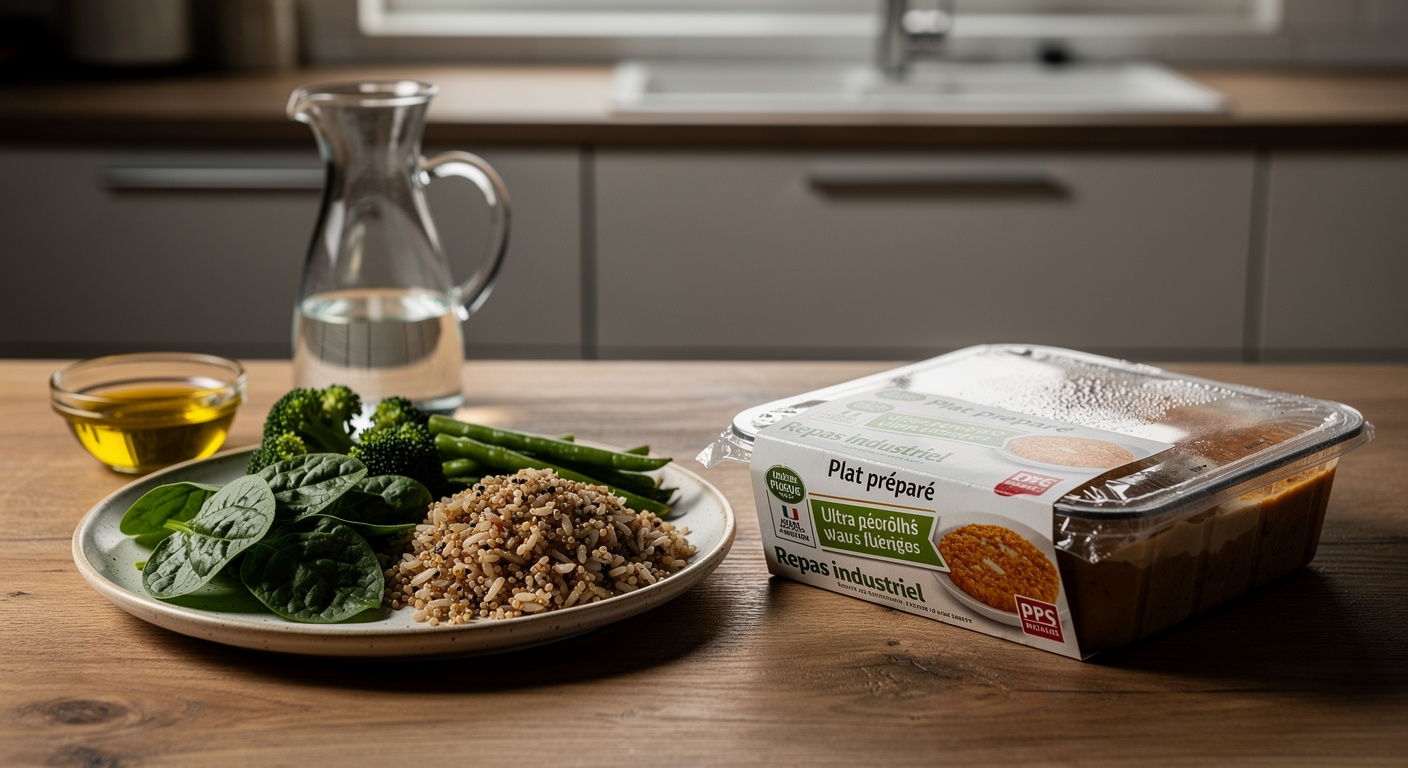
In concrete terms, what did the diets studied look like? Average consumption stood at 2.6 cups of fruits and vegetables per day, which remains below the targets set by national dietary guidelines. Fiber intake averaged 15 grams per day—an essential nutrient that slows sugar absorption and feeds gut bacteria linked to lower inflammation. The overall dietary quality in the group averaged only 1.5 out of 5 points, closely matching national benchmarks.

To put these figures in perspective, a 2021 analysis of two long-term U.S. cohorts found that mortality benefits plateaued at around five daily servings of fruits and vegetables. This suggests that even modest increases from current levels could yield significant health benefits.

The researchers also tracked consumption of ultra-processed foods, including packaged snacks and ready-to-heat meals made with refined ingredients and additives. Reported consumption averaged about 1.5 servings per day. These foods can crowd out fruits, vegetables, and whole grains. Reducing these items often depends on time, money, and trust, as ultra-processed foods frequently win out on convenience and price, especially for households juggling tight schedules and budgets.

When the Budget Dictates the Menu

Budget constraints were evident in the study, with about half of households earning less than $50,000 per year. Nearly 40% reported food insecurity, meaning they do not always have reliable access to enough food, which can force them to make cheaper choices at the checkout.

Despite these difficulties, only 18% reported using the Supplemental Nutrition Assistance Program (SNAP), meaning that many people facing food shortages may not have access to additional assistance. This data is crucial for understanding the scale of the structural problem.

The conclusion is clear: any plan aimed at boosting motivation or culinary skills will struggle to succeed if families cannot rely on a steady supply of food from week to week. Financial instability remains a major barrier to adopting new habits, regardless of individual willpower.

Study Limitations and Future Prospects

The research team highlights certain limitations: since they observed a specific point in time, the study design was cross-sectional—a snapshot that cannot prove cause and effect. The data came from online questionnaires completed in 2022–2023, and the Texas A&M University review committee approved the project, so the responses depended on the participants’ memory and honesty. Furthermore, consumption of ultra-processed foods may have been underestimated, as the survey included only certain foods and omitted others.

Rebecca Seguin-Fowler sums up the situation accurately: “Adults in rural areas face high risks of diet-related health problems, but nutritional behaviors in these communities are shaped by much more than just access to food.” Taken together, the findings suggest that nutrition initiatives should focus on building trust and social support while also improving in-store options, particularly in low-income rural communities.

Tracking the same individuals over time will allow the university to test whether trust and support increase first, followed by dietary changes. Future studies will need to determine whether expanding support systems or improving access to food at retail outlets leads first to measurable dietary changes. This study is published in the Journal of Nutrition Education and Behavior.

Source: earth.com

Created by humans, assisted by AI.

Eating Better: The Psychological Factor That Matters Just as Much as the Supermarket

This content was created with the help of AI.

facebook icon twitter icon linkedin icon
Copied!

Commentaires

0 0 votes
Article Rating
Subscribe
Notify of
guest
0 Comments
Newest
Oldest Most Voted
Inline Feedbacks
View all comments
More Content