

A Quiet Departure
I’ll probably never be able to erase the slightly lost look in Marie-Chantal Chassé’s eyes from my memory. It was December 2018, in Katowice, Poland. We were in the thick of COP24, and the CAQ’s very first Minister of the Environment seemed to be carrying the weight of the world on her shoulders—she had been dispatched there at the very last minute. Frankly, you could tell she was walking on eggshells.
You have to remember the context: she’d been elected just two months earlier—a political newcomer who probably didn’t expect to inherit such a complex portfolio. At that time, the CAQ didn’t really have a solid climate platform. In fact, the interview we had ended rather abruptly… an international relations official cut the discussion short after just a few minutes, citing an appointment, clearly seeing that the minister was struggling.
This appointment—a veritable poisoned chalice for someone with no experience—perhaps revealed the scant interest François Legault had in the environment early on. But then again, being the pragmatic politician that he is, he eventually adjusted his course. We remember that memorable line where he said he couldn’t look his two sons in the eye if he didn’t take action. Yet one thing remained constant throughout his tenure: protecting nature must never, ever get in the way of economic development.
Unexpected shifts and major projects
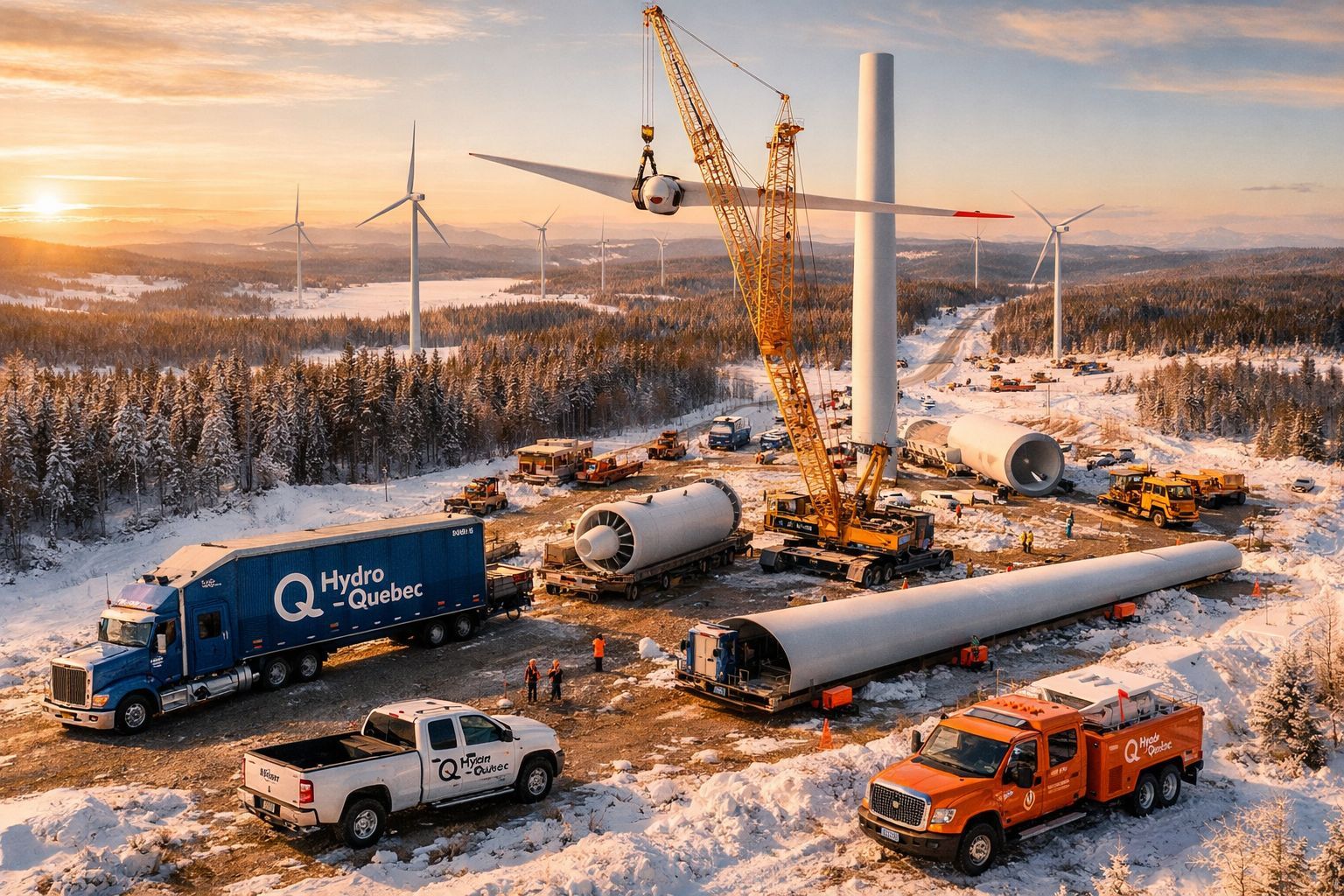
Credit where credit is due: there have been some successes, sometimes where we least expected them. Initially, in 2018, François Legault was still talking about “responsible” oil extraction and was even eyeing shale gas. But there was a complete turnaround in 2021, during COP26 in Glasgow! The CAQ shut the door on fossil fuels and joined the Beyond Oil and Gas Alliance (BOGA), which Quebec now co-chairs with Denmark. A bill passed in 2022 even cemented this shift. It’s a major change of course—we have to admit it.
In terms of the numbers, the premier must surely be smiling to see that Quebec has managed to decouple its greenhouse gas (GHG) emissions from its economic growth. Carbon intensity has fallen by nearly half since 1990 per million dollars of GDP. That’s good, but… be careful with comparisons. Ontario has done better, with a 56% reduction, mainly thanks to nuclear power. We, with our hydroelectricity, don’t have that same leeway to decarbonize further.
And that’s where the problem lies: the current pace is insufficient. We’re aiming for a 37.5% reduction by 2030, but the measures currently in place will only get us to 60% of that target. To make up the difference, Legault has given Hydro-Québec a wake-up call with the 2035 Action Plan: $200 billion in investments! We’re talking about tripling wind power capacity, negotiating the Churchill Falls and Gull Island projects with Newfoundland, and launching the Chamouchouane project in Saguenay–Lac-Saint-Jean—a 3,000-megawatt behemoth. Oh, and let’s not forget the Montreal Metro’s Blue Line, which finally became a reality under his administration after decades of waiting.
Transportation and Obsessions: Missed Opportunities
If there’s one millstone this government has been dragging around, it’s its obsession with the third link in Quebec City. It’s a textbook case where the advice of scientific experts seemed to take a back seat. Proposing a highway link without studying other options was… bold, let’s say. Even when the Caisse pointed out the project’s limited benefits for mobility, it remained on the table for far too long. It’s probably the issue that has most weighed down its track record.
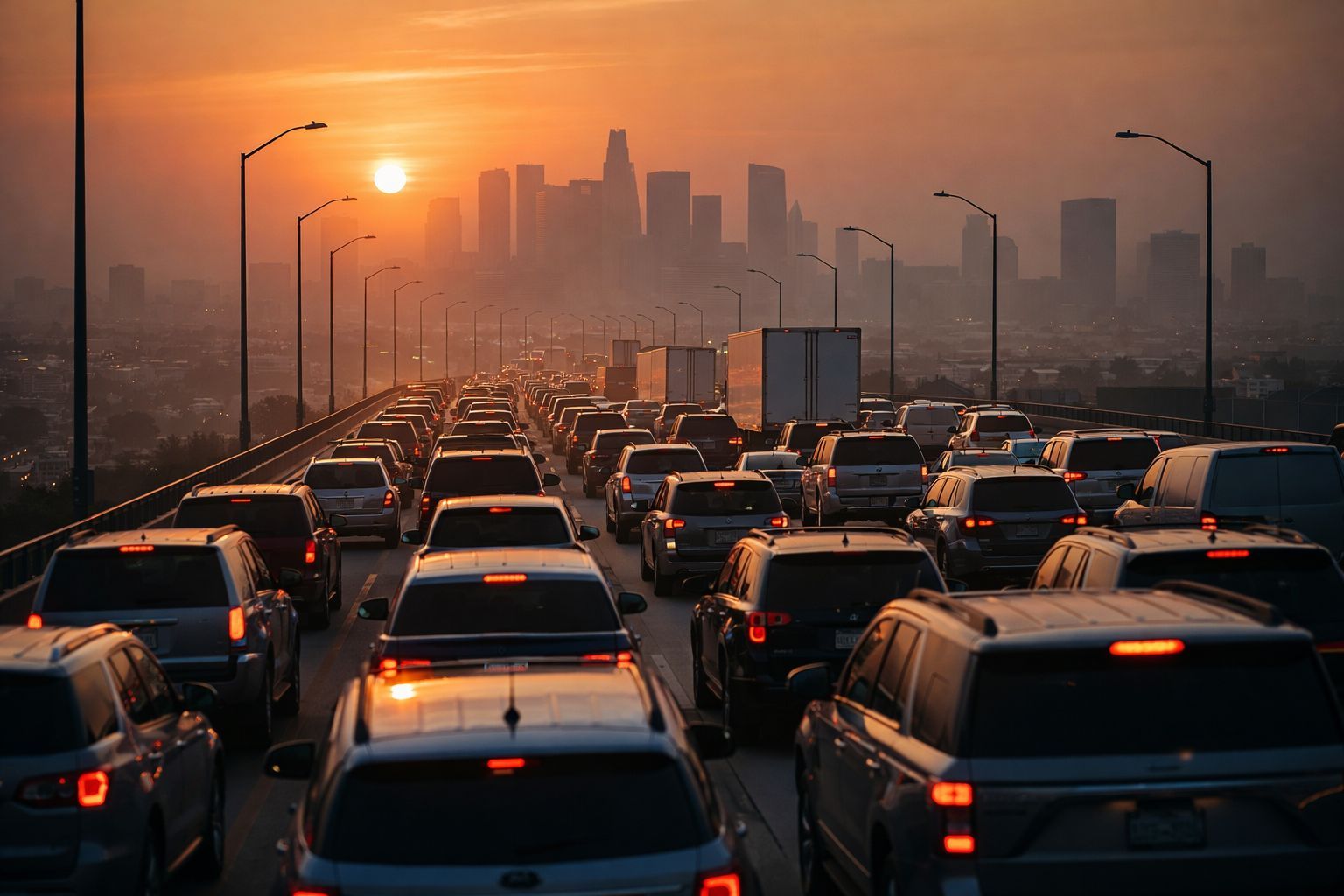
The problem is broader than that. Transportation accounts for 45% of our GHG emissions. Scientists keep saying it: we need to redesign our cities and focus on public transit. Legault had promised a shift in priorities, but we’re still waiting. In reality, it’s business as usual: about 70% of the budget goes to roads and only 30% to public transit—a ratio confirmed in the 2025–2035 Quebec Infrastructure Plan. It remains to be seen whether the new agency, Mobilité Infra Québec, will change the game, but I have my doubts.
And then there’s this reluctance to dip into drivers’ wallets. Quebecers are buying increasingly larger vehicles, but François Legault categorically refuses to impose measures to discourage these purchases, even though such measures work elsewhere. It’s a clear political choice.
Speed and Haste: When Nature Pays the Price
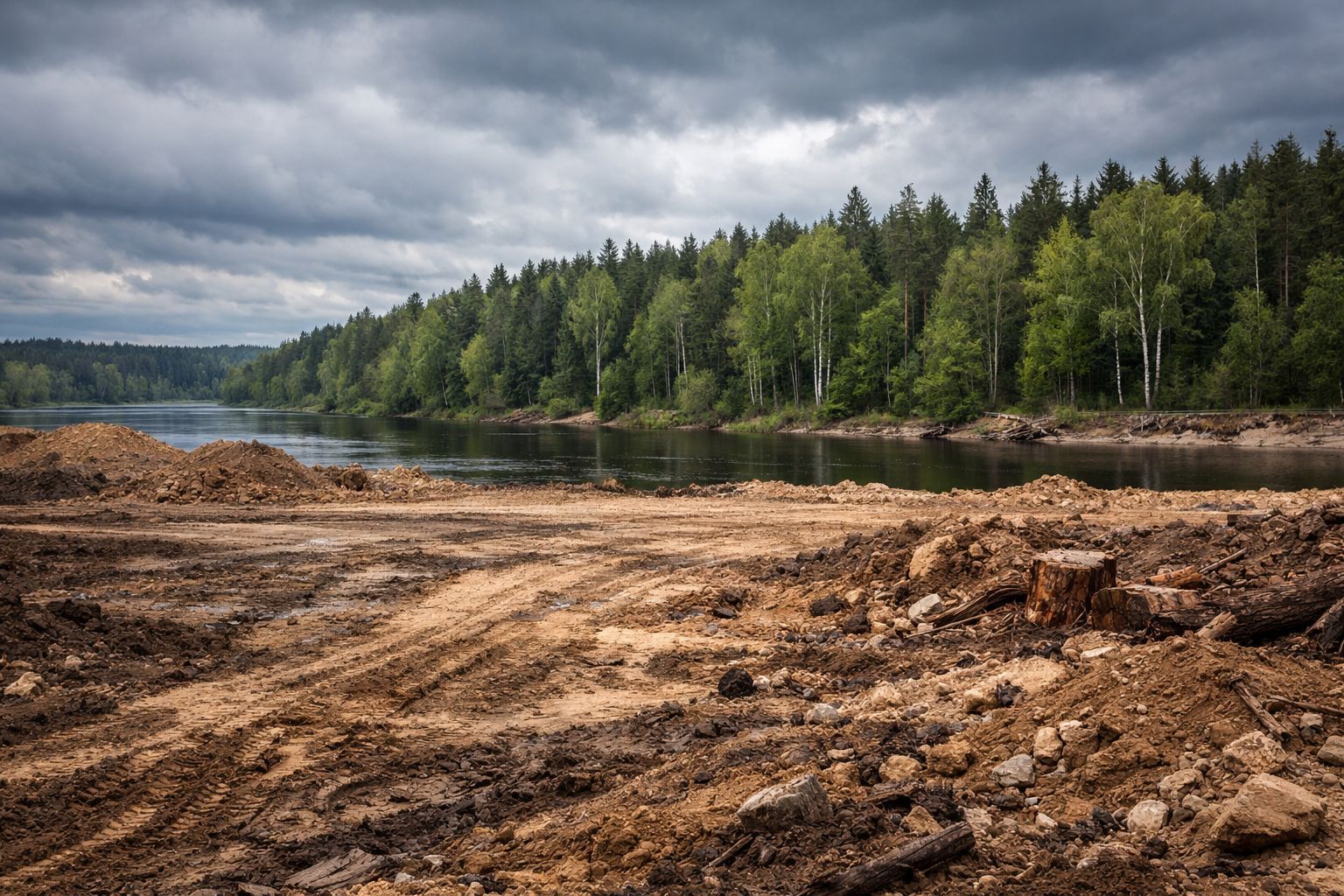
François Legault is a man in a hurry—there’s no denying it. The Northvolt affair is the perfect example. They wanted to move fast—very fast—by bypassing the BAPE. The result? They lacked crucial information about the financial stability of this Swedish startup, which ultimately filed for bankruptcy shortly after construction began on the banks of the Richelieu River. I think this impatience has somewhat tarnished the government’s image.
This drive to speed things up was also evident in the appointment of Bernard Drainville, who was tasked with streamlining the “endless” red tape at the Ministry of the Environment. His Bill 5 is specifically designed to bypass certain development regulations. But history teaches us—think of shale gas or Energy East—that rushing things often backfires when it comes to social acceptability.
The track record on land protection is, in fact, rather bleak. The reform of the forestry regime (Bill 97) had to be abandoned in the face of opposition from scientists, Indigenous peoples, and even the industry itself. What about wetlands? In 2023, the Commissioner for Sustainable Development concluded that efforts to protect them had failed. Consider the expansion of the Stablex landfill in Blainville on protected land… And what about the woodland caribou? Legault has heavily criticized Ottawa’s plan but has not implemented any real strategy to save the last 35 individuals in the Gaspé Peninsula.
Conclusion: A Mixed Legacy

In the end, what will we remember? Across the West, enthusiasm for the fight against climate change seems to be waning, and François Legault has followed this trend of gradual disengagement. He will be remembered in Quebec for his pragmatic approach, sometimes viewing the environment as an opportunity (when it’s profitable), but often as an obstacle.
The ball is now in his successors’ court. Will Quebec make the protection of life the driving force behind its future, or will it continue to pit GDP against ecology? The question remains unanswered.
Environmental Assessment: Why the Legault Era Leaves a Sense of Unfinished Business
This content was created with the help of AI.


