

An invisible threat that moves faster than the sea
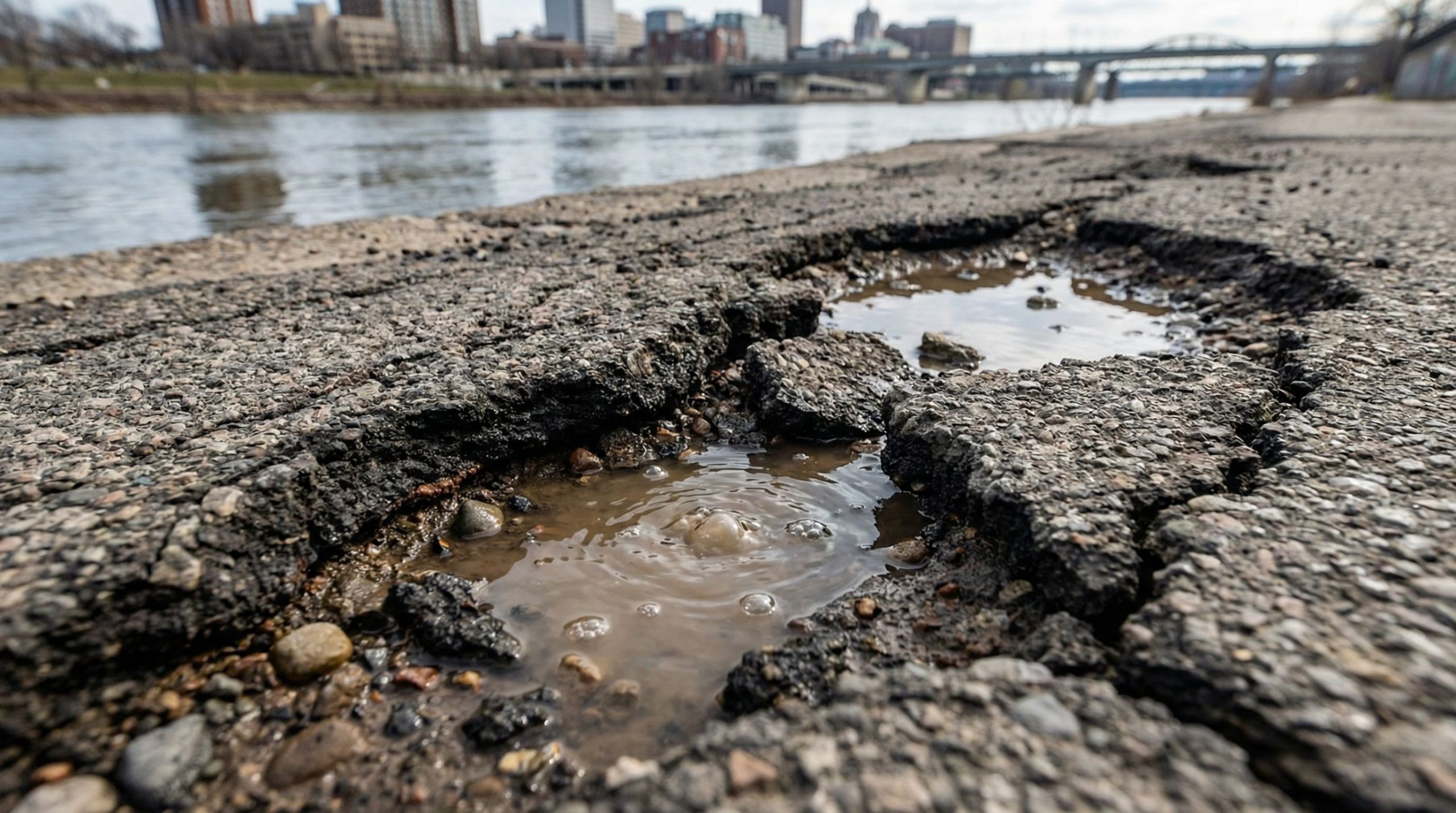
We hear about rising sea levels all the time. It’s the number one topic when we talk about the climate, isn’t it? And that’s only natural. But there’s something else—perhaps even more insidious—happening literally right under our feet without us really paying attention.
Imagine massive cities like Bangkok, Dhaka, Cairo, or Jakarta. Millions of people. Well, these places share a disturbing secret: they’re sinking. And I’m not talking about a few millimeters over a century. No, the ground in these deltas is sinking faster—much faster—than the ocean is rising.
This reality struck me while reading a major study published in the journal Nature on January 14, 2026. This is no minor, marginal issue: it completely upends the safety of hundreds of millions of people. We’re going to have to discuss this seriously, because ignoring these local dynamics and focusing only on global climate change is a bit like staring at the horizon while the ground is giving way beneath our feet.
What the satellites are telling us: the Earth is sinking at breakneck speed
So, let’s look at the numbers, because they’re mind-boggling. A team of top-notch researchers—led by the University of California, Irvine, with help from Virginia Tech, Columbia, and others—spent ten years poring over data. They used radar images from the European Sentinel-1 satellite. The precision is staggering: they have measurements every 75 meters, covering the period from 2014 to 2023. It’s an unprecedented global map—honestly, we’ve never seen anything like this at such high resolution.
To give you an idea of the scale, global sea level rise is estimated at about 4 mm per year. But in these areas, subsidence—that’s the technical term for sinking—often exceeds this figure, with much higher local peaks. Take the Chao Phraya in Thailand, the Brantas in Indonesia, or the Yellow River in China. There, the average subsidence reaches 8 mm per year. That’s twice the rate of sea-level rise! In some very localized areas, it even exceeds 15 mm per year. That’s enormous.
Professor Leonard Ohenhen of UC Irvine explains very clearly that this subsidence often outweighs other factors. In total, researchers estimate that approximately 460,000 km² of deltas are currently subsiding. That’s colossal. It represents between 54 and 65% of all habitable deltaic land on Earth. Suffice it to say, this is no time to look the other way.
Why is the ground sinking? (Spoiler: it’s our fault)
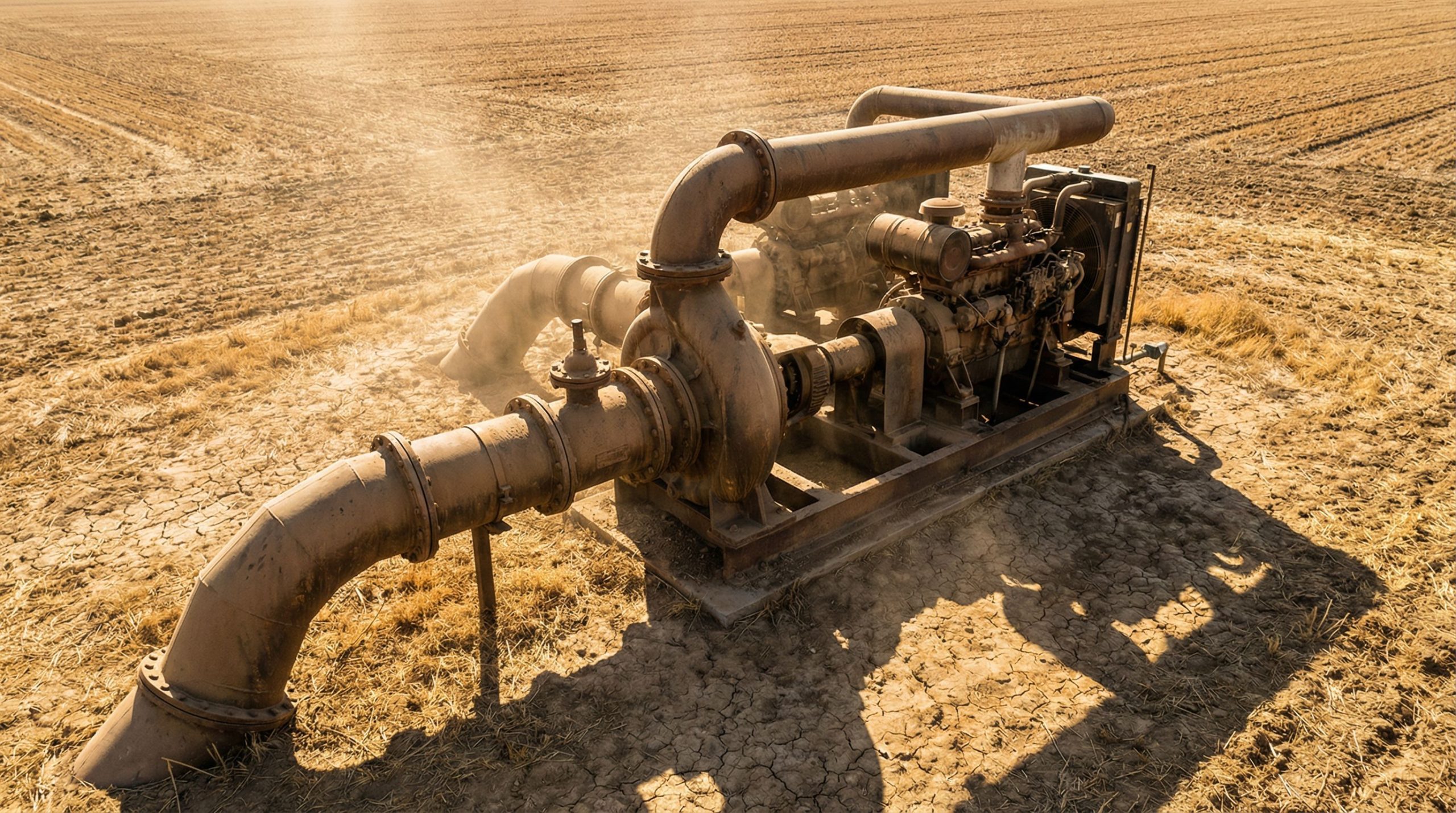
You might think nature is just playing tricks, but… not really. The researchers’ analysis is clear: the causes are anthropogenic. That’s a fancy word for saying that we, humans, are the ones causing this. They studied three main factors using a machine learning model: groundwater extraction, urbanization, and a lack of sediment.
In 35% of the deltas analyzed, the link is direct. Add urbanization to the mix. When concrete towers are built everywhere, they’re heavy—very heavy. They crush the ground. And more cities mean more water consumption, which means even more pumping. It’s a vicious cycle.
There’s also the issue of sediment. Normally, rivers carry soil that fills in natural subsidence. But with our dams and levees, we prevent these sediments from reaching their destination. The result: the ground sinks, but nothing comes to raise it back up. That said, it depends on the region. The Mekong and the Ganges suffer mainly from pumping, while the Mississippi, for its part, mourns its lost sediments.
Inequality in the Face of Disaster: The “Unprepared Divers”
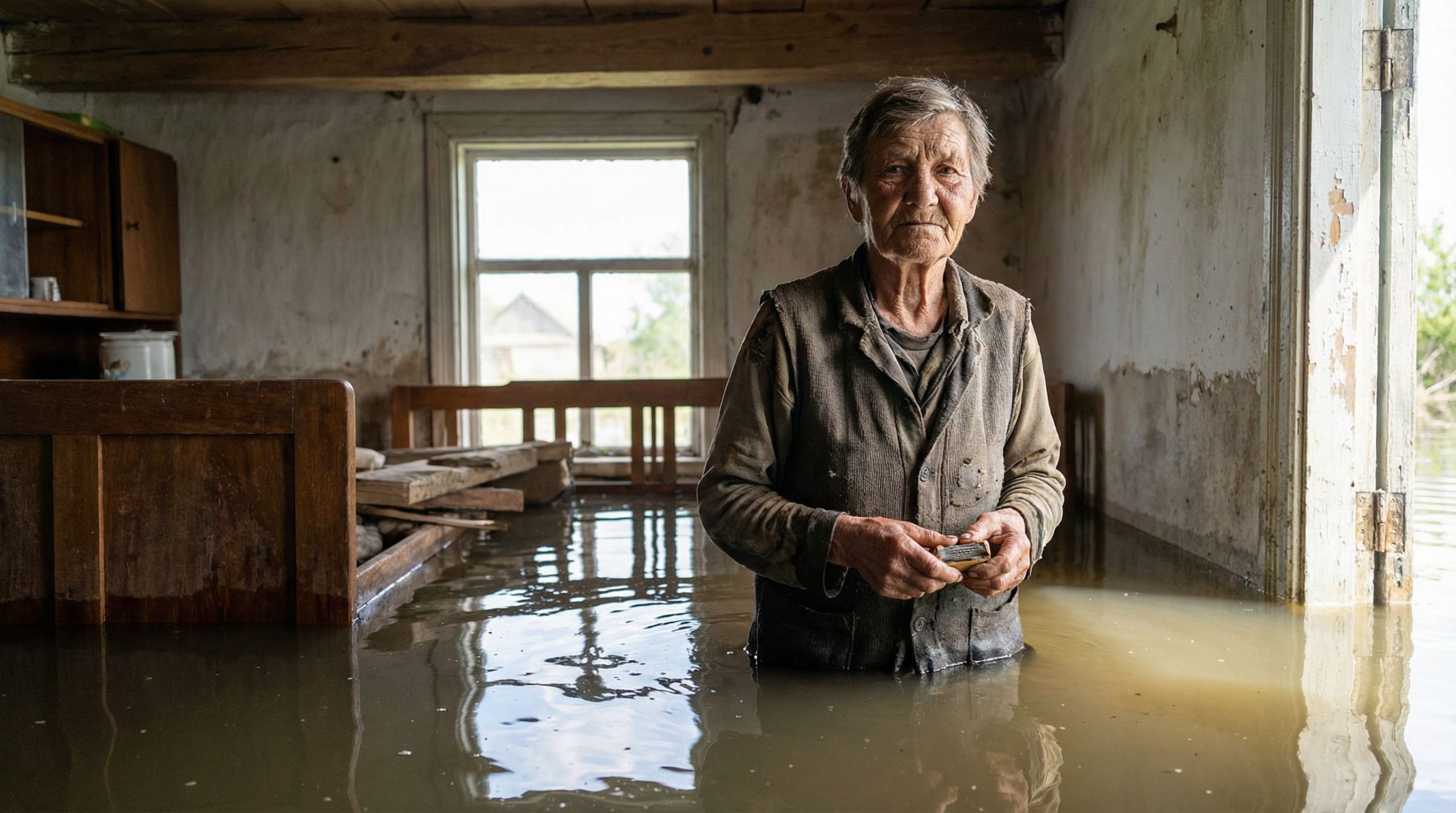
What bothers me most about this story is the human impact. We’re talking about 500 million people living there. Among them, 236 million are already in areas where the ground is sinking faster than the sea is rising. It’s frightening.
And as is often the case, we are not all equal in the face of danger. The study cross-referenced its data with the ND-GAIN index, which measures countries’ adaptive capacity. The findings are grim: 65% of the deltas are in countries that lack the means to defend themselves. Researchers call them the “Unprepared Divers.” This is the case for the Niger, the Ganges, and the Mekong.
Conversely, wealthy countries like the United States, China, and the Netherlands have the resources. The Rhine–Meuse Delta, for example, has an incredible flood management system. But beware: even they are not invincible. The Mississippi has lost 5,000 km² of land since 1932, and the Po River in Italy is suffering from salinization. As Professor Robert Nicholls points out, land subsidence is often a far more immediate threat than global climate change. We’re going to have to adapt—and fast.
Conclusion
Ultimately, this study from January 14, 2026, sends us a clear warning. We can no longer be content to look at global warming graphs while ignoring what is happening locally. Adaptation must take this “relative rise”—including the ground—into account.
As Professor Ohenhen points out, this is a manageable threat, but for now, it isn’t being given enough priority. If we continue to pump our aquifers without thinking, we are literally sawing off the branch—or rather, the ground—on which we sit.
Forget rising sea levels: the real danger lies beneath our feet
This content was created with the help of AI.


