Skip to content

A Broader Perspective on Heart Disease

Heart disease now affects nearly half of all adults in the United States, a statistic that reveals the scale of the current public health challenge. However, recent data indicate that heart problems, strokes, kidney disease, and diabetes often stem from the same underlying causes.

A major report from the American Heart Association highlights how lifestyle changes, early screening, and greater awareness could prevent much of this damage. It is no longer just a matter of looking at the heart in isolation, but of understanding how it interacts with the rest of the body.

Risk factors for heart disease are closely linked to blood sugar levels, blood pressure, cholesterol, body weight, sleep, and kidney function. This interconnectedness is redefining how medicine approaches prevention and treatment.

CKM Syndrome: A New Medical Classification

Doctors now use the term cardiovascular, renal, and metabolic syndrome—or CKM syndrome—to describe this complex physiological connection. CKM syndrome follows a specific trajectory from good health to advanced disease, progressing through several stages over time.

Data from national surveys, notably the National Health and Nutrition Examination Survey (NHANES), reveal just how common this syndrome has become. Among adults, only about 10.6% remain at Stage 0, which corresponds to optimal health. Conversely, nearly half of the adult population is in Stage 2, while more than 14% reach the advanced stages 3 or 4.

The risk of death from heart disease increases sharply in these advanced stages of CKM. It is worth noting that women experience even greater increases in risk than men across these different stages.

Diabetes and the Kidneys: Ubiquitous Warning Signs
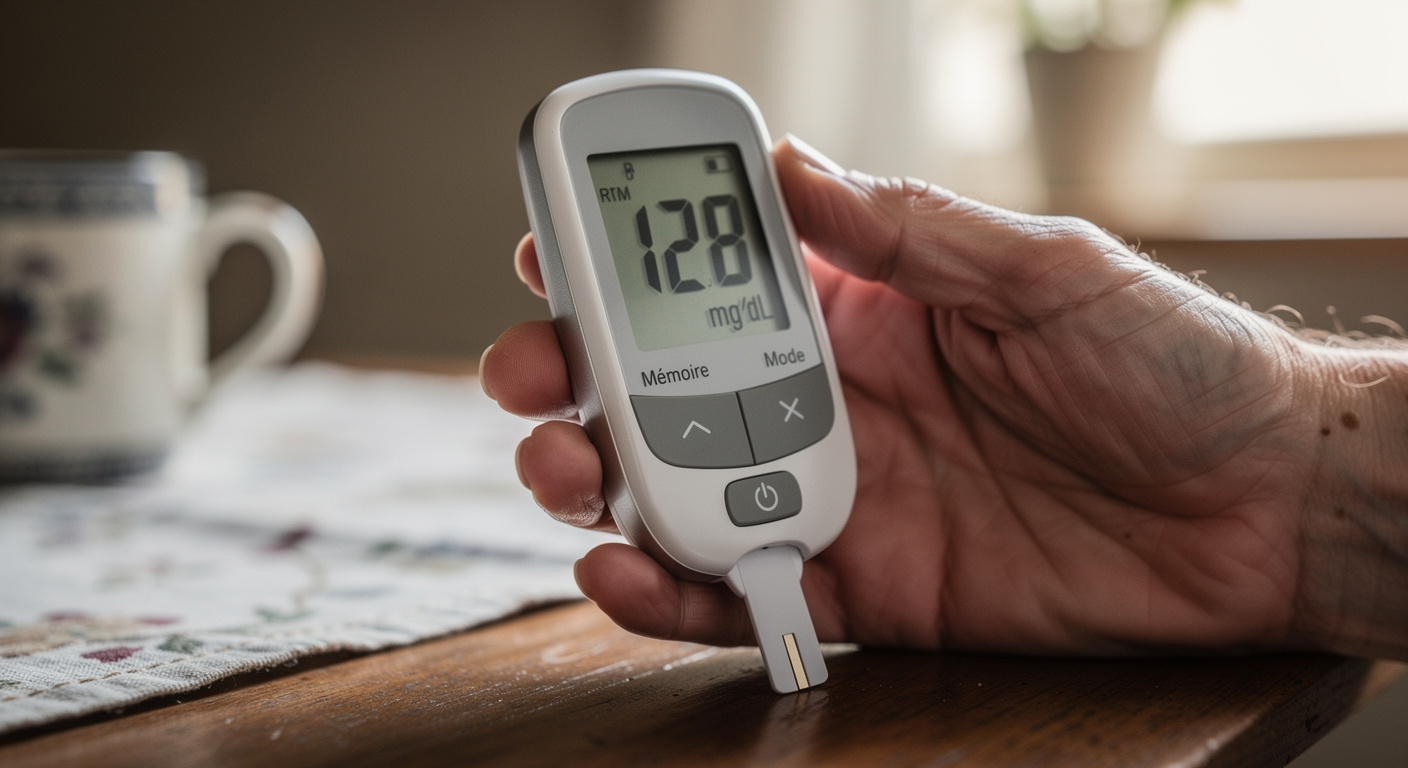
Diabetes continues to gain ground. Recent national data show that 29.5 million adults have been diagnosed with diabetes, while 9.6 million adults are living with undiagnosed diabetes. In addition, 96 million adults have prediabetes. This trend also affects young people: approximately 8.4 million adolescents aged 12 to 17 show signs of prediabetes. Elevated blood sugar levels over time damage blood vessels, increase the risk of heart attack, and harm the kidneys.

Kidney disease is strongly linked to heart disease and diabetes. Data show that cases of advanced kidney disease have increased since the early 2000s, although the rate of new cases has declined slightly in recent years. Even mild kidney problems increase the risk: reduced kidney function and small amounts of protein in the urine double the risk of death and nearly triple the risk of death from heart disease.

Despite this serious risk, many clinical trials still exclude patients with kidney disease, limiting our understanding of the best available treatments for this specific population.

The 8 Essentials of Life and Projections for 2050

The American Heart Association introduced “Life’s Essential 8” to measure cardiovascular health. These eight key areas include diet, physical activity, smoking status, sleep, body weight, blood pressure, cholesterol, and blood sugar. A meta-analysis of 59 studies revealed that optimal cardiovascular health is associated with a 74% lower risk of heart disease compared to poor cardiovascular health.

However, the outlook for the future is concerning if current trends continue. Projections suggest that hypertension could rise from 51.2% in 2010 to 61.0% by 2050. Diabetes, meanwhile, could rise from 16.3% to 26.8% over the same period.

Obesity, another major risk factor, could increase from 43.1% to 60.6%. High blood pressure, diabetes, obesity, and abnormal cholesterol levels are already on the rise in many population groups, underscoring the urgency of a comprehensive approach.

Sleep, physical activity, and nutrition: habits to reevaluate

Sleep plays a major role in heart and metabolic health. About 30.5% of adults report at least one hour of sleep debt. Poor sleep is linked to higher rates of high blood pressure, type 2 diabetes, obesity, and physical inactivity.

Physical activity also remains insufficient. Only 1 in 5 young people meets daily activity goals. Globally, about one-third of adults fail to meet recommended activity levels.

Nutrition also requires significant improvements. Scores related to diet remain among the weakest components of the “8 Essentials of Life.” These daily habits directly shape the risk of developing heart disease.

Stroke and Heart Failure: A Mixed Picture
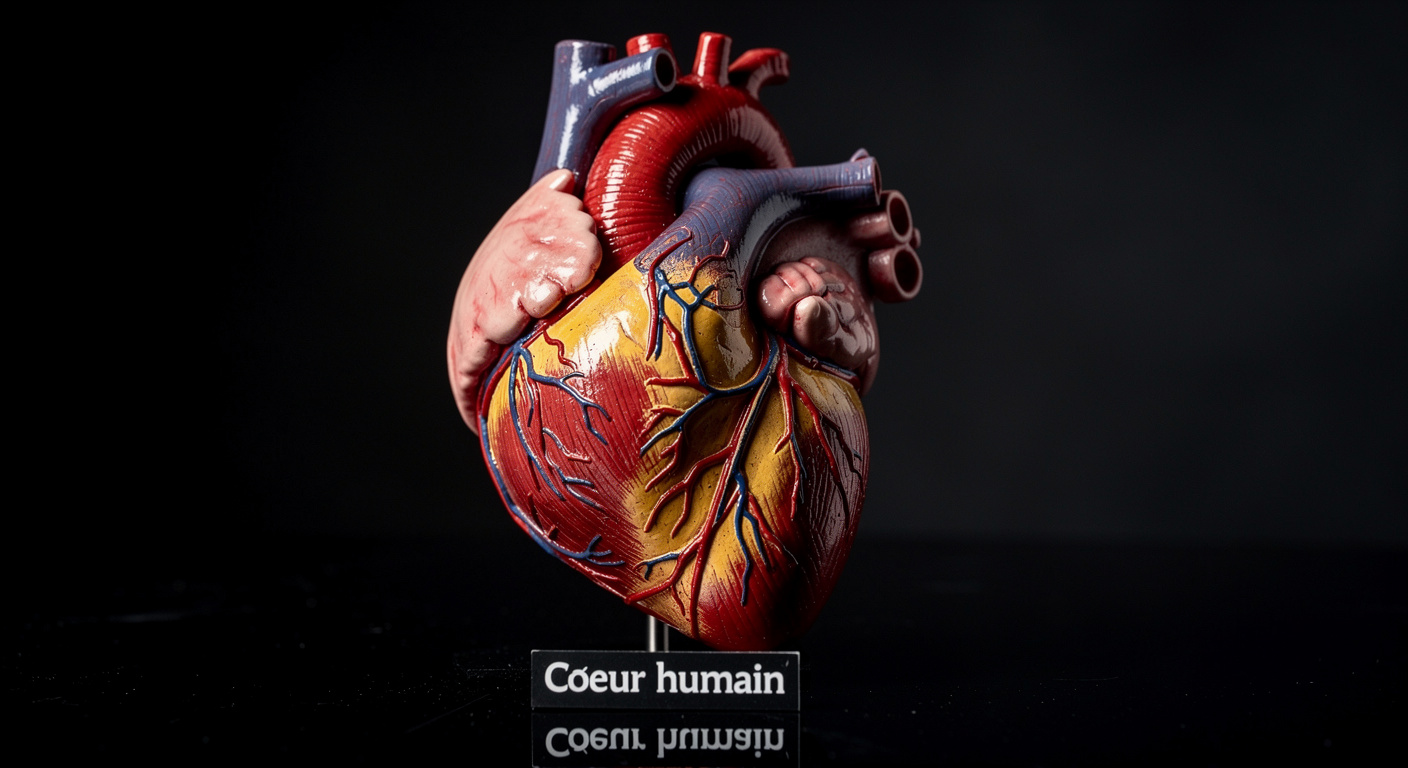
Cardiovascular diseases as a whole affect 48.9% of adults over the age of 20. While the risk of stroke has decreased over the decades, disparities persist: Black adults still face much higher rates compared to White adults.

Cases of heart failure continue to rise. Approximately 7.7 million adults are currently living with heart failure. In 2023 alone, heart failure caused nearly 90,000 deaths in the United States.

These figures serve as a reminder that cardiovascular health does not depend on a single organ. Blood vessels, kidneys, metabolism, sleep, diet, and physical activity all shape future risk.

Prevention: Take Action Today for Tomorrow

Up to 80% of heart attacks and strokes can be prevented through early screening, a healthy lifestyle, and appropriate treatment. Regular checks of blood pressure, cholesterol, blood sugar, kidney function, and waist circumference can help detect problems early.

Stacey E. Rosen, a physician and volunteer president of the American Heart Association, emphasizes the importance of this holistic approach: “We encourage people to recognize the connection between these conditions so that they can, together with their healthcare team, consider their overall health beyond individual conditions.”

She adds a crucial point for patients’ future: “Understanding this connection helps you better prevent complications through lifestyle changes and appropriate treatment.” Raising awareness and taking action today can prevent disability, reduce medical costs, and save lives tomorrow. This study is published in the journal Circulation.

Source: earth.com

Created by humans, assisted by AI.

Heart Health: Why the Real Danger Doesn’t Come Only from the Heart

This content was created with the help of AI.

facebook icon twitter icon linkedin icon
Copied!

Commentaires

0 0 votes
Article Rating
Subscribe
Notify of
guest
0 Comments
Newest
Oldest Most Voted
Inline Feedbacks
View all comments
More Content