

A Three-Decade-Old Marine Mystery
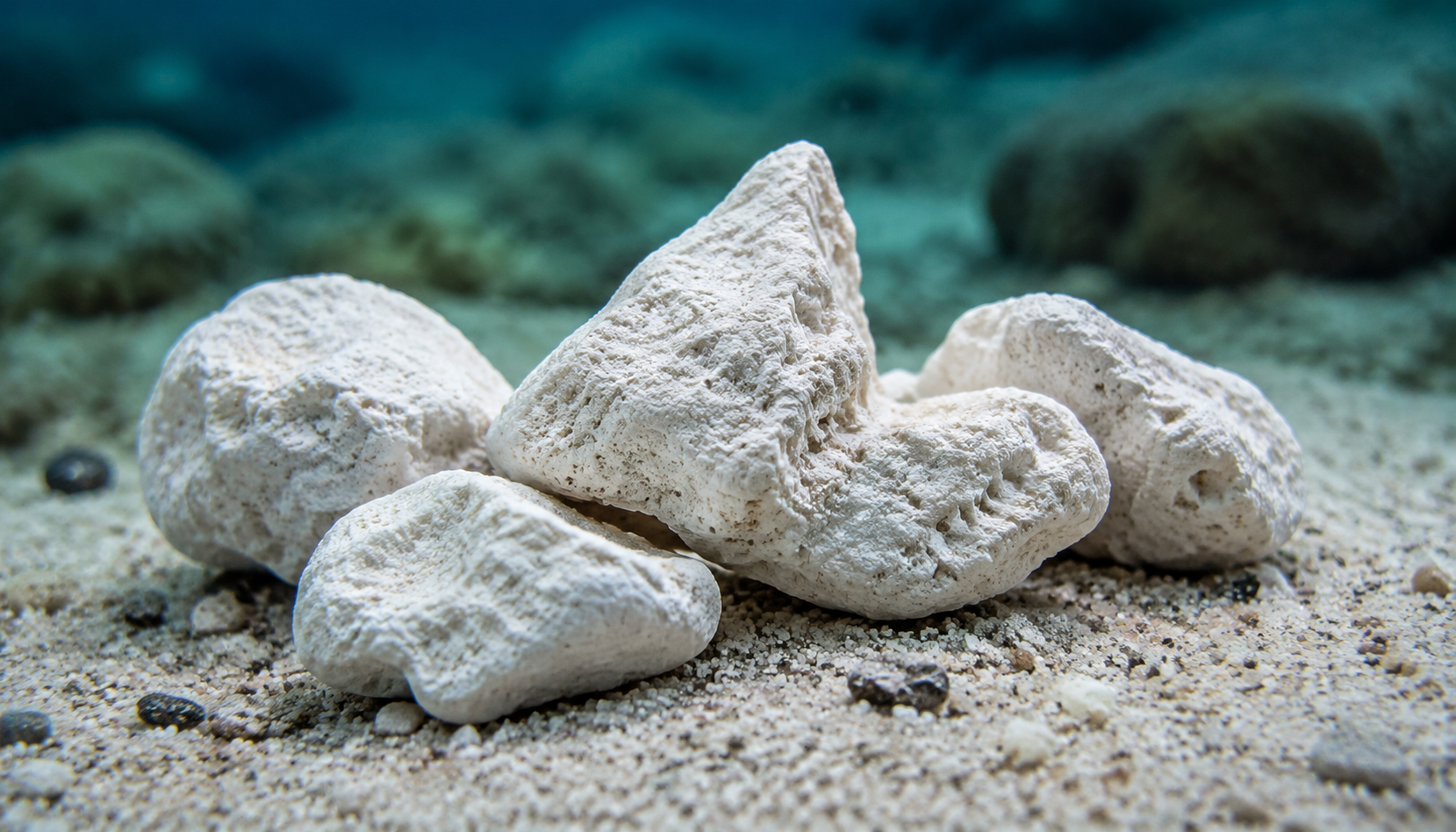
The Vital Mechanism of Ichthyocarbonates Redefined
For decades, the scientific community attributed this chemical feat solely to the fish’s physiology. Experts believed that enzymes and transporters in the intestinal tract performed all the complex work. A few proteins had been identified, the mechanism seemed clear, and this chapter of marine biology appeared to be closed.
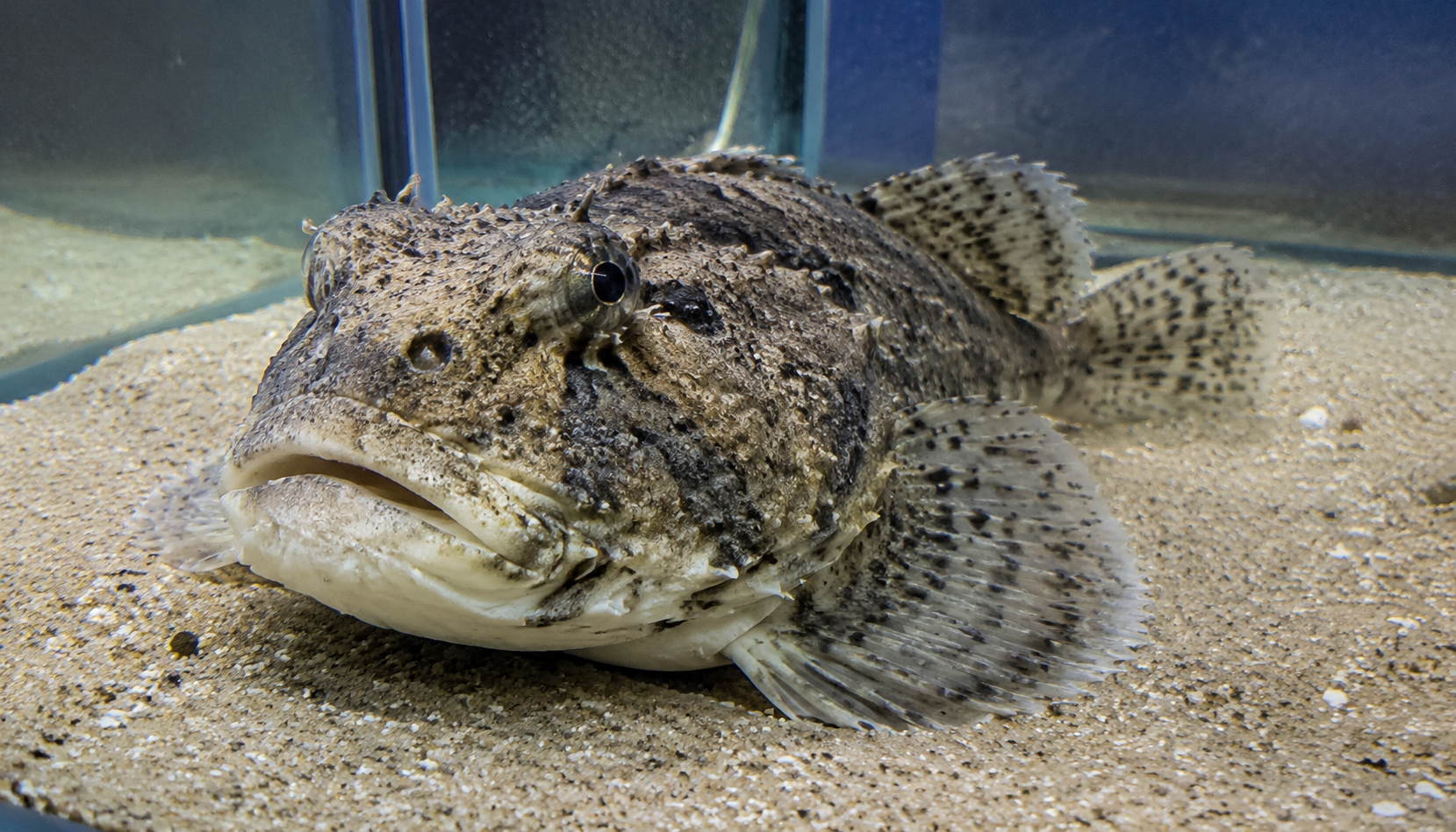
It was a team from the University of Miami (UM) that recently challenged this dogma. Anthony Bonacolta, a former graduate student in the university’s Department of Marine Biology and Ecology, led this groundbreaking research. Together with his colleagues, he discovered that bacteria residing in the fish’s gut likely play a central role. The animal, therefore, does not act in isolation.
The Gulf toad at the heart of the experiment
An Unexpected Alliance Between Fish and Bacteria

Among the microscopic organisms analyzed, one group in particular caught the researchers’ attention. Bacteria of the genus Vibrio, along with their close relatives, were teeming on the mineral pellets, at a concentration significantly higher than that observed elsewhere in the digestive system. A specific species, Photobacterium damselae—capable of breaking down urea and previously known mainly as an occasional disruptive agent—was clustering in large numbers where the minerals were forming.
These bacteria did more than just passively attach themselves. Measured genetic activity revealed the production of bicarbonate, the essential raw material for the formation of these solid residues. Further laboratory analysis confirmed that this same ability was encoded throughout the entire microbial community. The fish would thus provide some of the chemical elements, while the bacteria would potentially contribute far more—a hypothesis entirely unprecedented in the scientific literature.
Dr. Martin Grosell, professor of ichthyology and department chair at the university, who co-led the study, compares this dynamic to other well-documented marine symbioses, such as coral reefs supported by microbes or the bobtail cuttlefish, which uses a luminescent bacterium to evade predators. “What was previously thought to be a process driven solely by the fish may in fact reflect a close symbiosis between the fish and its gut microbial community,” he explains, noting that these long-overlooked organisms could be active contributors.
A Colossal Impact on Global Carbon Storage
It is on this scale that the study goes beyond the realm of mere biological curiosity. Every year, marine fish generate an astronomical volume of mineral pellets. Recent estimates, in fact, rank them among the ocean’s leading producers of carbonate, even rivaling floating plankton, which has traditionally been credited with this role. This massive production directly influences how the oceans manage carbon on a global scale.
As they sink into the abyss, these deposits dissolve and alter the chemistry of the water, which impacts the ocean’s overall carbon absorption capacity. Furthermore, a study has shown that organic coatings on these minerals slow their decomposition, allowing some of the carbonate to sink deep before disappearing. With climate change, warming and ocean acidification are forcing fish to produce even more of these deposits, thereby increasing their contribution to the ocean cycle.
The researchers’ conclusion is clear: a phenomenon previously attributed exclusively to marine fauna turns out to be the result of a joint effort with bacteria. Although this study acknowledges its limitations—since it is based on a single species studied in a tank with a modest number of specimens, and the exact proportion of bacterial activity remains to be quantified—it raises a crucial question. If this partnership is confirmed in other species, models for estimating marine carbon storage will need to incorporate these gut microbes. A separate article on deep-sea fish has already identified the mid-pelagic zone—which remains largely understudied—as another likely major contributor.
Source: earth.com
How Fish Gut Bacteria Influence the Overall Health of Our Oceans


