

An Invisible Threat Moving Northward

We often mistakenly assume that certain diseases are confined to the tropics, far from our European vacation destinations. Yet the reality is sometimes more… surprising. Take schistosomiasis, also known as bilharzia. It’s a disease caused by schistosomes—tiny parasitic worms—that affects more than 240 million people worldwide. These people live with the parasite in their bodies, often without even knowing it. It’s mind-boggling when you think about it.
The concern is that the complications can be severe. We’re talking about risks ranging up to liver or bladder cancer. Today, combating this scourge is no longer just a local issue for countries in the Global South; it has become a global challenge that, I believe, requires constant vigilance and international cooperation, because our environment is changing—and so are diseases.
How a Parasite Works: From the Snail to Our Organs
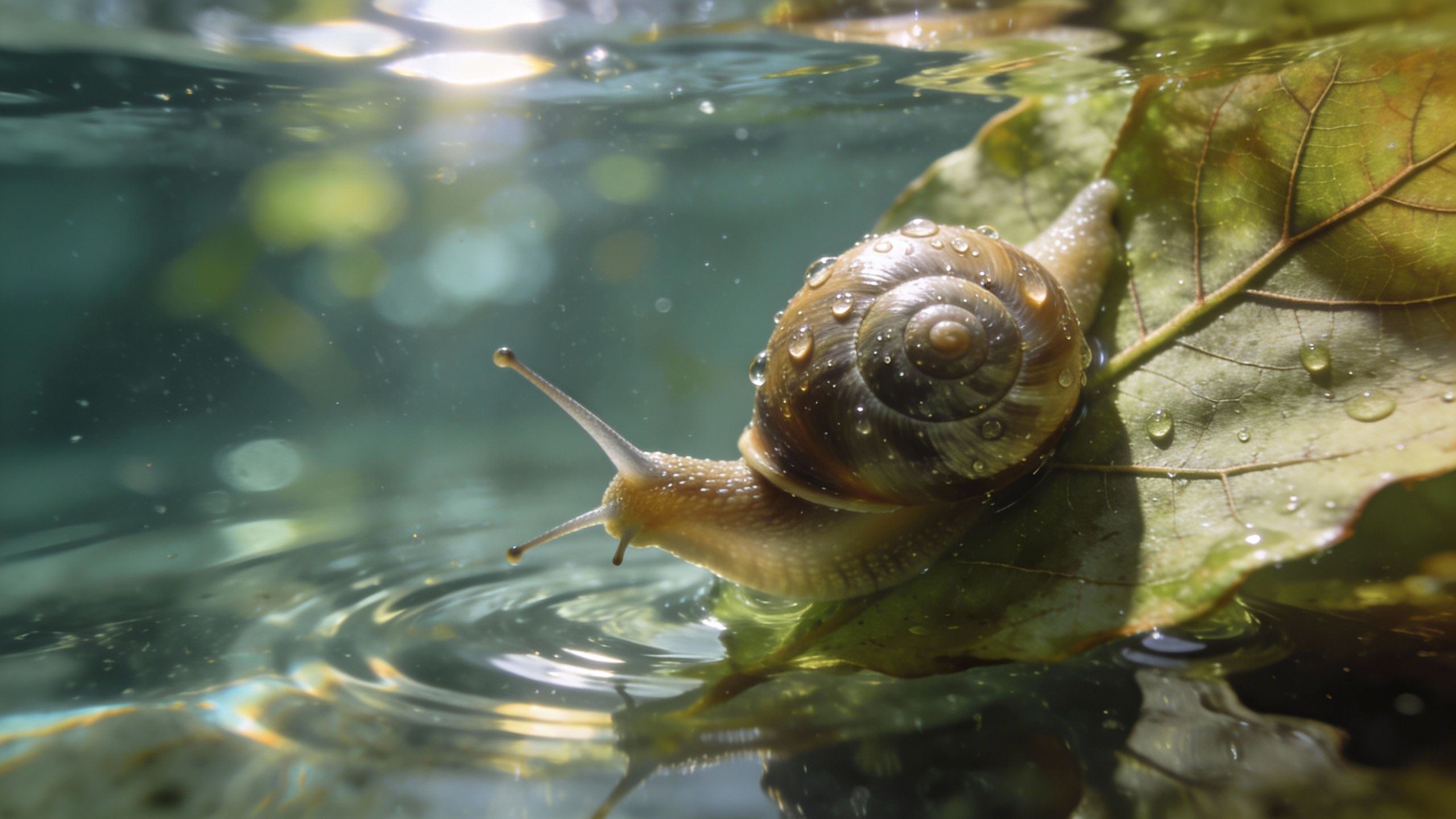
But how exactly do you catch it? It’s all about a life cycle—a bit complex but fascinating. It all starts with small freshwater snails. Schistosome larvae infect these mollusks, multiply inside them, and presto, they’re released into the water. They then look for a mammal—it could be a rodent, livestock, or us humans—that happens to be swimming nearby. Upon contact, the larvae pierce the skin, make their way to the liver to mature into adults, and eventually settle in the veins near the intestine or bladder.
It’s important to note that symptoms vary greatly depending on the species. For intestinal schistosomiasis (caused by Schistosoma mansoni, found in Africa, Brazil, and the Caribbean), symptoms include abdominal pain, diarrhea, and blood in the stool. If left untreated, there is a risk of hepatomegaly (an enlarged liver), sometimes accompanied by ascites (fluid in the abdomen) and an enlarged spleen (splenomegaly). In advanced stages, there is a real risk of liver cancer.
Other variants exist: Schistosoma japonicum is prevalent in China and the Philippines, while Schistosoma mekongi affects Cambodia and Laos. In Central Africa, Schistosoma guineansis is also found. As for the form of concern in Europe, it is urogenital schistosomiasis, caused by Schistosoma haematobium. The typical symptom here is hematuria—that is, blood in the urine. Over the long term, this can cause fibrosis of the bladder, damage the kidneys, and lead to bladder cancer. In children, it often causes anemia and stunted growth. It’s a serious condition—very serious indeed.
A global tour of infection hotspots, from the Amazon to Corsica

This parasite is a master of adaptation. It needs only three things: water, a specific snail, and the parasite itself. In West Africa—in Senegal or Benin, for example—stable temperatures and rivers are havens for snails of the genera Biomphalaria and Bulinus. In a city like Ganvié in Benin, transmission occurs year-round. It’s part of their daily lives.
Across the Atlantic, in Brazil, the intestinal form predominates, primarily in the snail Biomphalaria glabrata. It was once thought to be a rural problem, linked to a lack of drinking water, but to our astonishment, we’re now discovering outbreaks in urban areas! Sometimes due to rodents, sometimes due to inadequate sanitation. In Asia, it’s yet another story altogether with Schistosoma japonicum. This parasite infects everyone: humans, cattle, and rodents. With traditional rice farming and flooding, exposure is constant, and the snail vector, Oncomelania hupensis, thrives in these wetlands.
Climate, Dams, and the Future: Why Vigilance Is Essential

What’s worrying is that our activities seem to be rolling out the red carpet for the parasite. Every new dam and every irrigation system creates still waters that snails love. Add to that ecotourism, which takes travelers to remote areas, and you have the perfect cocktail. Not to mention climate change. Rising temperatures and shifting rainfall patterns are providing new habitats for these vectors.
Models already predict that southern Europe—the entire Mediterranean basin, in fact—could become a sustained transmission zone. Snails such as Planorbarius metidjensis and Bulinus truncatus are already there, in southern Europe. They’re just waiting for the parasite. In the lab, researchers are working tirelessly with international centers to understand these dispersal patterns, and perhaps even genetically modify the snails or parasites to render them harmless.
Swimming in Fresh Water: This Tropical Worm Is Now Finding Its Way Into Our Rivers
This content was created with the help of AI.


