

Celestial Mechanics Influenced by Human Activity

The distribution of mass on our planet’s surface follows inexorable physical laws. Moving massive volumes of water from underground aquifers to farmland, urban areas, and ultimately to the oceans alters the planet’s overall balance. According to information reported by journalist Tim Newcomb, this continuous transfer has ultimately altered the Earth’s very rotation.
On an astronomical scale, this shift seems infinitesimal, but precise measurements reveal a tangible reality. Between 1993 and 2010, scientific estimates indicate that the depletion of groundwater reserves caused the Earth’s rotational pole to shift by 31.5 inches, or about 80 centimeters.
A precise quantification of the imbalance

These figures come from a study published in 2023 in Geophysical Research Letters. In the study, researchers estimate that humanity pumped and depleted approximately 2,150 gigatons of groundwater between 1993 and 2010. By incorporating this massive movement of water into their model of polar motion, the scientists achieved a much closer alignment with the observed drift of the Earth’s rotational pole.
Ki-Weon Seo, a geophysicist at Seoul National University and the lead researcher on this study, commented on these findings in a public statement. “The Earth’s rotational pole actually shifts quite a bit,” he explains. “Our study shows that, among climate-related causes, the redistribution of groundwater actually has the greatest impact on the drift of the rotational pole.”
The Importance of Mid-Latitudes in Polar Drift
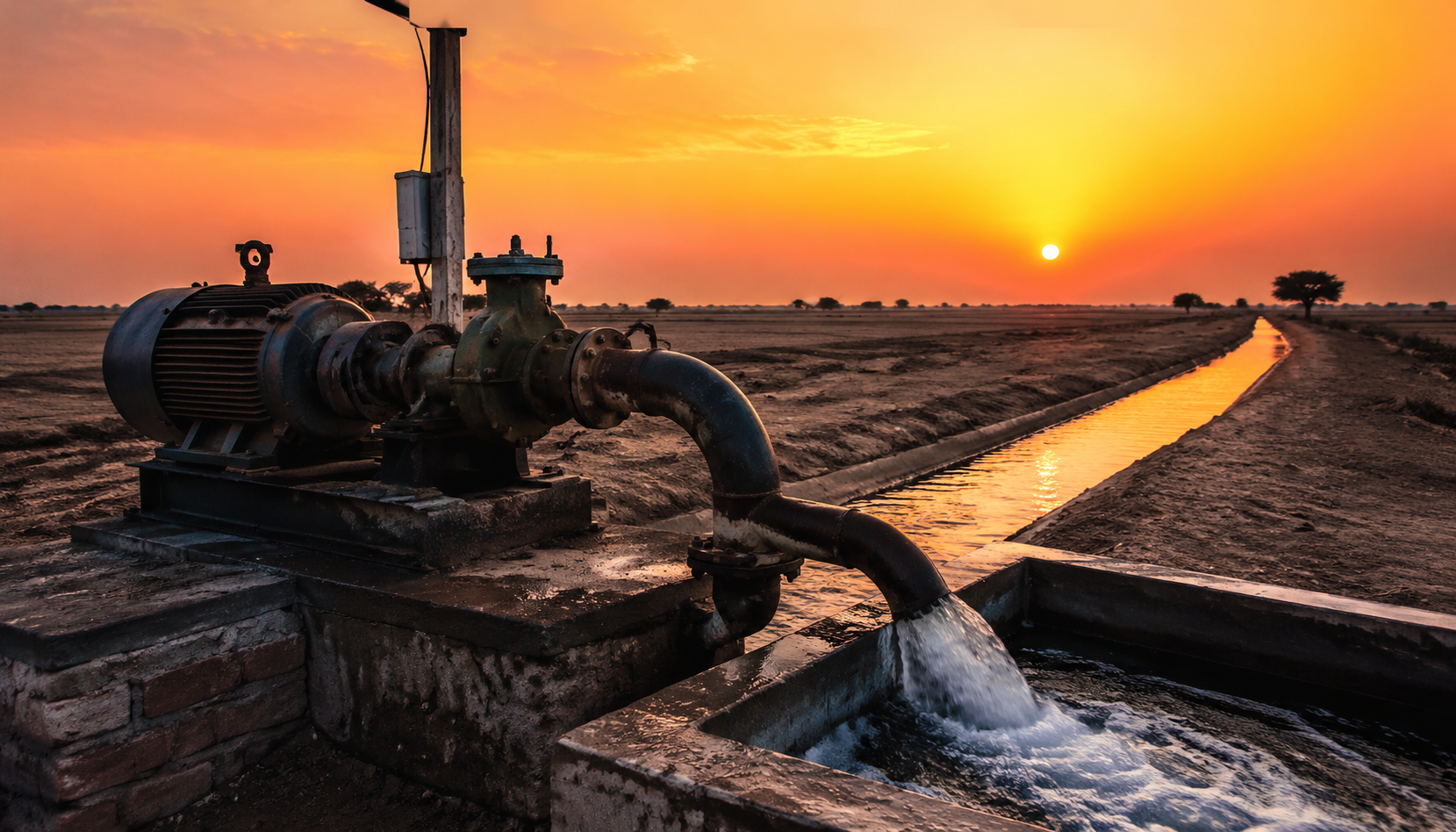
As part of this research, scientists modeled actual changes in the rotation pole and tested various scenarios for water redistribution. The model that best matched physical observations specifically incorporated this withdrawal of 2,150 gigatons. Surendra Adhikari, a researcher at NASA’s Jet Propulsion Laboratory and a participant in the initial 2016 study, highlights the importance of these advances. “They have quantified the role of groundwater pumping on polar motion,” he said in a press release, “and that’s quite significant.”
This confirmation sheds new light on phenomena that were previously poorly understood. “I am very pleased to have identified the unexplained cause of the rotation pole’s drift,” adds Ki-Weon Seo. “On the other hand, as an Earthling and a father, I am concerned and surprised to see that groundwater pumping is another source of sea-level rise.”
Ever-Evolving Hydrological Models
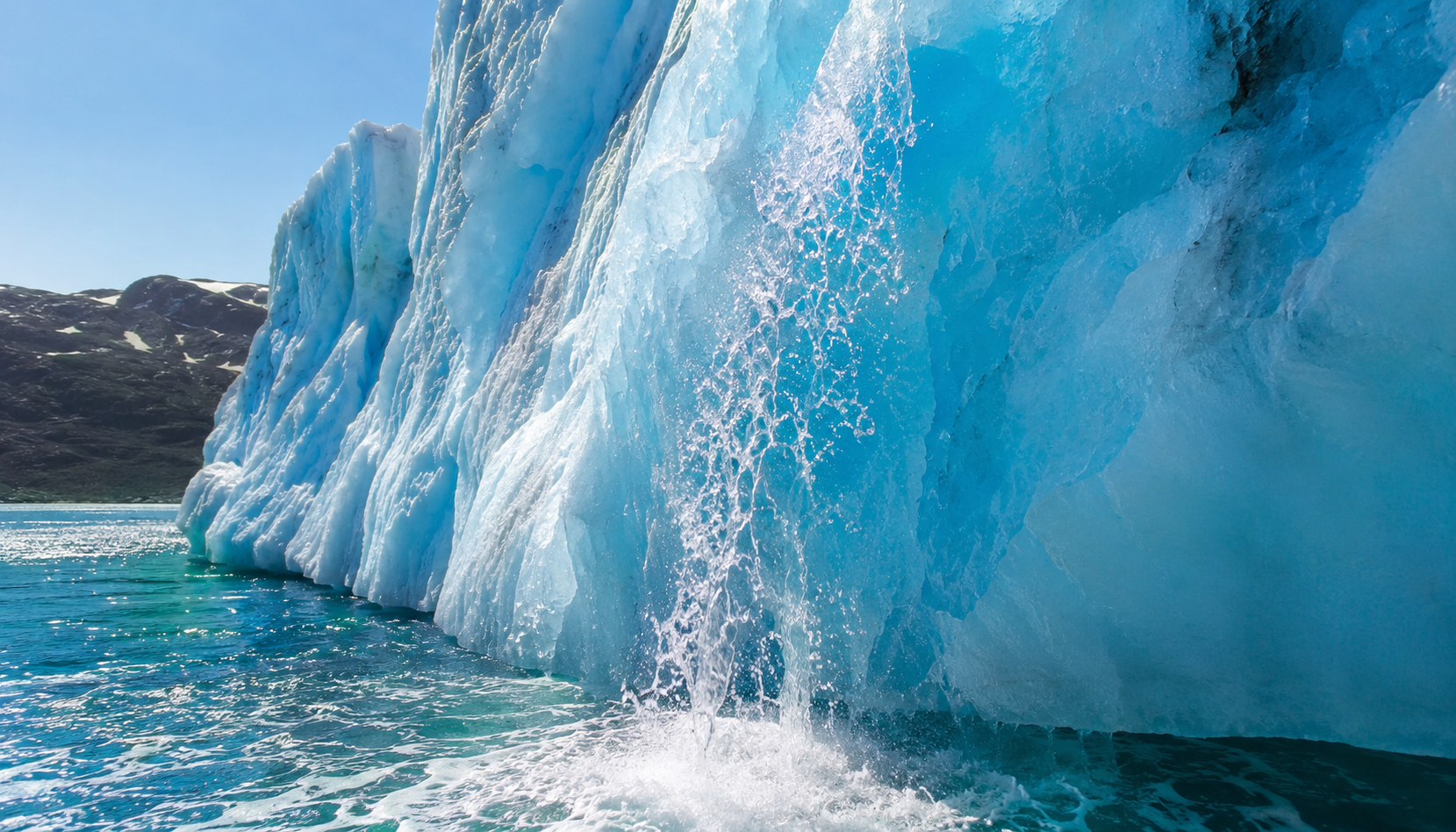
Understanding these mechanisms relies on increasingly sophisticated analytical tools. A reassessment published in 2026 in the Journal of Geodesy drew on the WaterGAP hydrological model. This research confirmed that terrestrial water storage plays a major role in polar motion across different time scales. However, according to this model, the long-term trend appears to be primarily driven by variations in snow water storage—linked to precipitation patterns—as well as by the melting of Greenland’s ice sheet. Groundwater and reservoir storage emerge as more modest factors, though they are still detectable.
Despite these advances, a longer-term perspective remains fundamentally necessary. The equation of planetary oscillation has not yet been fully solved, as it involves multiple variables: groundwater, snow, ice caps, glaciers, sea-level redistribution, dams, and even internal processes within the Earth’s core. “Observing changes in the Earth’s rotational pole is useful,” notes Ki-Weon Seo, “for understanding variations in water storage on a continental scale.”
Direct consequences for coastlines and deltas
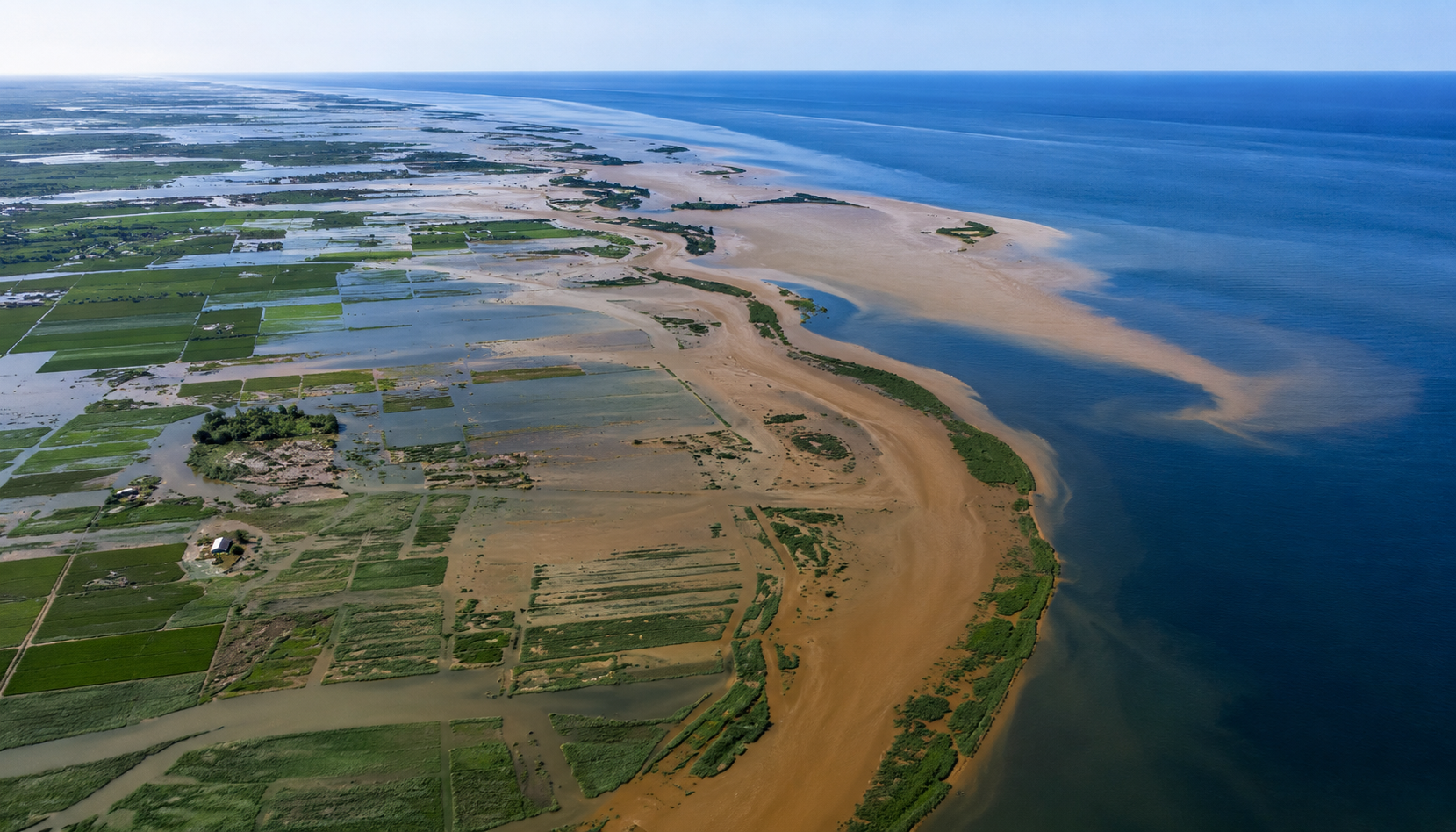
Massive water extraction not only alters the Earth’s axis but also physically reshapes inhabited coastlines. The depletion of aquifers causes land subsidence, exacerbates relative sea-level rise, puts pressure on coastal freshwater reserves, and facilitates saltwater intrusion into areas that depend on groundwater for their survival.
Prospects for recovery under certain conditions
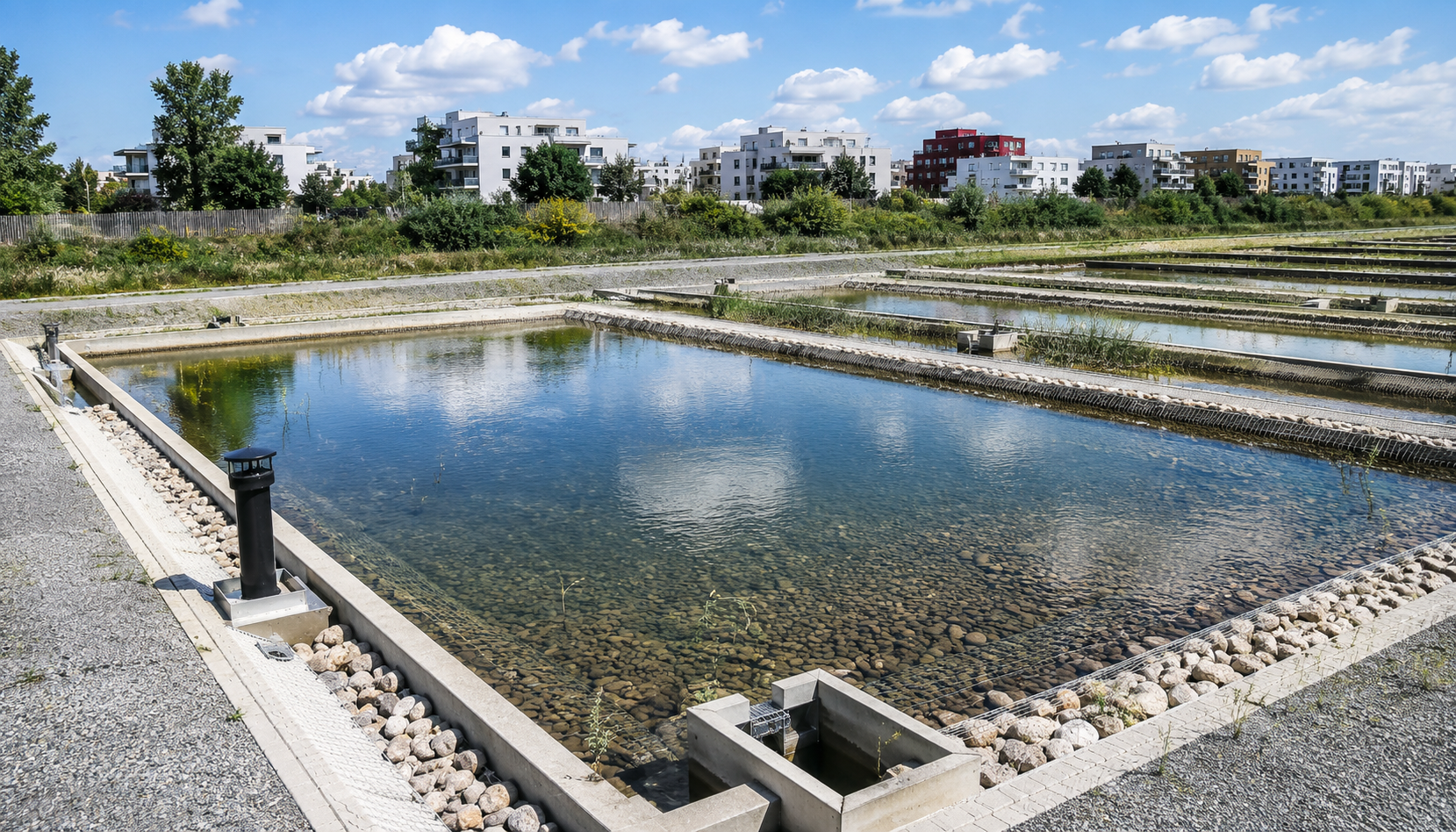
However, applying these remedies requires a case-by-case analysis. The study’s authors emphasize that these successes are not universal, off-the-shelf solutions. The fact that a specific basin manages to regenerate because a major city has found an alternative water source in no way guarantees that every arid region will have the same way out of the water crisis.
Source: popularmechanics.com
The Earth has tilted by 80 cm. A phenomenon that shouldn’t happen


