
Skip to content

Introduction

On a global scale, the range of human hair colors is overwhelmingly dominated by two main shades: black and brown. These dark colors are the norm for the overwhelming majority of the world’s population, relegating all other shades to the status of statistical exceptions.

The rarity of other natural hair colors stems primarily from a complex biological history. To understand why some hair colors differ from the brown and black norm, it is necessary to examine the mechanisms of heredity and genetics that govern the production of bodily pigments.

A Genetic Mechanism with Multiple Variables

The mechanisms underlying hair color were clarified by a large-scale scientific study published in 2018. This large-scale study, conducted on a sample of nearly 350,000 people, demonstrated that hair color does not depend on a single isolated factor, but rather on a complex interplay involving several genes working in synergy.

The researchers’ findings highlighted, in particular, the role of the MC1R gene. The study’s data indicate that this specific gene accounts for only about 73% of the heritability of red hair color. Other genes act in parallel to activate or deactivate the effects of this primary gene, thereby influencing the final shade of the hair.

The study also revealed an unexpected statistical phenomenon regarding these DNA sequences. The majority of individuals who happen to carry two variants of the MC1R gene do not develop red hair. In fact, in most cases, these individuals have blond or light brown hair.

Red Hair: The Most Exceptional Pigmentation
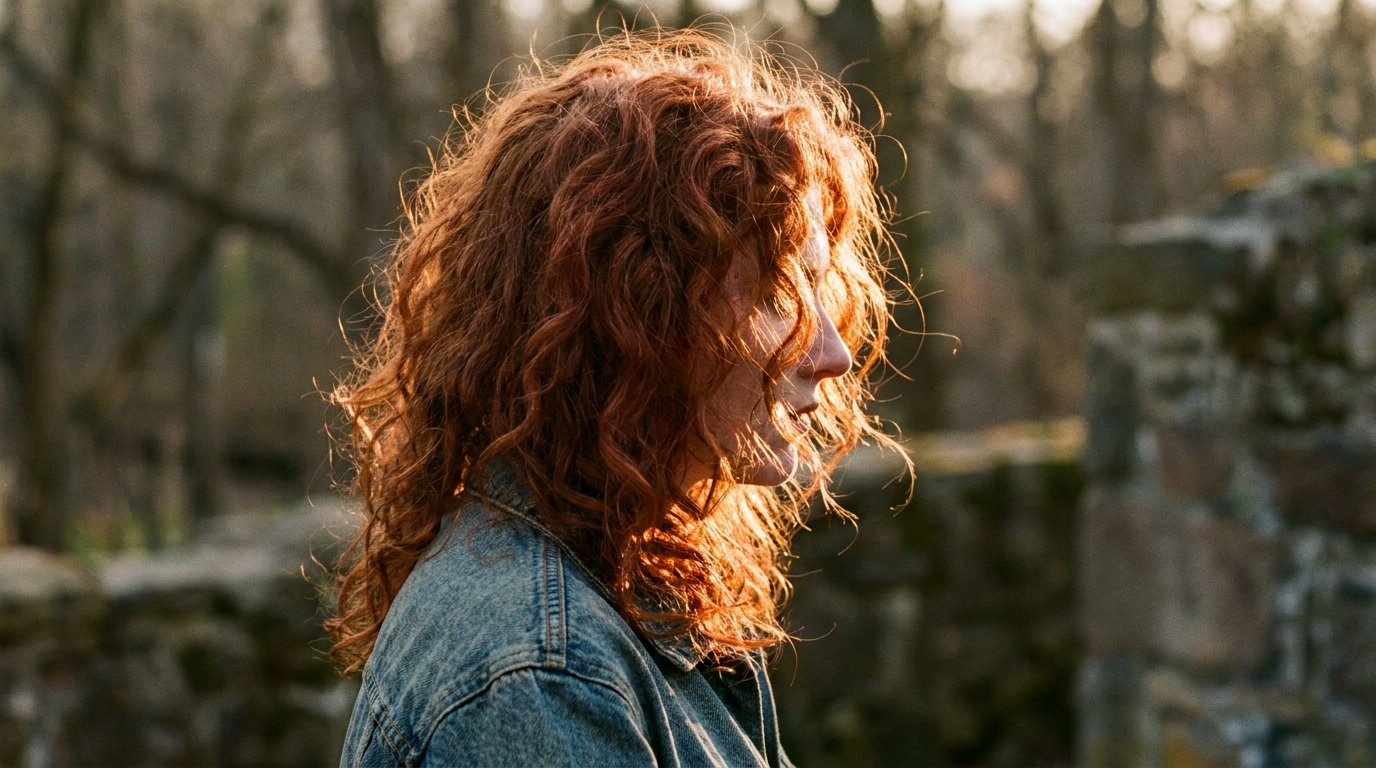
With an estimated prevalence of only 1 to 2% of the world’s population, red hair is the rarest natural hair color on the planet. This physical trait stems directly from certain variants of the specific gene mentioned earlier, the MC1R, whose primary function is to determine the type of melanin produced by the human body.

The function of this gene dictates an individual’s pigment profile. When it functions normally, the gene promotes the synthesis of eumelanin, a dark pigment. However, certain versions of this gene reduce this production in favor of another pigment, pheomelanin, which has a reddish-orange hue characteristic of red hair.

This pigmentation trait is distinguished by a major biological characteristic: it is a recessive genetic trait. Consequently, for an individual to be born with red hair, it is essential that they inherit a variant of this gene from each of their two parents—a biological requirement that logically explains the extreme rarity of this hair color worldwide.

Geographic Distribution and the Phenomenon of Invisible Transmission

The distribution of red hair around the world is characterized by significant geographic inequality. Rather than being evenly distributed across all continents, this hair color is concentrated very specifically among populations living in Northern and Western Europe.

In terms of prevalence, Scotland holds the world record, with approximately 13% of its population having red hair. Ireland follows this trend, with a rate of around 10% of its total population. These two nations thus constitute the main identified centers of this genetic trait.

However, the gene is much more widely distributed within these regions. In Scotland, up to 40% of the population carries a variant of the gene in a latent form, without physically expressing it. These individuals are known as “hidden carriers”: although they do not have the hair color themselves, they possess the genetic ability to pass it on to their future children.

The Situation of Natural Blondes and the Persistence of Rare Hair Colors
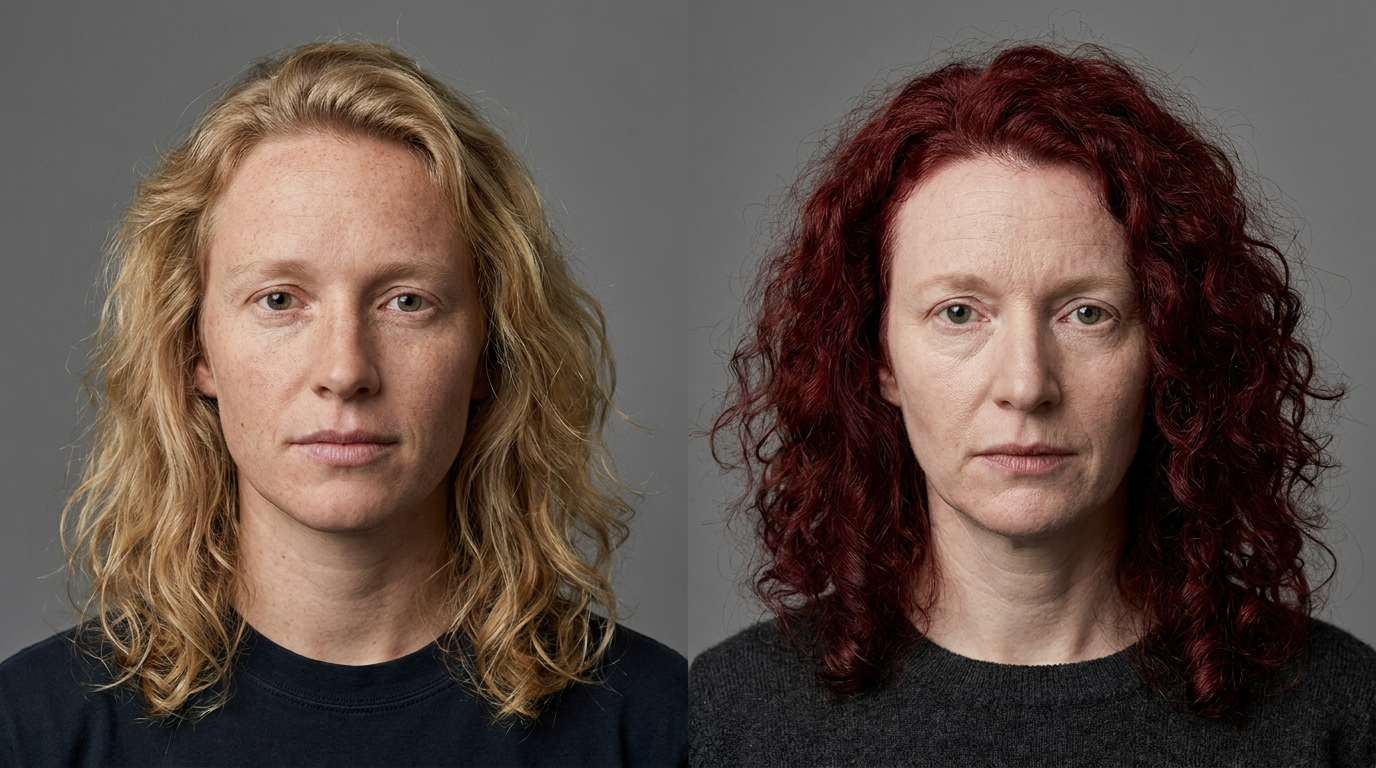
Just like red hair, natural blond hair is among the rarest hair colors worldwide, found in only about 2 to 3% of the global population. Although historically associated with Northern Europe and common in Scandinavia, blond hair becomes a distinct minority when the scope of observation is expanded to include all continents. This hair trait is also based on a central genetic foundation but operates according to a mechanism even more complex than the one determining red hair color.

The enduring fascination with red hair stems largely from the combination of its obvious statistical rarity and its unique genetic history. Despite its status as the rarest hair color in the world, this shade is not at risk of disappearing. The gene responsible for it continues to be passed down very discreetly from one generation to the next within populations.

Ultimately, although it remains a statistically uncommon physical trait, red hair is firmly rooted in human genetic heritage. The mechanism of invisible carriers ensures the survival and continued appearance of this hair color in future generations.

Source: ma-grande-taille.com

The Genetics of Hair Color: An Analysis of the World’s Rarest Natural Hair Colors

This content was created with the help of AI.

facebook icon twitter icon linkedin icon
Copied!

Commentaires

0 0 votes
Article Rating
Subscribe
Notify of
guest
0 Comments
Newest
Oldest Most Voted
Inline Feedbacks
View all comments
More Content