Skip to content

Fear is a matter of real danger
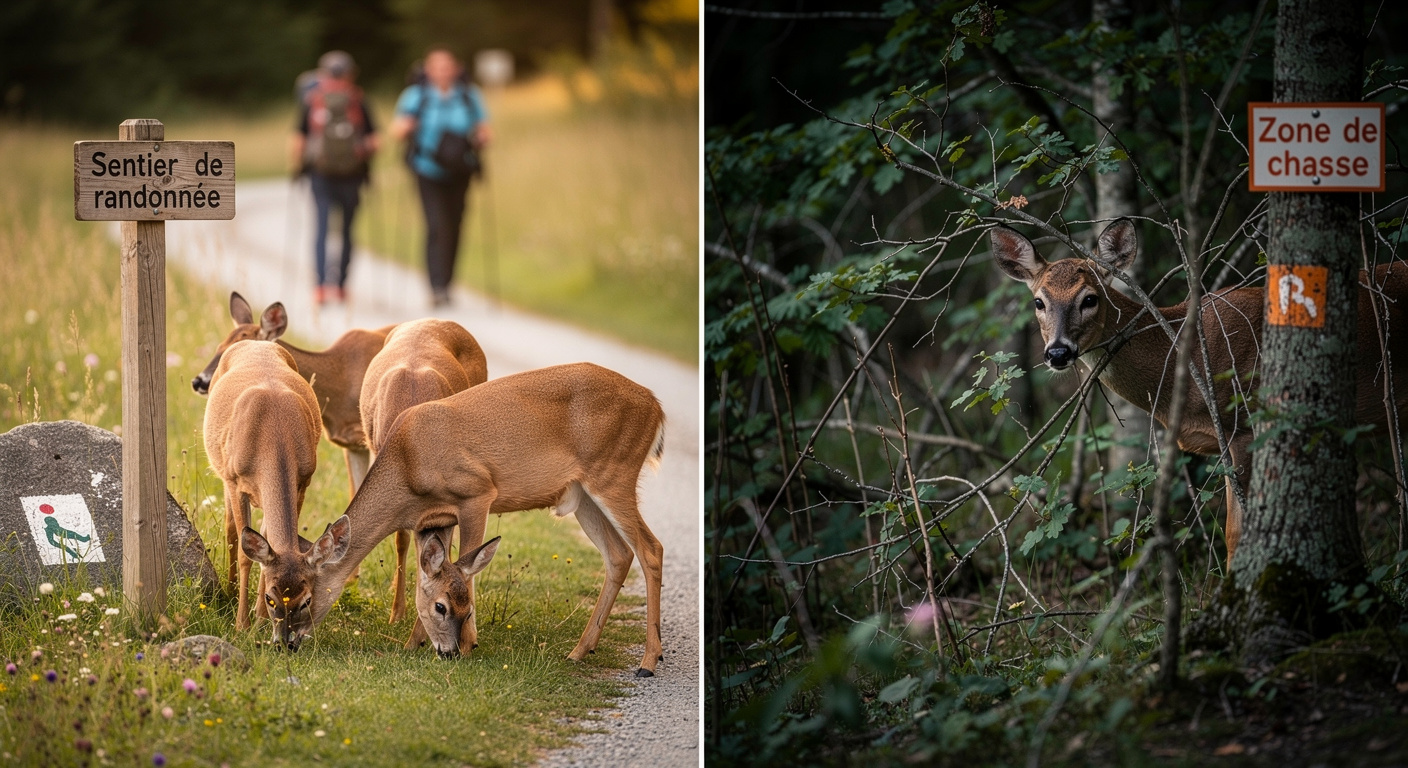
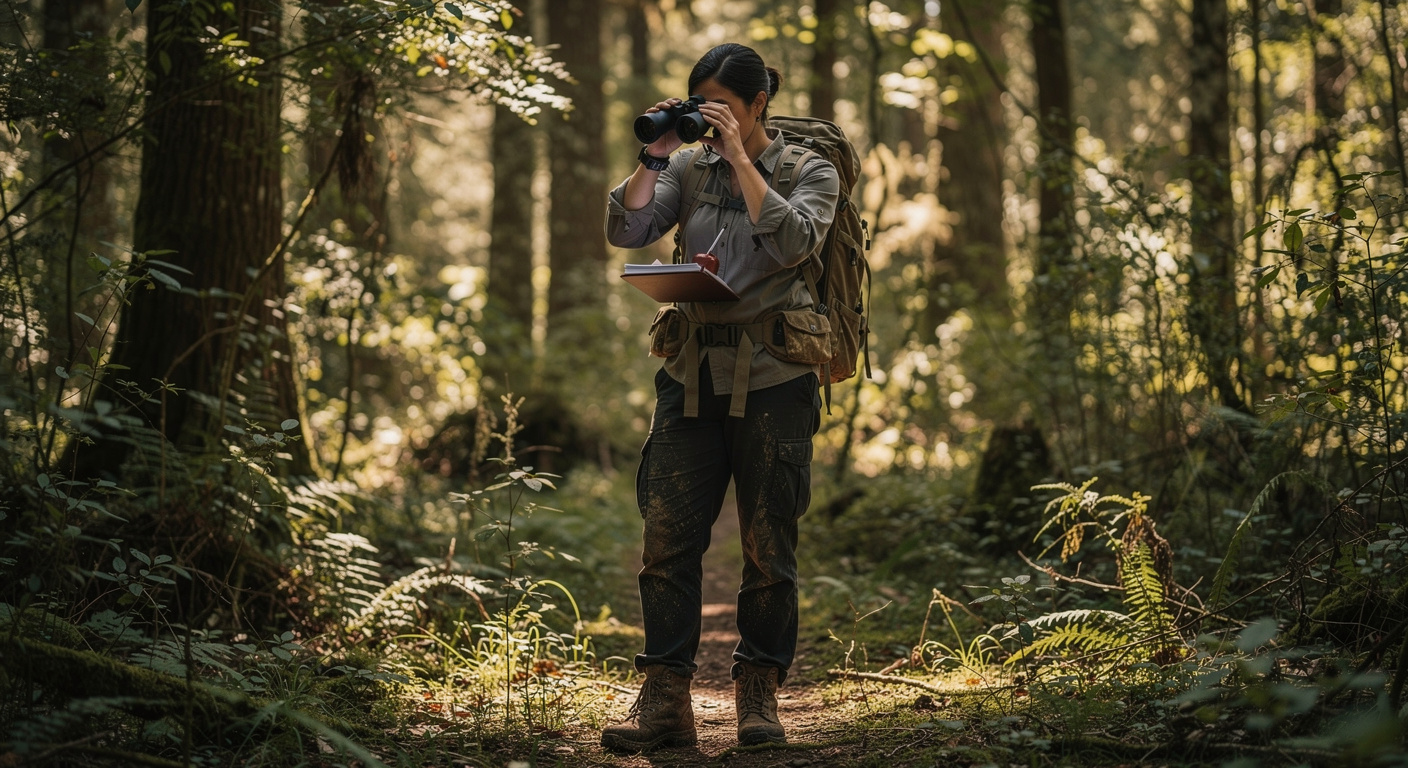
A persistent misconception suggests that wild animals systematically perceive humans as a uniform source of terror. However, the reality observed in the field is much more nuanced. When they encounter hunters or fishermen, animals do indeed become more vigilant and spend less time feeding. Conversely, many of them show little or inconsistent changes in behavior in the presence of tourists, researchers, or near roads.

This behavioral contrast challenges the notion that humans are a singular and terrifying predator in the eyes of wildlife. Instead, observations demonstrate a remarkable capacity for adaptation: wildlife adjusts its level of fear based on the actual risk of being killed. This distinction is fundamental to understanding human-animal interactions in shared environments.

These variations reveal that fear does not follow humans everywhere in the same way. It therefore becomes necessary to understand why certain encounters leave a lasting mark on animal behavior, while others are barely registered by the species involved.

Thirty Years of Field Observations

An analysis of three decades of field observations reveals a clear pattern: time spent foraging decreases, and vigilance increases dramatically in areas where hunting and fishing pose a concrete threat. Shawn D’Souza, a doctoral student at the Indian Institute of Science (IISc), conducted this research by distinguishing lethal encounters from routine human contacts.

Shawn D’Souza’s findings indicate that the most pronounced behavioral changes are closely linked to the risk of being killed. When this risk diminishes, the pattern relaxes significantly. Many species then exhibit only slight or inconsistent changes in their feeding or movement patterns.

This direct correlation between behavior and lethal risk highlights the adaptive intelligence of wild species. They do not react to mere human presence, but rather to the intent and threat that this presence conveys in a given context.

Humans, the Super-Predator

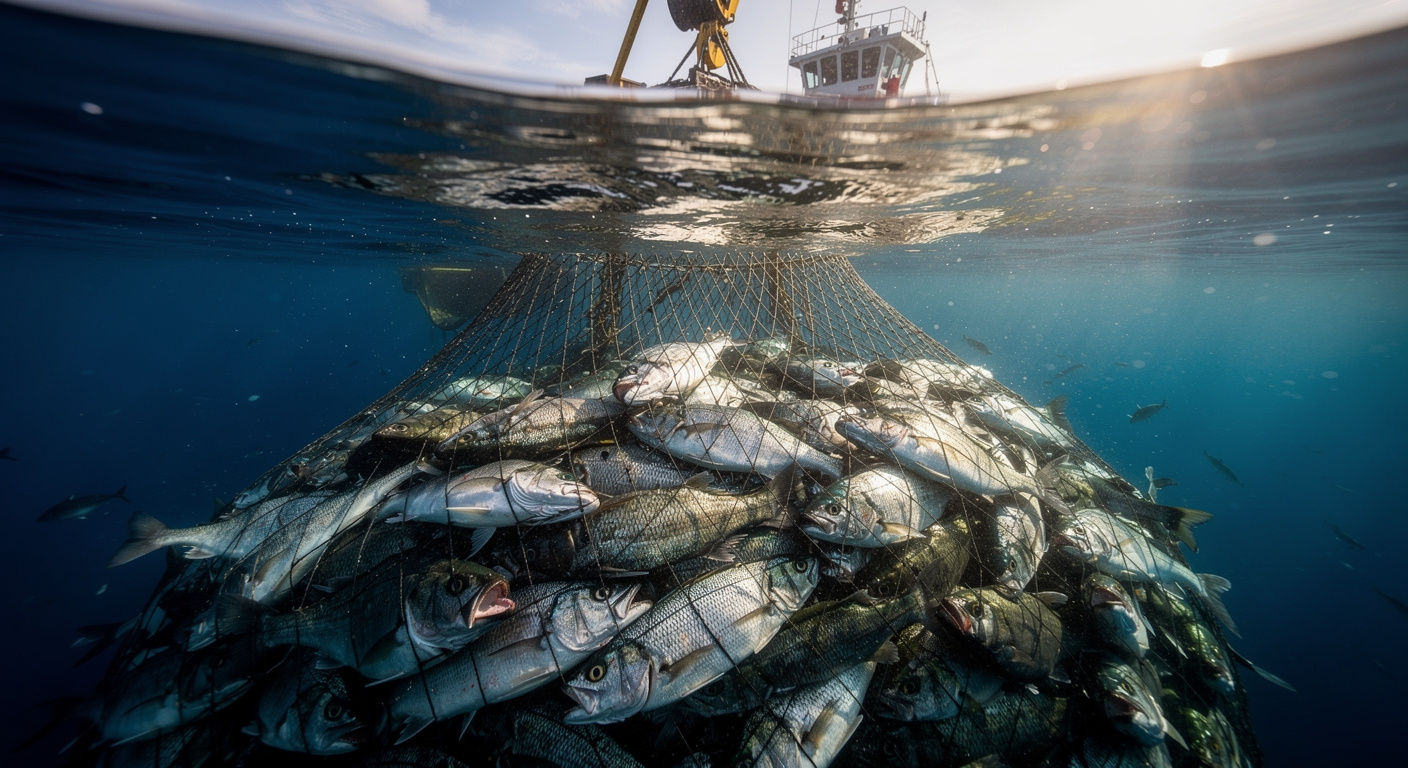
Few animals kill as efficiently as humans. This is why ecologists refer to humans as “superpredators”—hunters who kill at unusually high rates. A 2015 study compared 2,125 kill rates and revealed a striking statistic: fishing eliminates adults up to 14 times faster than other forms of predation.

The death of adults hits animal populations particularly hard, as these individuals form the backbone of reproduction. Their disappearance can wipe out an entire season of future offspring for many species. It is this demographic dynamic that makes humanity’s impact on biodiversity so critical.

This violent history makes it easy to assume that every hiker is perceived as a hunter by wildlife. However, new evidence from the study shows the opposite, prompting us to reconsider our impact beyond mere mortality.

Decoding Fear Signals

Instead of treating humans as a single threat, the IISc team categorized human encounters based on what animals actually experience in the field on a daily basis. The researchers combined the results of numerous separate studies to test whether killing, close approach, or the mere presence of infrastructure produced the same fear signals across multiple species.

Distinguishing between active and passive encounters helped avoid a common mistake: assuming that a road and a hiker convey the same message of danger. This methodological distinction is crucial for a nuanced analysis of ecosystems.

A management policy based on a single fear response can backfire, driving wildlife away from a safe habitat and toward new conflicts. It is therefore imperative to understand the nuances of these interactions to effectively protect species.

Tourism and Roads: Paradoxical Refuges
On popular trails and beaches, animals often encounter people who watch them, photograph them, or work nearby—without intending to harm them. Repeated, harmless exposure can lead to habituation—that is, becoming accustomed to repeated disturbances without actual harm—which reduces the urge to flee.

However, in other contexts, the same crowds still disrupt feeding or movement, especially when noise levels and distances vary from day to day. Tourism can quickly become risky as poaching increases; therefore, managers cannot assume that calm animals are truly safe.

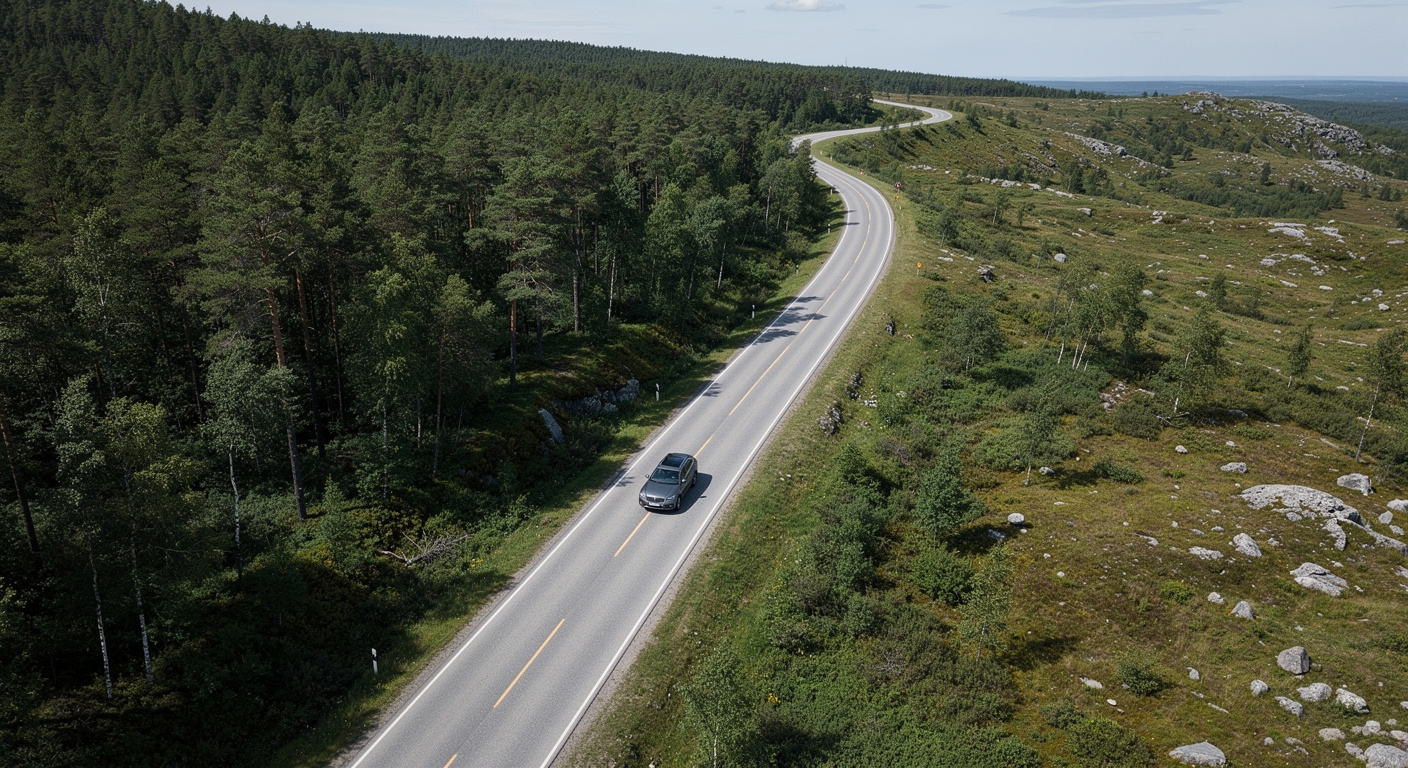
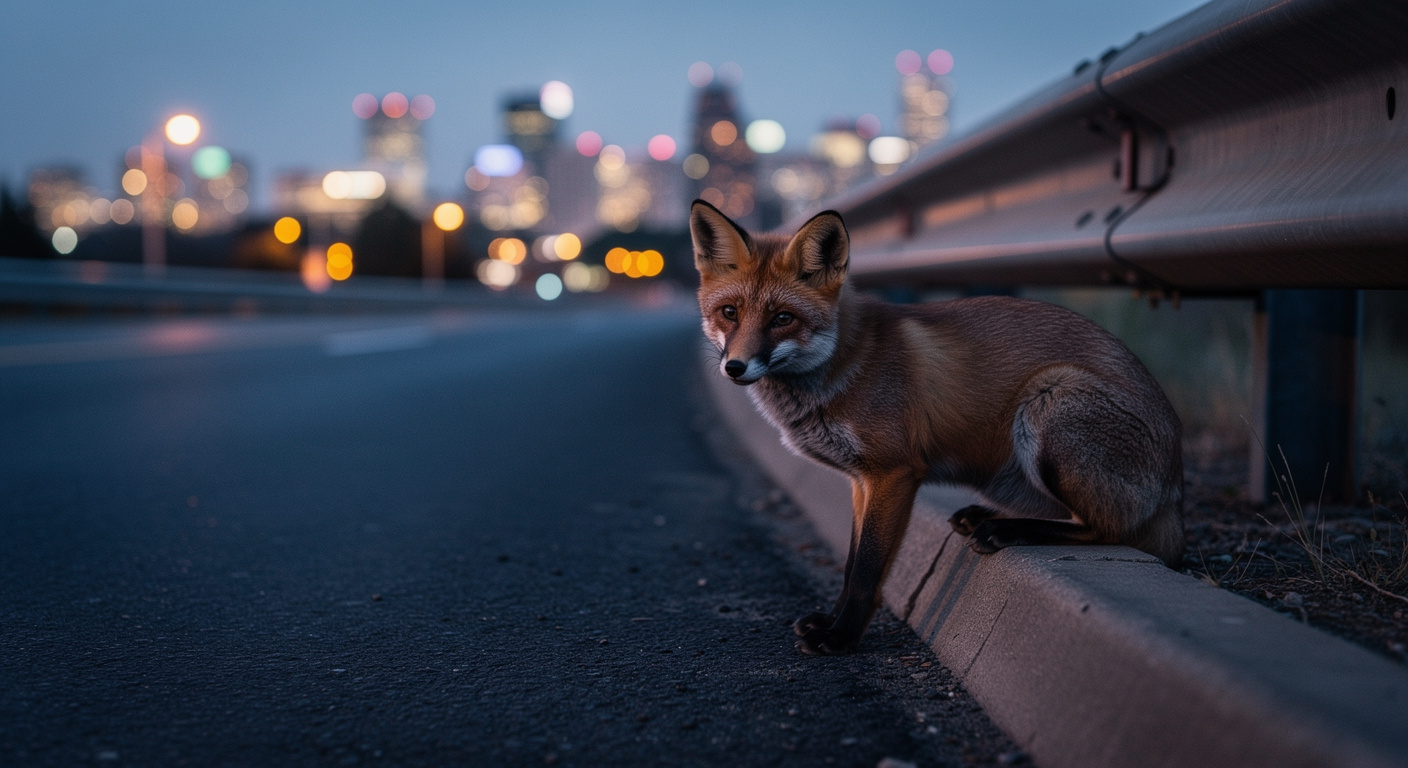
Near highways and populated areas, some prey species relax, even though these places seem to us to be human-dominated and noisy. Predators often avoid people, so some prey species treat roads and populated areas as cover that reduces the likelihood of an attack.

Shawn D’Souza, the study’s lead author, explains this phenomenon: “In some cases, these areas can function as perceived refuges.” However, fast-moving traffic can still kill wildlife, so these quieter areas may come with a different kind of danger.

The Biological Cost of Vigilance

Monitoring for threats takes time away from feeding, and moving away from trouble burns energy that could be devoted to young. Biologists call this vigilance: watching and listening for danger instead of feeding. They tracked this behavior alongside the animals’ movements.

In a field experiment conducted in California, recorded human voices caused pumas to abandon their prey and reduce their feeding time by more than half. This example concretely illustrates the immediate impact of auditory stress on large carnivores.

Such costs can affect reproduction and survival. Thus, small behavioral adjustments can sometimes have major consequences for the entire population, altering the demographic balance of a species.

Managing Fear: A Matter of Risk Allocation
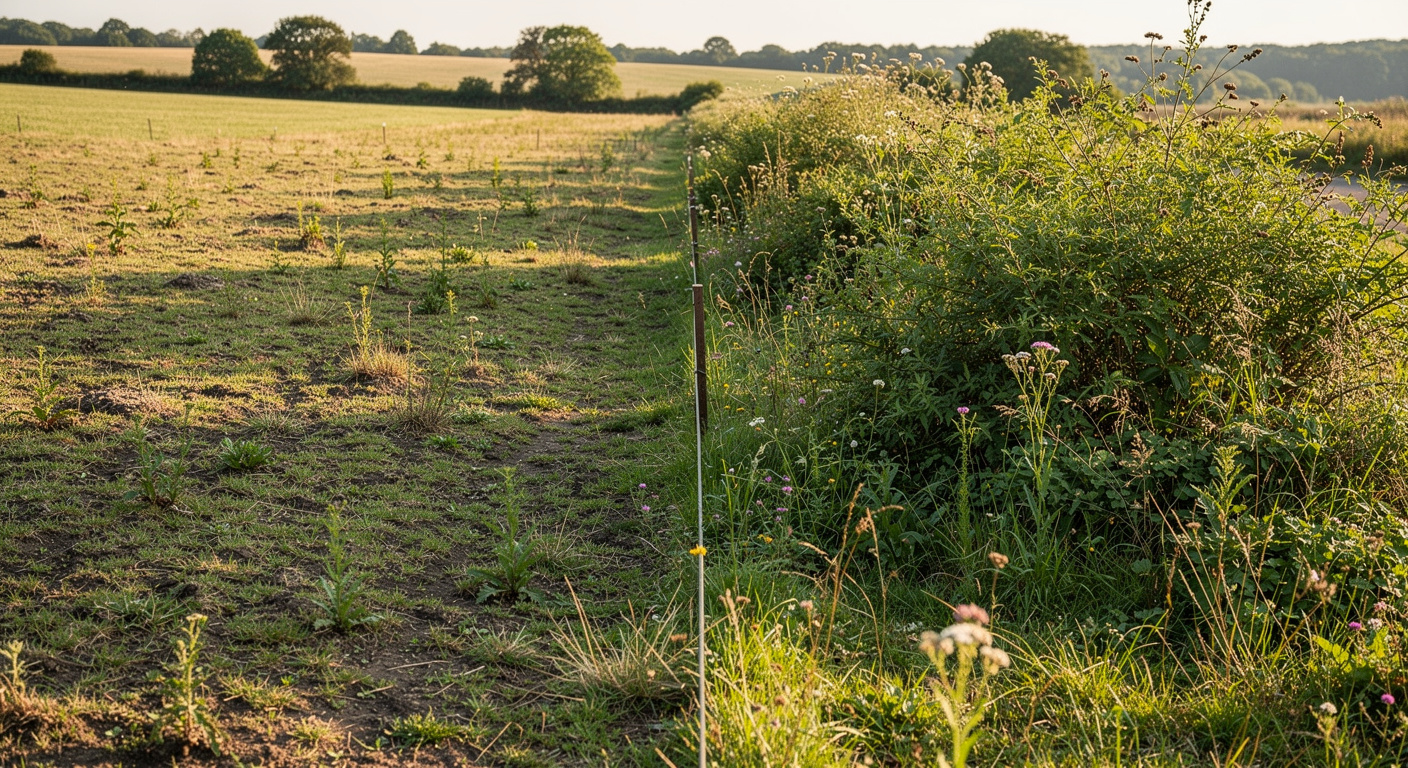
As early as 1999, ecologists proposed that animals ration their caution over time, rather than remaining equally fearful every day. The risk allocation hypothesis—a behavioral model for situations where danger changes over time—predicts how animals manage their “fear budget.”

Rare and intense threats should trigger a strong response, while a constant risk forces animals to forage anyway to avoid starvation. Applied to human behavior, this logic suggests that predictability may matter as much as intent when animals decide to let their guard down.

When animals change where they eat or travel, plants and other animals feel the effects shortly thereafter. More intensive grazing in one area can strip young plants before they mature, while reduced grazing elsewhere allows shrubs to thicken and alter the habitat structure. These ripple effects make human behavior an integral part of ecosystem management, even when no one intends to directly harm wildlife.

Toward More Targeted Ecosystem Management

Even with decades of published research, many species have appeared in studies only once, and researchers have rarely recorded past exposure to humans. These uneven data make it difficult to predict which animals learn quickly and which carry deeper changes across generations.

Future studies at IISc and elsewhere will need to rely on longer time frames and direct tests comparing landscapes with different hunting pressures and predator communities. In the meantime, planners should treat fear as context-specific, rather than as a fixed response that follows humans everywhere in nature.

Clearer categories for human activity could help park managers distinguish between areas where animals learn to remain wary and areas where they relax in ways that increase other risks. Improving predictions will require long-term monitoring, but the findings already suggest the need for more targeted management strategies rather than blanket avoidance. The full study is published in the journal Ecology Letters.

Source: earth.com

The Mistake We All Make About Wild Animals’ Fear of Humans

facebook icon twitter icon linkedin icon
Copied!

Commentaires

0 0 votes
Article Rating
Subscribe
Notify of
guest
0 Comments
Newest
Oldest Most Voted
Inline Feedbacks
View all comments
More Content