Skip to content

The Unexpected Arrival of the Arachnid in an Urban Environment

Long associated exclusively with hiking in the woods, ticks are now expanding their range to settle in new environments, including right in the heart of cities. Parks, backyards, and urban trails are now among the areas directly affected by the presence of this eight-legged species.

The black-legged tick is steadily gaining ground across Quebec. The city of Montreal is now among the geographic areas being closely monitored by public health authorities, confirming that the parasite is establishing a lasting presence.

The most recent data reveal that 161 cases of Lyme disease were reported in Montreal during 2025. This unprecedented figure represents a historic high since the condition was added to the official list of reportable diseases.

Geographic distribution of reported cases

However, these record-breaking statistics require some important analytical caveats. Not all of these infections were contracted directly within the Montreal metropolitan area.

Dr. Catherine Bouchard, a veterinary epidemiologist with the Public Health Agency of Canada, provides essential details on this geographic distribution. A significant proportion of the infections recorded in Montreal were actually acquired in other parts of the province while traveling.

She explains the current situation: “Of the 161 reported cases, approximately 56 are believed to have been acquired in the Montreal area itself. The others are believed to be linked to travel or stays in more heavily affected regions such as the Estrie or the Montérégie.” However, the overall upward trend in cases remains a very real reality on the ground.

The Influence of Climate and Transmission Vectors

Unsurprisingly to the scientific community, global warming plays a major role in this northward expansion. “High-risk areas are continuing to expand and will continue to do so,” Dr. Catherine Bouchard states unequivocally.

Milder winters greatly favor tick survival and extend their annual active period. These parasites can now remain active for a very long period, spanning from March to December, as long as temperatures range between 4 and 10 °C.

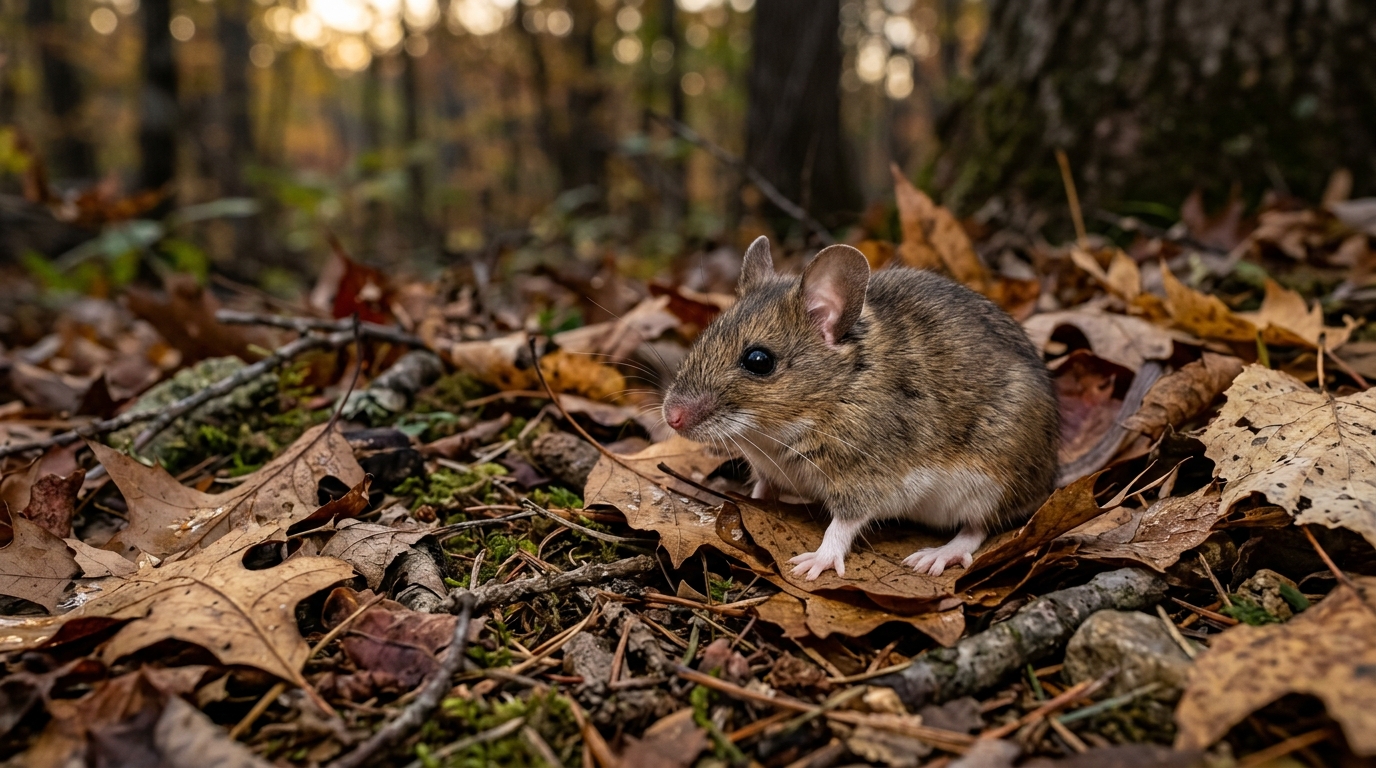
Ticks do not travel long distances on their own. Migratory birds, as well as certain small mammals such as the white-footed mouse, actively contribute to their transport to new northern regions. As a result, ticks are able to find hosts more easily and over a longer period throughout the year.

Assessment of at-risk vegetated areas

The level of risk exposure varies depending on the environment. The Estrie and Montérégie regions remain the most affected areas, with a significantly higher density of infected ticks than that found in a Montreal urban park.

Nevertheless, a new reality is becoming part of everyday life for city dwellers. Public health experts emphasize that we must definitively abandon the idea that these arachnids live exclusively deep in the woods. Even in the heart of urban areas, the presence of certain vegetated zones poses a real risk of exposure.

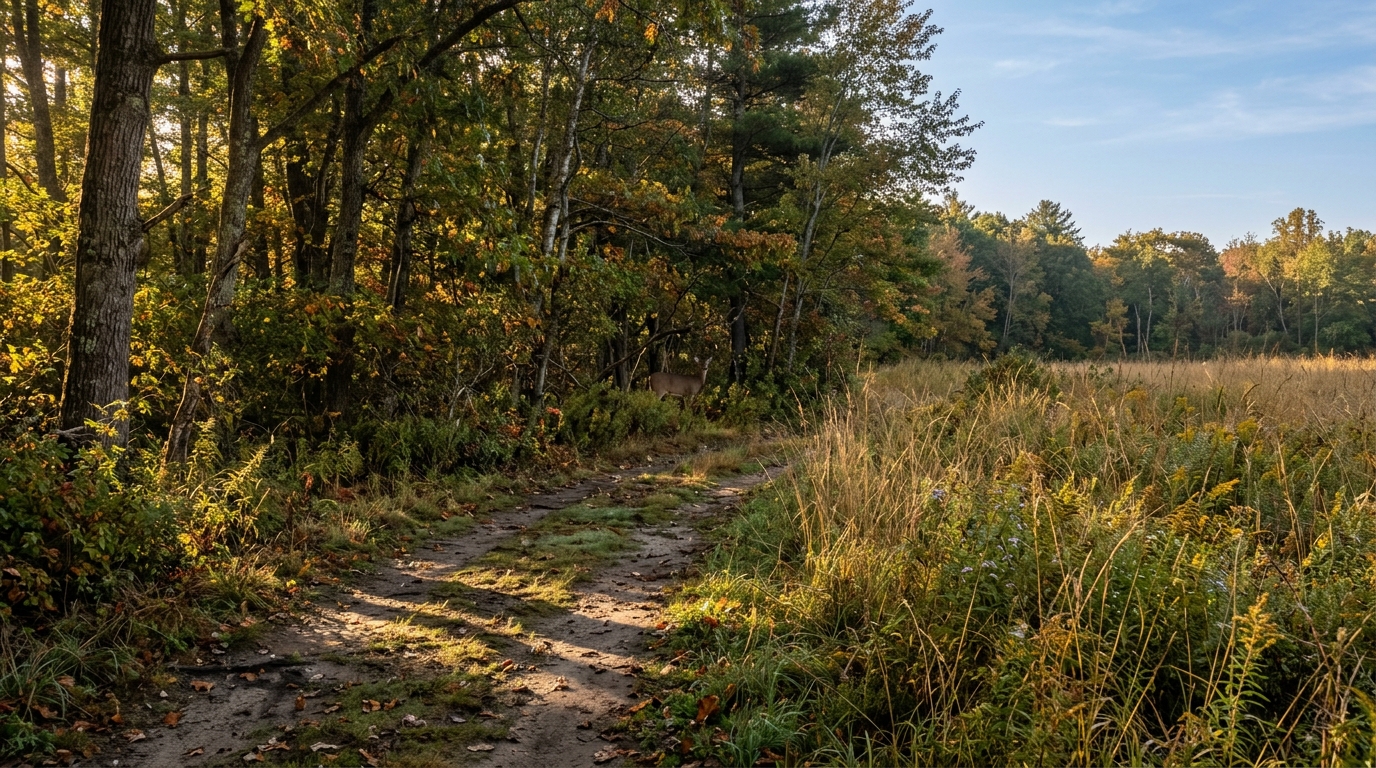
Specific locations requiring increased vigilance include tall grass, wooded edges, and unpaved trails. Areas frequently visited by deer or various small mammals are particularly conducive to the development and presence of these parasites.

Prevention Strategies for the Body and Clothing

The goal of medical guidelines is by no means to create a climate of fear or to generate a form of “tick anxiety” among the public. The arrival of warm weather naturally encourages people to play outside and enjoy the great outdoors—a practice so beneficial to overall health that it is strongly recommended to continue it throughout the season.

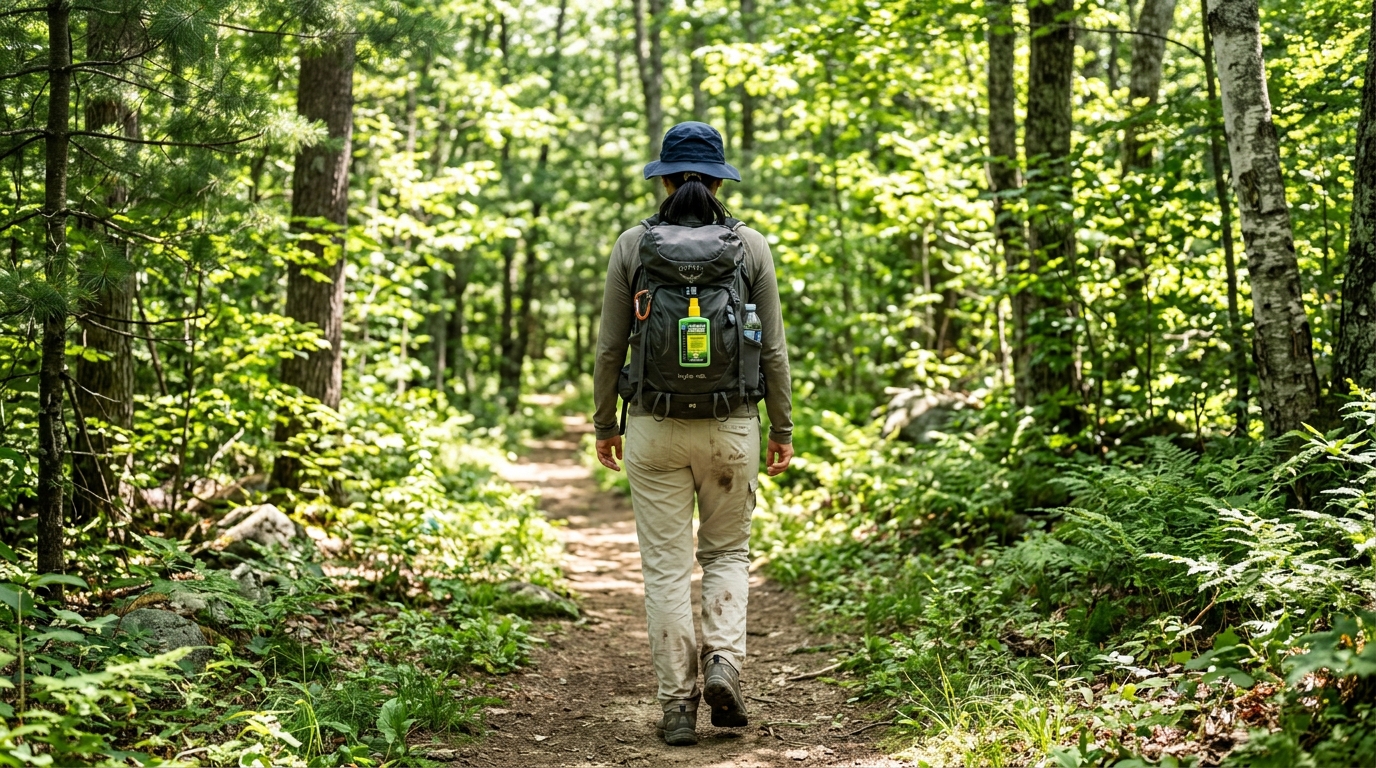
The advice is simply to adopt a systematic prevention routine upon returning from trips to the forest or an intensive gardening session. Best practices include wearing long sleeves and pants, conscientiously using a registered insect repellent containing icaridin, staying in the center of trails, and carefully checking your body after every outdoor activity.

Pets can carry these parasites into the home. Preventive treatments are available for them, but these formulations are not currently approved for human use. Among emerging solutions, the use of clothing treated with permethrin—already used by forestry workers and SEPAQ employees—significantly reduces the risk of ticks attaching to the skin.

The insect’s biology and the body inspection protocol

One particularly interesting scientific detail is worth noting: the precise terminology describes the parasite’s action as a “puncture” rather than a bite. The insect uses a complex mouthpart—directly comparable to a harpoon—to effectively penetrate its host’s skin barrier.

When returning from outdoor activities, it is essential to take a few minutes to conduct a visual and tactile inspection. The areas of the body that require priority checking are the legs, the backs of the knees, the armpits, the groin, the scalp, and the area just behind the ears.

If a tick is found during this thorough examination, it should be removed quickly using fine-tipped tweezers or a specialized tick removal tool. You should then be sure to disinfect the affected area and monitor for any symptoms that may appear in the following days. Since these arachnids are becoming a permanent fixture in our environment, prevention is now an essential part of enjoying a great summer outdoors.

Source: meteomedia.com

The Spread of Ticks in Montreal: Understanding This New Urban Reality and Adopting the Right Habits

This content was created with the help of AI.

facebook icon twitter icon linkedin icon
Copied!

Commentaires

0 0 votes
Article Rating
Subscribe
Notify of
guest
0 Comments
Newest
Oldest Most Voted
Inline Feedbacks
View all comments
More Content