

More Than Just Entertainment

Whether it’s to study our behavior, test new technologies, or train artificial intelligence, video games have left the living room and entered the lab. Does that sound far-fetched? Not really. After all, science and gaming are based on the same fundamental principle: trial and error. We try, we fail, we try again until we understand. That’s what we call experimentation.
A training ground for humans and machines
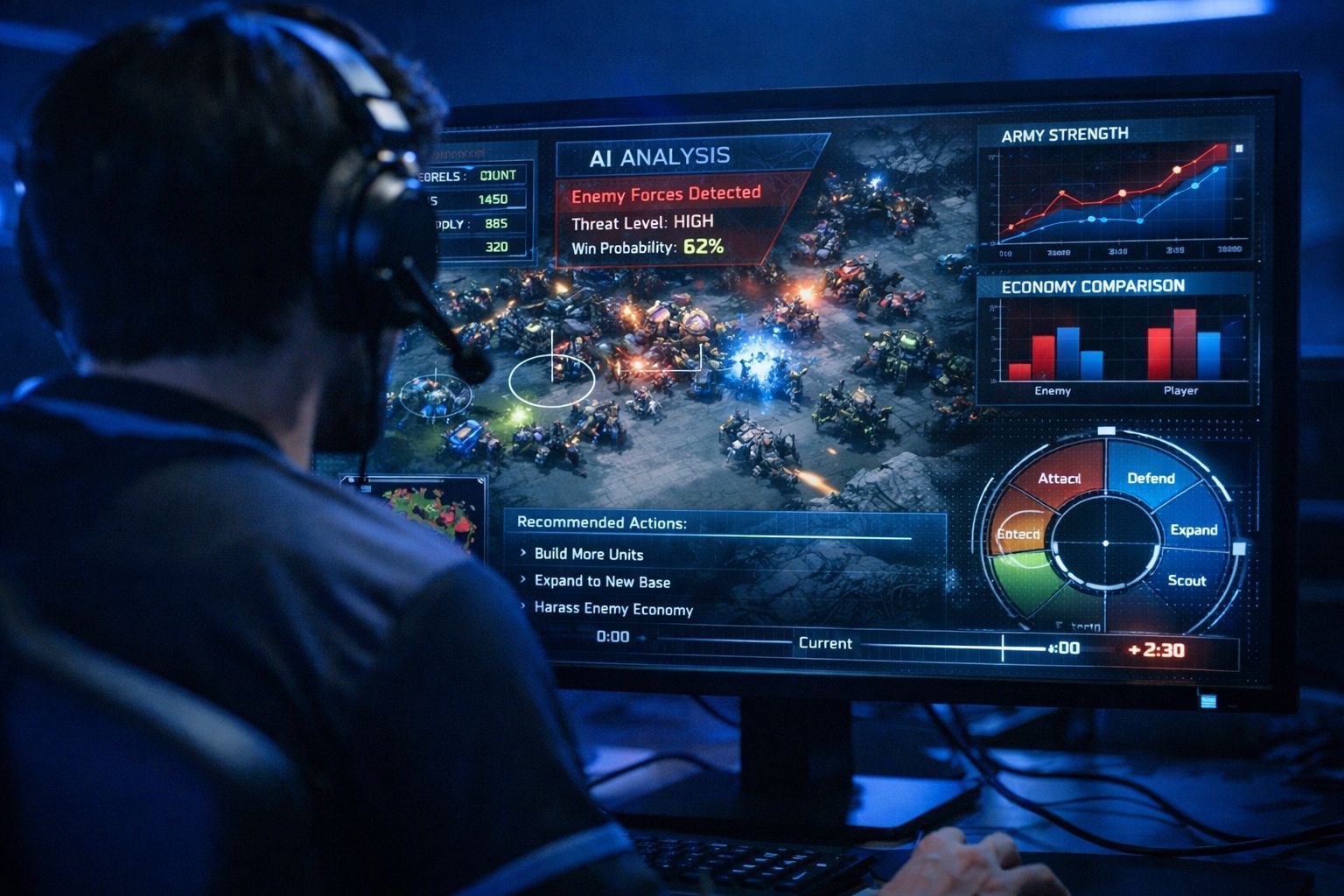
In practical terms, how does it work? First, there’s learning by doing. It’s well known that we retain information better by doing than by passively listening. Video games, thanks to their interactivity, are powerful educational tools. Take the famous FIFA series: it introduces players to the intricacies of soccer. Other more fast-paced titles, such as the strategy game Call of Duty Warzone, challenge and hone players’ precision, skill, and ability to anticipate.
But that’s not all. Video games push technology to its limits. They’re a tremendous driving force behind computer graphics—remember the French pioneer Alone in the Dark and its revolutionary 3D graphics as early as 1992. Today, the challenge lies in artificial intelligence (AI). For an AI, beating a human is a monumental puzzle. Just imagine: the best pro players can perform up to 300 actions per minute!
When Players Become Research Assistants
This is where it gets fascinating: sometimes, it’s the collective intelligence of players that breaks the deadlock. Have you heard of Foldit? This game challenges players to solve protein-folding puzzles. Where computers had hit a wall, players succeeded in 2011 in modeling the structure of the M-PMV enzyme. More recently, this platform was even mobilized in the fight against COVID-19.
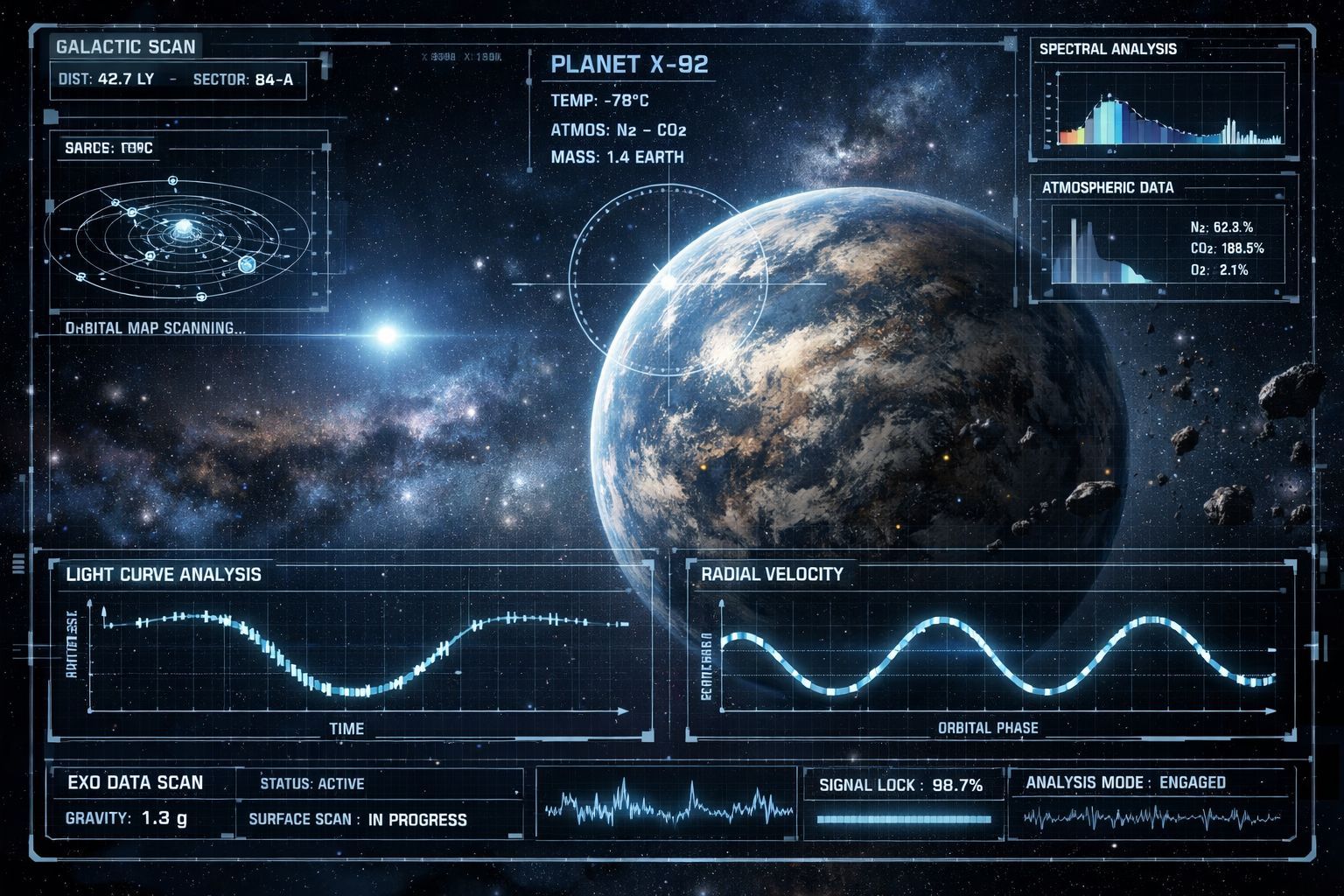
Even space is no exception to this phenomenon. In 2017, the publisher CCP Games launched a somewhat crazy project within its massively multiplayer online game EVE Online. In partnership with the universities of Reykjavik and Geneva, as well as astronomer Michel Mayor (who discovered the first exoplanet, 51 Pegasi b, in 1995), they integrated a scientific minigame: “Project Discovery.”
Their mission? To analyze data from the CoRoT space telescope, launched by CNES in 2006. Players had to spot anomalies in the light curves—potential signs of exoplanets. These thousands of human eyes helped lay the groundwork for researchers at the University of Geneva. So, the next time you pick up your controller, keep in mind that you might be contributing, in your own small way, to the next major scientific discovery.
What if your game controller turned you into a researcher without you even realizing it?
This content was created with the help of AI.


