Skip to content

The Reflection in the Mirror as I Approach My 50s
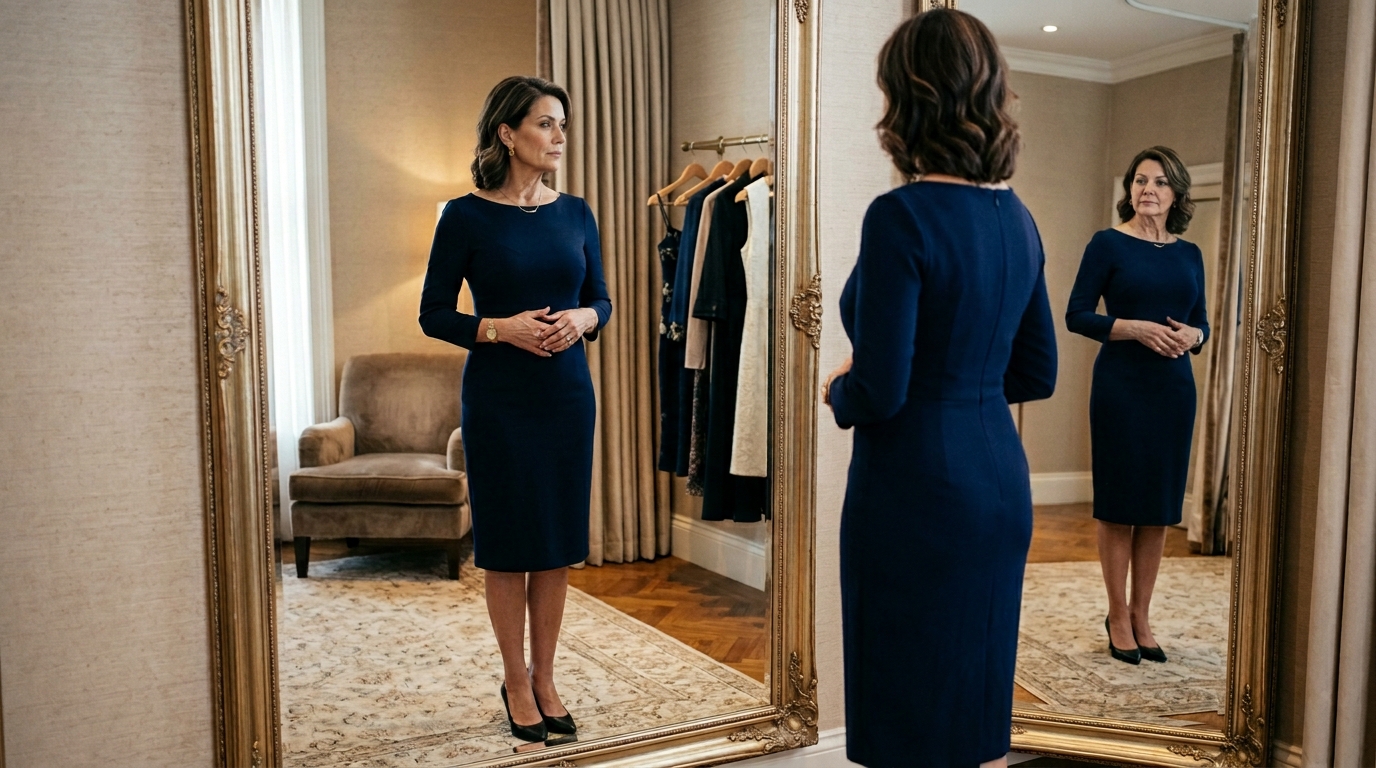
In a recent episode of the TV series And Just Like That…, the character Charlotte York illustrates a familiar situation. Inside a fitting room, standing in front of the mirror, she smooths out her stomach with a broad grimace on her face before uttering this revealing line: “I just need to lose some belly fat.”

This moment of truth—perceived as painful—summarizes the daily reality of millions of women approaching their fifties. They watch their bellies round out without understanding why their usual efforts remain in vain, raising the question of whether this physical change is truly just a matter of calories.

Hormonal Mechanisms and Fat Redistribution

Science now shows that menopause is not the sole cause of overall weight gain. The real shift lies in how the body redistributes body fat. Somi Javaid, an obstetrician-gynecologist and founder of HerMD Health, spoke on this topic in an interview with Vogue magazine.

The specialist explains the biological process at work during this stage of life. She notes that “decreased estrogen levels lead to an increase in total body fat, fat deposition around the abdominal region, and an increase in waist circumference.”

Prior to this stage, estrogen promoted fat storage around the hips. When estrogen levels drop, fat inevitably shifts toward the abdomen. At the same time, muscle mass decreases, making way for more adipose tissue. This dual effect sets in gradually, often beginning as early as the perimenopausal phase. The number on the scale may not necessarily change, while the body shape undergoes a radical transformation.

The first culprit: sleep deprivation

One of the habits that exacerbates this belly fat gain involves a key element often overlooked in health routines: sleep. Jennifer Garrison, co-founder of Femistry and director of the Global Consortium for Reproductive Longevity & Equality, highlights the direct impact of a lack of nighttime rest on the body.

Sleep deprivation affects the endocrine system by increasing ghrelin, the hormone responsible for appetite. At the same time, this lack of sleep reduces the production of leptin, the hormone that promotes feelings of fullness. The immediate consequence is increased food consumption, which occurs completely unconsciously.

Worse still, lack of sleep causes a decrease in insulin sensitivity. This phenomenon causes the body to store more sugar as fat, specifically in the abdominal area. During menopause, when the body is undergoing a major hormonal shift, these imbalances are significantly amplified.

Second habit to correct: dietary imbalances

The content of one’s daily diet is the second habit that plays a decisive role. According to recommendations by Somi Javaid as reported by Vogue, several practical adjustments can help limit fat storage: reducing refined carbohydrates, increasing protein intake, limiting alcohol consumption, and avoiding trans fats.

The gynecologist cites intermittent fasting as an effective approach. This nutritional method helps lower insulin levels, which naturally and significantly curbs fat storage.

Another simple step to take is to rethink your morning beverages. It is strongly recommended to replace your usual coffee with green tea. This beverage is particularly rich in EGCG, a powerful antioxidant scientifically recognized for its ability to boost metabolism.

Adapting Physical Activity and the Crucial Role of Posture

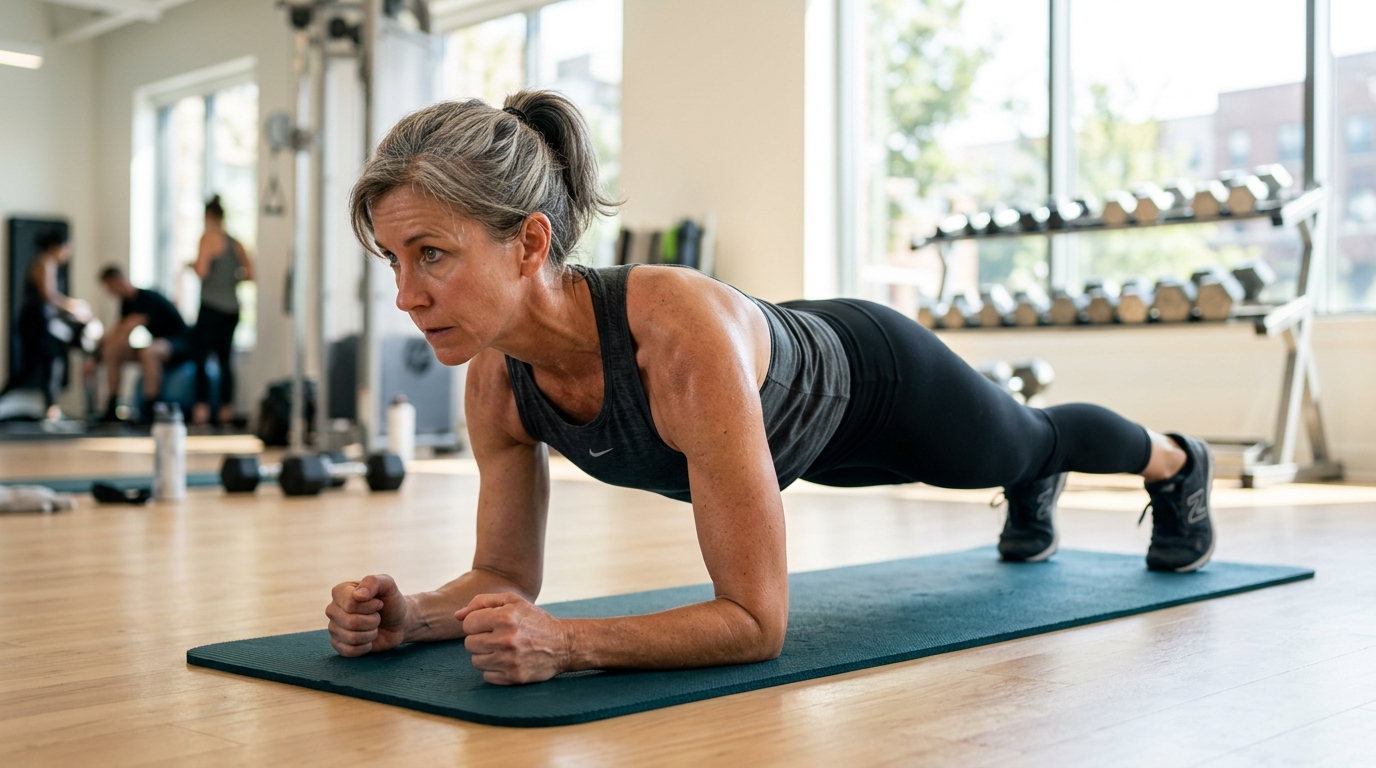
Maintaining physical activity remains an essential pillar of this transition, provided that your training method evolves alongside your body. Taylor J. Langston, a fitness coach specializing in nutrition, strongly recommends incorporating strength training and resistance exercises into your workout routine.

These specific workouts offer multiple benefits: they improve bone density, stabilize hormonal balance, and promote better abdominal tone. Targeted movements such as planks, deadlifts, and back extensions deeply engage the core.

One detail that’s often overlooked is overall posture. Spending too much time sitting shortens the hip flexors. This poor posture pushes the belly forward, visually accentuating the effect commonly known as the “menopausal belly.”

A Natural Process to Accept with Kindness

Beyond the various physical and nutritional efforts undertaken on a daily basis, Vogue magazine highlights a fundamental concept for psychological well-being. Accepting the successive changes in one’s body remains an essential and necessary step during this transitional period.

Menopause is a universal process, a deeply natural part of every woman’s life journey. The final advice offered in the face of these changes is meant to be simple, direct, and gentle: take care of yourself.

Source: aufeminin.com

Why Your Belly Gets Rounded After Age 50: Daily Habits That Change Your Figure

This content was created with the help of AI.

facebook icon twitter icon linkedin icon
Copied!

Commentaires

0 0 votes
Article Rating
Subscribe
Notify of
guest
0 Comments
Newest
Oldest Most Voted
Inline Feedbacks
View all comments
More Content