

The Persistent Myth of a Disease That Affects Only Men

The management of these patients is hampered by a glaring lack of scientific knowledge. This deficit is accompanied by a widespread underestimation of risk, observable among both the general public and certain healthcare professionals. This chain of misunderstandings risks delaying diagnosis and, inevitably, compromising patients’ chances of recovery.
Atypical clinical manifestations amid a lack of data

Nabila Bouatia-Naji, a research director at Inserm and a recognized specialist in cardiovascular disease in women, paints a grim picture of the state of research. According to the scientist, women’s heart health remains an under-explored field. She issues a clear call to action: “We really need to put women’s hearts at the center of our health concerns.”
There is a severe lack of scientific documentation on these specific clinical scenarios. The Inserm researcher explains the situation: “We lack data on these cases in particular.” She adds: “This is truly an area that has been very little studied.” This gap directly impacts medical practice: “This is what we’re missing to better manage and understand women’s cardiovascular health.” The lack of data limits the analysis of biological mechanisms and hinders the development of prevention strategies tailored to women’s specific needs.
The Direct Consequences of Late Medical Diagnosis

At the same time, atypical clinical presentations make it difficult for doctors to quickly identify a heart attack. Nabila Bouatia-Naji summarizes the danger inherent in this situation: “The risk is missing the diagnosis; we think it’s another health issue and not related to cardiovascular risk.”
A comprehensive overview of these conditions and their triggers

The female body has additional factors that directly influence cardiovascular risk. Hormonal changes throughout life, complications arising during pregnancy, and the menopausal period are key factors that must be incorporated into a patient’s medical care.
Rethinking the Preventive Approach Starting at a Young Age

Comparing this to other public health initiatives helps illustrate how far we still have to go. Nabila Bouatia-Naji advocates for equitable treatment in patients’ minds: “We need to recognize that this is just as important as their risk of breast cancer or other gynecological health issues.”
Deeper knowledge of women’s specific health needs holds the promise of overall improvement. Refining our understanding of these mechanisms will help optimize early screening, tailor drug treatments, and ensure that no patient falls through the cracks of the healthcare system.
Frequently Asked Questions: Heart Attack Without Risk Factors
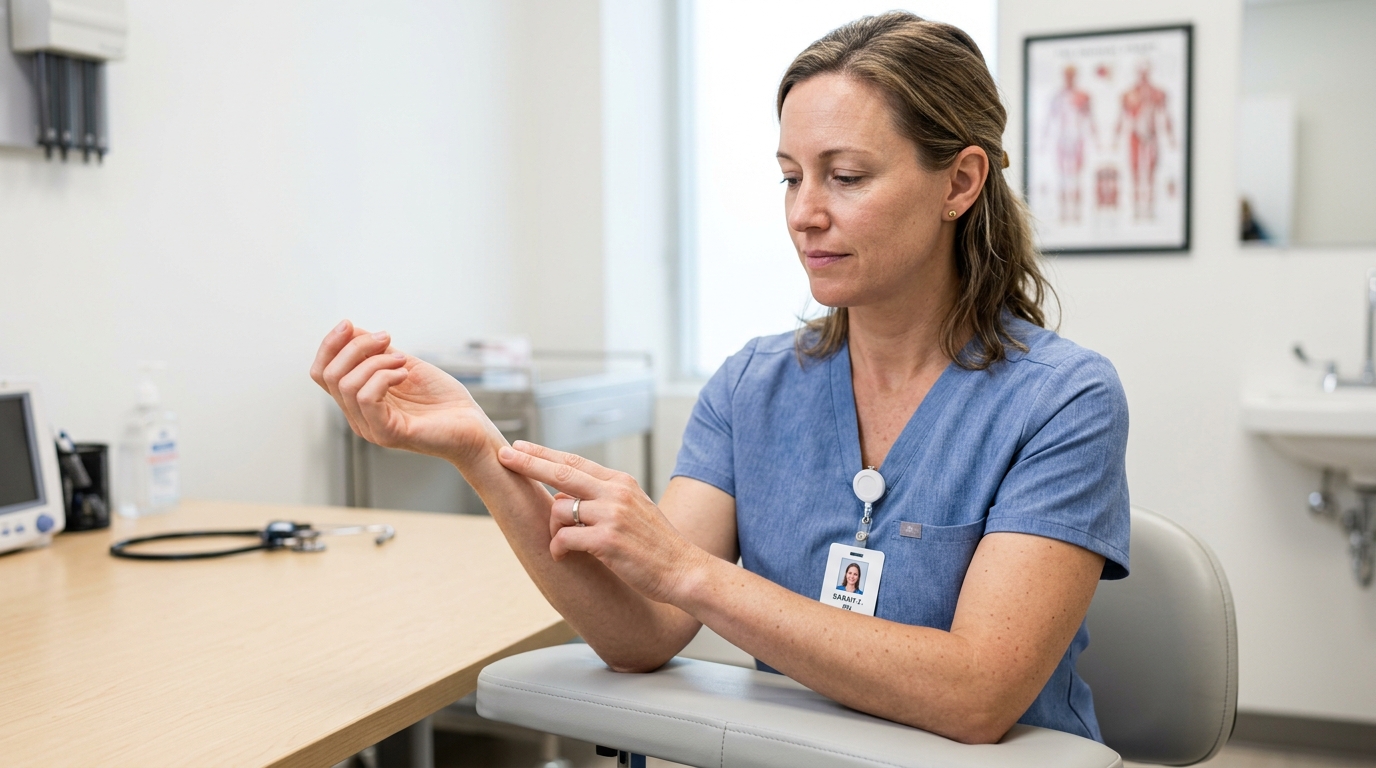
The general public often wonders whether it’s possible for a woman to suffer a heart attack without having any risk factors. The medical answer to this question is yes. Clinical data show that this can indeed occur outside of typical patterns.
Frequently Asked Questions: The Specificity of Female Symptoms

Frequently Asked Questions: Media Coverage of Women’s Health Issues
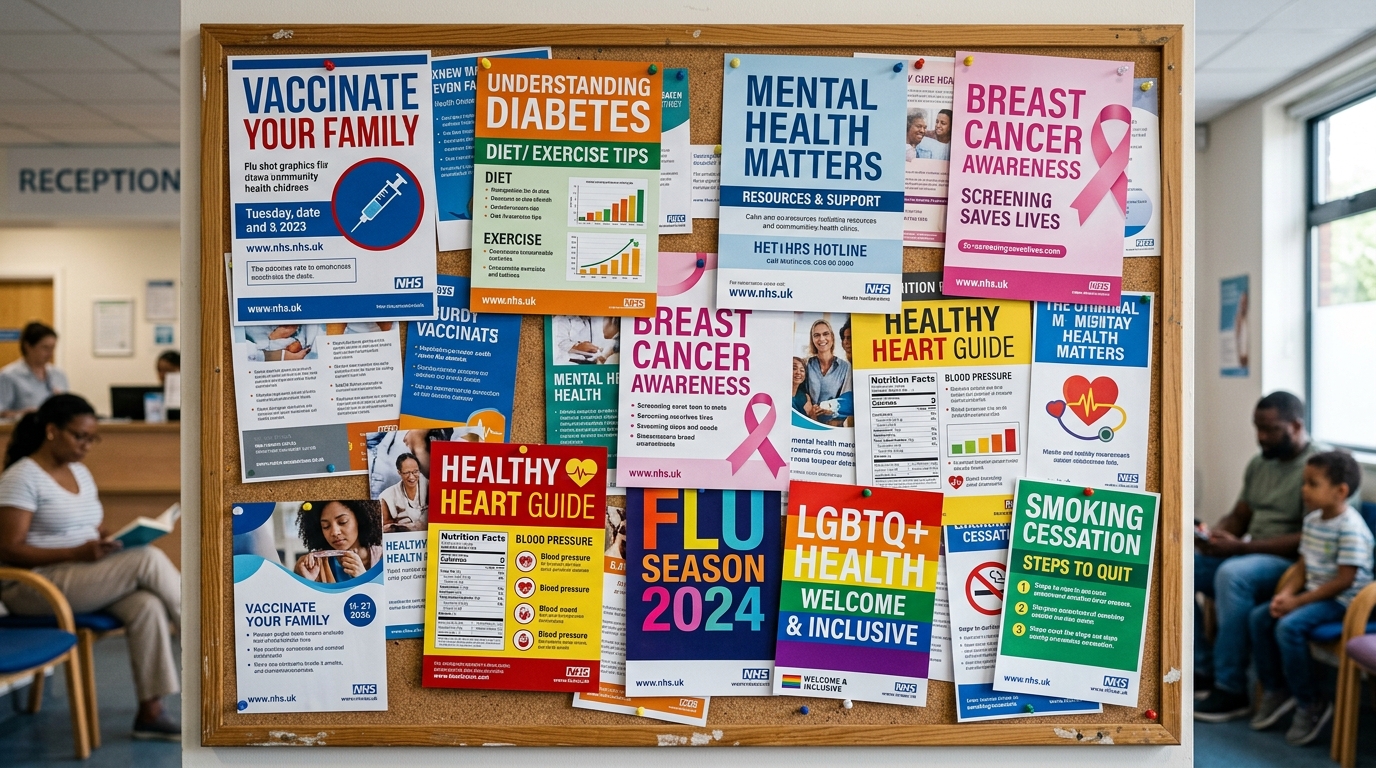
A disparity in attention is often highlighted regarding communication about women’s health. Breast cancer receives exceptional media coverage. Prevention and fundraising campaigns dedicated to it stand out due to massive institutional and public visibility.
Source: passeportsante.net
Women’s Cardiovascular Health: The Risk of a Missed Diagnosis Is Twice as High
This content was created with the help of AI.


