

March 20, 2026: A Day of Action for Workers Behind the Scenes
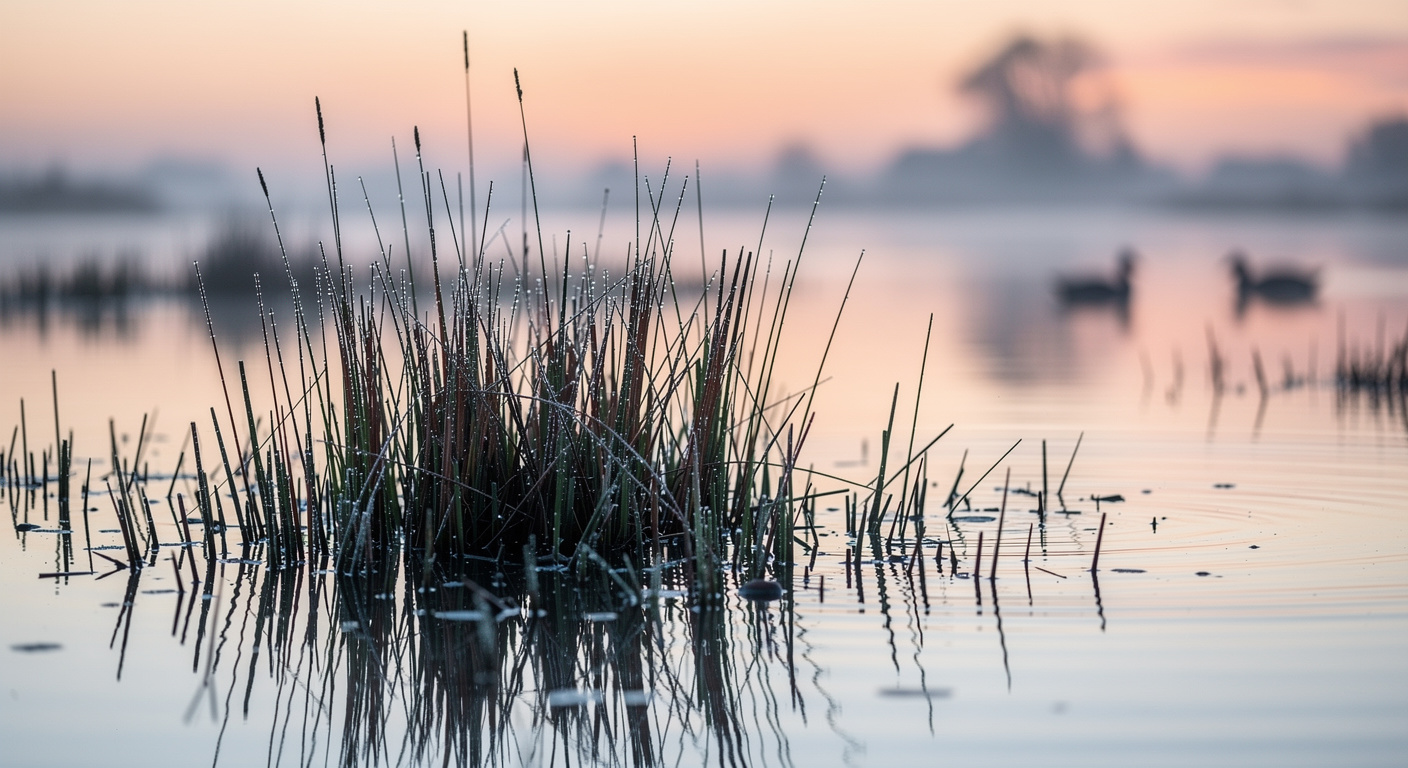
Frogs often go unnoticed in the hustle and bustle of our daily lives. They work behind the scenes without a moment’s pause, all year round, to control pests, recycle nutrients, and maintain the delicate balance of ecosystems across the planet.
An essential link and a living alarm for nature
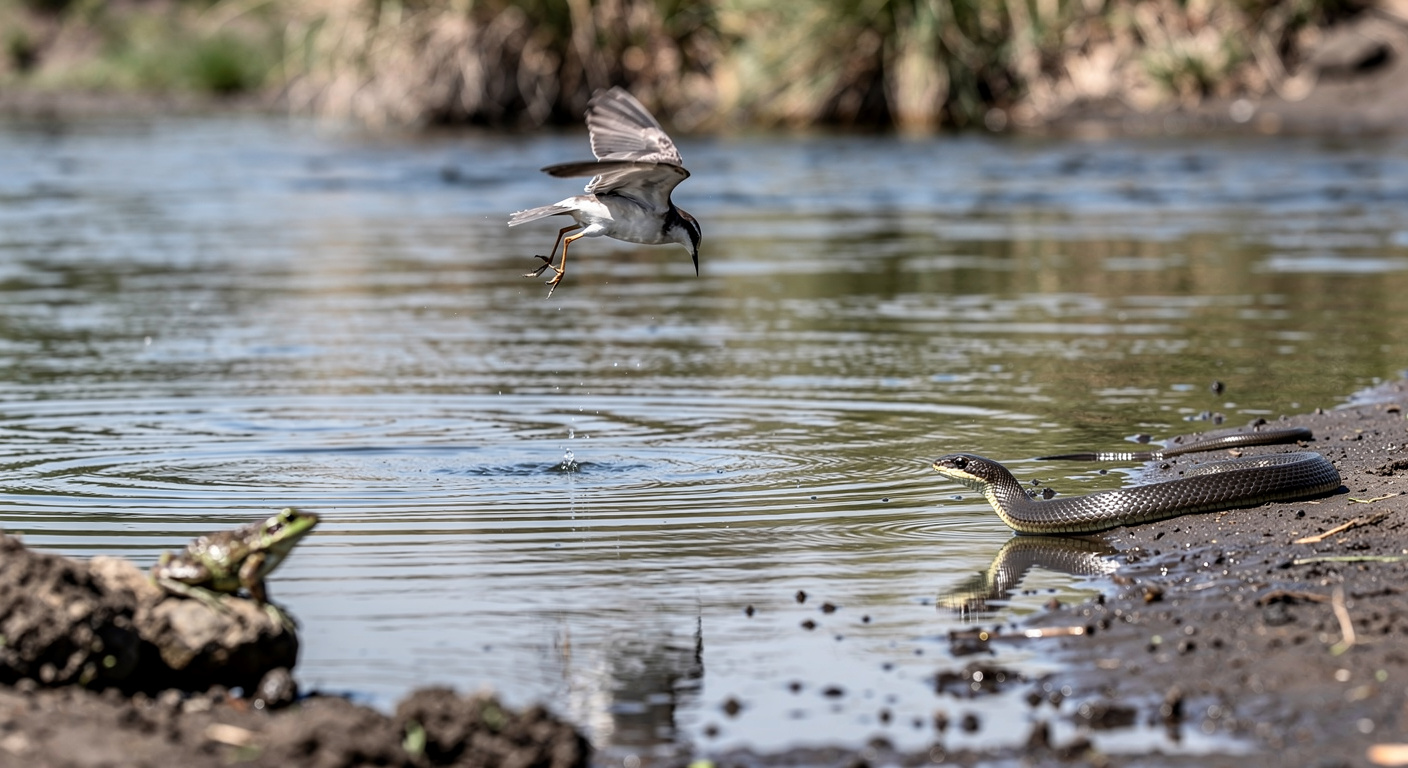
The ecological impact of these seemingly unassuming animals is considerable. They constantly consume insects—a natural process that protects crops and limits the spread of pests. A decrease in the number of insects leads to a direct reduction in diseases transmitted by mosquito bites. At the same time, frogs are a vital food source for many species: birds dive to catch them, snakes actively hunt them, and various mammals depend on them for survival.
Genetic Discoveries and the Dual Meaning of Courtship Songs
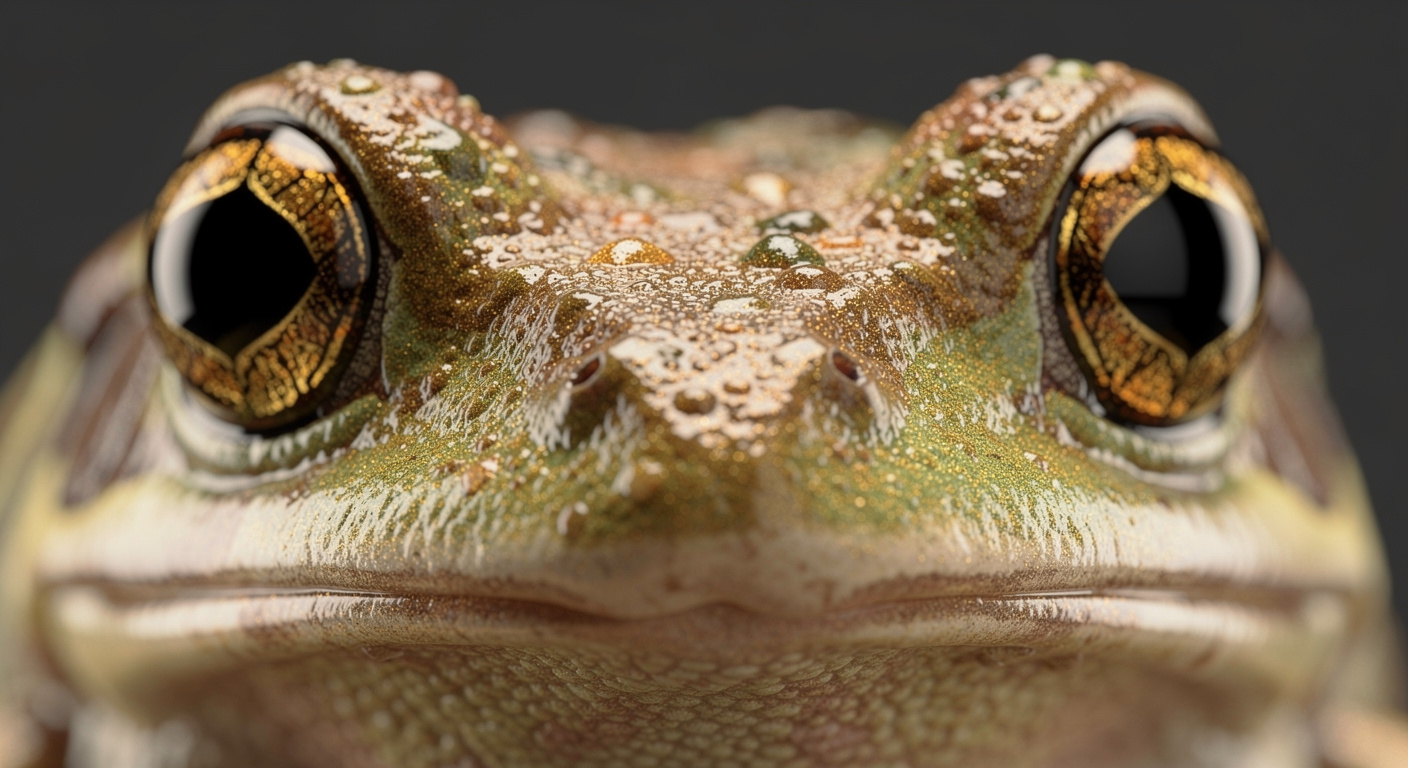
Beneath their simple appearance—defined by smooth skin, large eyes, and the ability to make short jumps—frogs conceal a highly complex biology. Evolution sometimes proves surprisingly efficient by reusing what already exists. Some species exploit a duplicated gene to determine the animal’s sex, thereby avoiding the creation of a new genetic structure.
Sophisticated survival strategies in the face of growing threats
A frog’s life involves evading predators that are ever-present in its habitat. To survive, these amphibians have developed ingenious defense mechanisms. Some species secrete toxic substances through their skin. A predator attempting to eat them quickly learns a painful lesson upon contact with these irritating or harmful toxins, giving the prey a chance to escape.
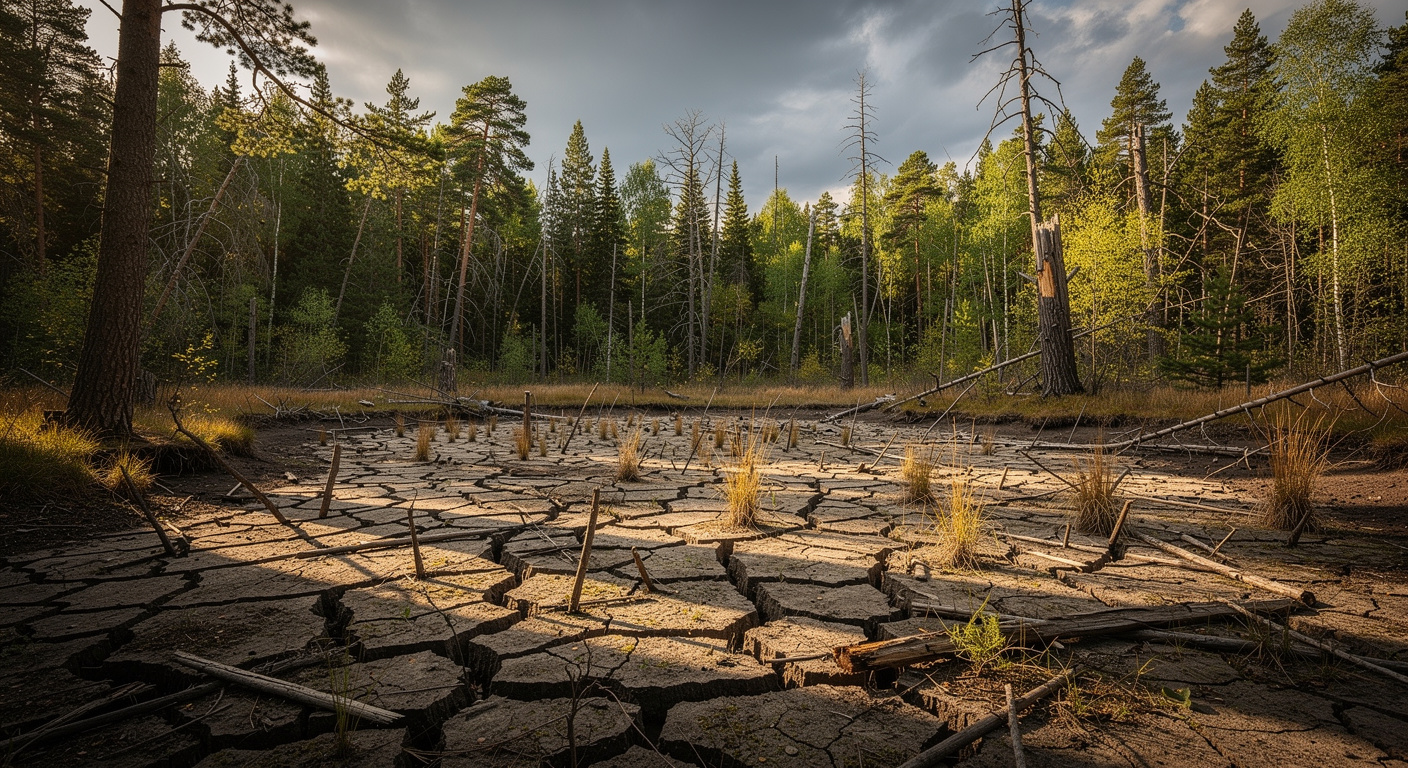
These natural abilities are no longer sufficient in the face of current threats, with habitat loss being the primary danger. Wetlands are disappearing, forests are shrinking, and aquatic systems are undergoing profound changes, depriving amphibians of the spaces essential for their survival and reproduction. Pollution compounds this loss, as chemicals are discharged into rivers and ponds and absorbed through the animals’ skin. Climate change is altering precipitation patterns, raising temperatures, and disrupting reproductive cycles. At the same time, a fungal disease called chytridiomycosis is spreading among populations and decimating frog populations on a massive scale.
Organizational Mobilization and Individual Actions

Frogs belong to the amphibian family, along with salamanders and caecilians—groups many of whose members are at risk of extinction. Protecting frogs helps preserve this entire branch of the animal kingdom. Healthy amphibians are a sign of a healthy environment, and conservation efforts indirectly benefit many other sectors of flora and fauna.
Supporting this cause is within everyone’s reach. Reducing pesticide use helps keep water clean—a vital resource for the survival of amphibians. Creating a small pond in a garden provides a safe space for them to live and lay eggs. Supporting conservation groups ensures the continuity of habitat protection efforts. Sharing accurate information and engaging in discussions raises collective awareness. These initiatives, though seemingly modest, create real momentum to offer frogs better chances of survival.
Source: earth.com
World Frog Day 2026: A Warning About a Silent Decline


